


 Wish list
7 crisis simulation exercises that prepare teams for event emergencies
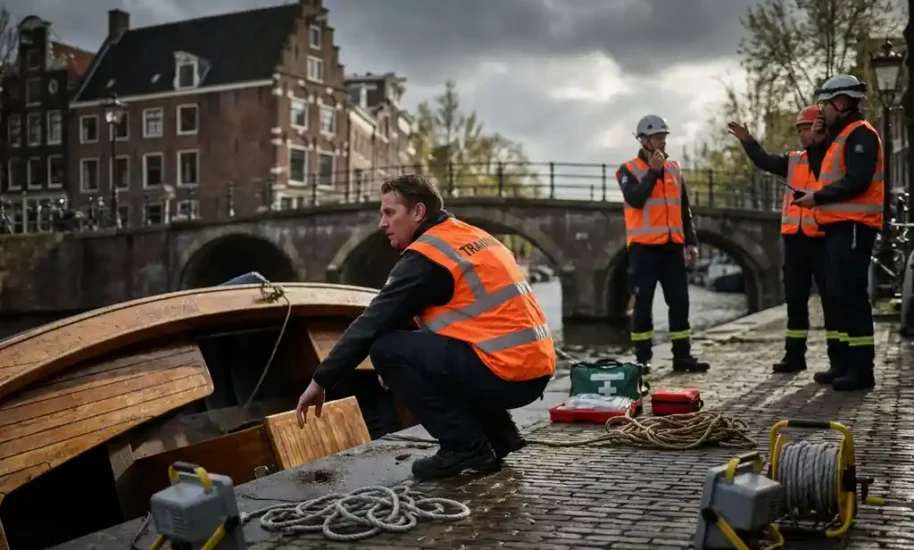
When unexpected situations strike during events, the difference between chaos and a controlled response often comes down to preparation. Crisis simulation exercises provide teams with the practical experience they need to handle real emergencies effectively, building muscle memory and confidence before high-pressure situations occur.
Event organizers face unique challenges when managing crowds, coordinating vendors, and ensuring safety across multiple moving parts. Whether you’re planning corporate gatherings, festivals, or specialized group experiences, having a well-prepared team can transform potential disasters into manageable situations that protect both participants and your organization’s reputation.
Essential Elements of Effective Crisis Simulation Design
Successful crisis simulation exercises start with realistic scenarios that mirror the actual risks your events face. The most effective simulations recreate the pressure, time constraints, and communication challenges that teams encounter during real emergencies, not sanitized versions that feel like academic exercises.
Your simulation design should include clear objectives for what participants need to learn or practice. Whether you’re focusing on evacuation procedures, communication protocols, or resource allocation, each exercise needs specific goals that translate into measurable skills. Include role assignments that match your actual event structure, ensuring key decision-makers practice their real responsibilities under pressure.
Environmental factors play a significant role in simulation effectiveness. Consider running exercises in locations similar to your event venues, incorporating weather conditions, noise levels, and space constraints that teams will actually face. This attention to realistic details helps participants develop responses that work in the real world, not just in controlled training environments.
Tabletop Exercises for Event Decision-Making
Tabletop exercises offer cost-effective ways to practice crisis management without the logistical complexity of full-scale drills. These discussion-based simulations walk teams through emergency scenarios step by step, allowing participants to think through decisions and explore consequences without real-world risks.
Structure your tabletop sessions around specific event phases where problems commonly emerge. Start with pre-event crises like vendor cancellations or weather warnings, then progress through active event emergencies such as medical incidents or security threats. Each scenario should present teams with decision points that require coordination between different roles and departments.
The facilitator’s role becomes important in maintaining realistic pressure and consequences. Inject new information or complications as teams work through their responses, mimicking how real emergencies evolve unpredictably. Document the decisions teams make and their reasoning, creating valuable reference material for future planning and training improvements.
Full-Scale Emergency Response Drills
Full-scale drills provide the most comprehensive training experience by activating all emergency response systems simultaneously. These exercises test not just individual skills but the coordination between teams, communication systems, and external partners like emergency services or venue security.
Plan these intensive drills during slower periods when you can dedicate full attention to the exercise without disrupting actual events. Include all stakeholders who would respond during a real emergency, from front-line staff to senior management. The complexity of coordinating multiple teams makes these drills valuable for identifying communication gaps and procedural weaknesses that smaller exercises might miss.
Safety considerations become paramount during full-scale exercises. Establish clear boundaries between simulation activities and real operations, especially when conducting drills in active venues. Brief all participants on safety protocols specific to the drill, and maintain emergency contacts for actual incidents that might occur during the exercise itself.
Technology-Based Crisis Simulation Tools
Modern simulation platforms offer sophisticated ways to practice emergency response through virtual environments and mobile applications. These tools can simulate complex scenarios with multiple variables, allowing teams to experience crisis situations that would be difficult or dangerous to recreate physically.
Virtual reality systems provide immersive training experiences where participants navigate emergency situations in realistic digital environments. Mobile-based simulation apps enable distributed teams to practice coordination across different locations, particularly valuable for events that span multiple venues or involve remote team members.
Integration capabilities allow technology-based simulations to connect with your actual event management systems, testing how emergency procedures interact with existing workflows. Some platforms include analytics that track decision-making patterns and response times, providing objective data on team performance and areas needing improvement.
Post-Exercise Evaluation and Improvement Strategies
The learning value of crisis simulation exercises emerges primarily during thorough post-exercise analysis. Schedule debriefing sessions immediately after exercises while experiences remain fresh in participants’ minds, focusing on what worked well and what needs adjustment rather than assigning blame for mistakes.
Document specific observations about communication effectiveness, decision-making speed, and coordination between different team roles. Compare actual response times and procedures against your established protocols, identifying gaps between planned responses and what actually occurred under pressure. This analysis often reveals assumptions about capabilities or resources that don’t hold up in practice.
Transform evaluation findings into concrete improvements for both emergency procedures and future training exercises. Update emergency response plans based on lessons learned, and modify training scenarios to address newly identified weaknesses. Regular evaluation cycles ensure your crisis preparedness evolves alongside changes in your events, team composition, and operating environment.
How Incredible Amsterdam helps with Crisis Simulation Exercises
Incredible Amsterdam provides comprehensive crisis simulation training solutions specifically designed for event management teams. Our approach combines realistic scenario development with hands-on practice opportunities that prepare your team for any emergency situation:
• Custom simulation exercises tailored to your specific event types and venues
• Expert facilitation that maintains realistic pressure and learning objectives
• Technology-integrated training platforms for remote and distributed teams
• Detailed post-exercise analysis with actionable improvement recommendations
• Ongoing support to refine emergency procedures based on simulation results
Ready to strengthen your team’s emergency response capabilities? Contact us today to develop a crisis simulation program that ensures your events maintain the highest standards of safety and professionalism.

