


 Wish list
Do and don’ts Amsterdam?
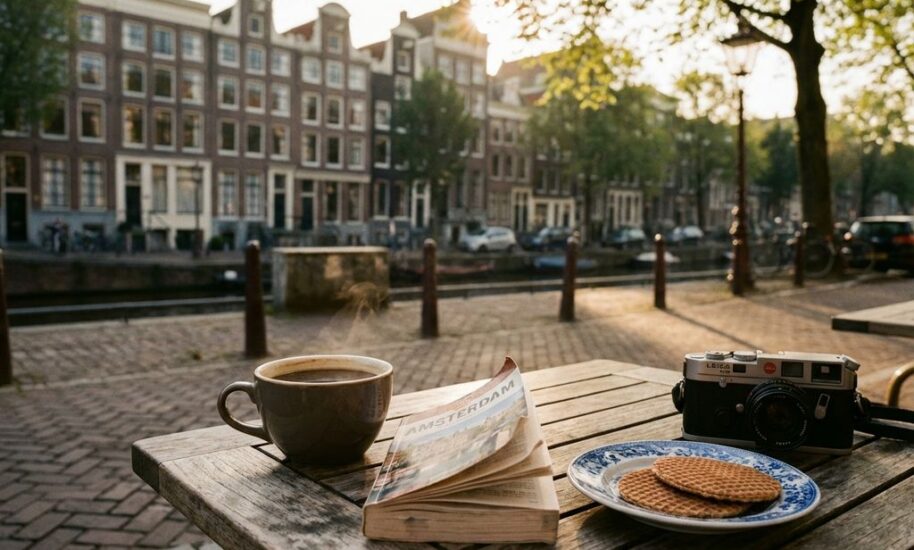
Amsterdam’s do’s and don’ts centre around respecting local customs, understanding cycling culture, and behaving appropriately in sensitive areas like the Red Light District. Avoid common tourist mistakes such as walking in bike lanes, taking inappropriate photos, or ignoring Dutch directness. Following basic etiquette around canals, coffee shops, and cultural norms helps you enjoy Amsterdam while respecting the city and its residents.
What are the biggest mistakes tourists make in Amsterdam?
The most common tourist mistakes in Amsterdam include walking in cycling lanes, misunderstanding coffee shop culture, inappropriate behaviour in the Red Light District, poor tipping etiquette, and ignoring canal safety rules. These errors can lead to dangerous situations, offended locals, or embarrassing encounters that diminish your experience.
Cycling lane confusion tops the list of tourist errors. Amsterdam’s red-painted bike paths aren’t decorative walkways. Walking in these lanes puts you at risk of collision with fast-moving cyclists who have right of way. Always check for bike lane markings before stepping into any red-coloured path.
Coffee shop misconceptions create awkward situations for many visitors. These establishments sell cannabis legally, but they’re not tourist attractions or photo opportunities. Treat them like any other business, with respect and discretion. Don’t loiter outside taking pictures or acting rowdy.
Tipping expectations differ from those in many other countries. Dutch service workers receive fair wages, so excessive tipping isn’t expected. Round up bills or add 5–10% for good service, but don’t feel pressured to tip American-style percentages.
Canal safety issues arise when tourists underestimate the dangers. The water is cold, deep, and has strong currents. Don’t lean over railings for photos, swim in canals, or walk too close to edges, especially after drinking. For comprehensive guidance on navigating these challenges, consider exploring our Amsterdam tips to make your visit smoother and more enjoyable.
How should you behave in Amsterdam’s Red Light District?
Respectful behaviour in Amsterdam’s Red Light District means no photography of sex workers, maintaining quiet voices, avoiding large groups that block walkways, and treating workers with dignity. This working neighbourhood requires cultural sensitivity and appropriate conduct from all visitors.
Photography rules are strictly enforced. Never photograph or film sex workers in their windows. This violates their privacy and can result in confrontation or legal issues. Keep cameras and phones away when passing the windows.
Interaction guidelines emphasise respect and professionalism. Sex work is legal employment in Amsterdam. Don’t stare, point, make crude comments, or treat workers as tourist attractions. If you’re not a customer, simply walk past politely.
Appropriate conduct includes keeping noise levels down, especially late at night when residents are sleeping. The Red Light District is a real neighbourhood where people live and work. Drunken shouting or rowdy behaviour disrupts the community.
Group behaviour matters significantly. Large bachelor or hen parties often cause problems by blocking narrow streets and creating disturbances. Keep groups small and manageable, and designate someone to ensure everyone behaves appropriately.
Cultural sensitivity means understanding this area’s complex history and current reality. It’s not a theme park but a working district with real people earning their living. Approach it with the same respect you’d show any other workplace.
What cycling rules do visitors need to know in Amsterdam?
Amsterdam cycling rules require staying in designated bike lanes, following traffic signals, yielding to pedestrians at crossings, and parking only in designated areas. Rental bikes should include lights and bells, and riders must understand right-of-way rules to navigate safely like locals.
Bike lane etiquette forms the foundation of Amsterdam cycling. Red-painted paths are for bicycles only. Don’t walk, stand, or park in these lanes. Ring your bell to alert slower cyclists when overtaking, and always look behind you before changing direction.
Rental safety tips include checking brakes, lights, and bell functionality before leaving the shop. Ensure your bike has working front and rear lights, especially for evening rides. Adjust the seat height so you can touch the ground with your toes while seated.
Traffic rules apply equally to cyclists and cars. Stop at red lights, yield to pedestrians at zebra crossings, and follow directional signs. Cyclists have right of way in bike lanes but must yield to trams and buses at intersections.
Pedestrian awareness prevents accidents and frustration. Watch for people stepping into bike lanes without looking. Slow down in crowded areas and use your bell to announce your presence. Remember that tourists often don’t understand cycling culture.
Parking regulations require using designated bike parking areas. Don’t chain bikes to bridges, fences, or random posts. Use official bike racks near train stations, attractions, and shopping areas. Improperly parked bikes may be removed by authorities.
Which Amsterdam cultural norms should tourists respect?
Amsterdam cultural norms include embracing Dutch directness without taking offence, arriving punctually for appointments, respecting personal space, demonstrating environmental consciousness, maintaining reasonable noise levels, and understanding egalitarian social customs that value equality and straightforward communication.
Dutch directness often surprises visitors accustomed to more indirect communication styles. Locals speak honestly and expect the same in return. Don’t interpret straightforward responses as rudeness. This communication style reflects efficiency and honesty, not hostility.
Punctuality expectations run high in Dutch culture. Arrive on time for restaurant reservations, tour bookings, and appointments. Being late without notice is considered disrespectful and may result in cancelled reservations or missed opportunities.
Personal space preferences emphasise respecting others’ physical boundaries. Don’t stand too close in queues, avoid loud phone conversations in public spaces, and keep backpacks manageable on crowded transport. Dutch people value their personal space highly.
Environmental consciousness appears throughout Amsterdam culture. Separate rubbish properly, use public transport or bikes instead of taxis when possible, and avoid single-use plastics. Many establishments charge for plastic bags or don’t provide them at all.
Noise level awareness becomes important in residential areas and on public transport. Keep conversations at reasonable volumes, especially on trams and buses. Amsterdam residents appreciate visitors who respect their peaceful urban environment.
Social customs reflect egalitarian values in which everyone deserves equal treatment. Don’t expect special treatment as a tourist, and treat service workers with respect. The Dutch appreciate genuine politeness over excessive formality.
What should you never do when visiting Amsterdam’s canals?
Never swim in Amsterdam’s canals, litter in waterways, jump from bridges, board boats without permission, or lean dangerously over railings. Canal safety rules protect both visitors and historic infrastructure from damage, while respecting the waterways that define Amsterdam’s character and serve as working transportation routes.
Swimming prohibitions exist for serious safety reasons. Canal water contains bacteria, strong currents, and hidden debris. The water temperature remains dangerously cold year-round, and climbing out proves difficult due to steep walls and limited access points.
Littering consequences extend beyond fines to environmental damage. Canals connect to larger water systems, so rubbish affects wildlife and water quality throughout the region. Use designated bins or carry rubbish until you find proper disposal options.
Bridge behaviour requires common sense and respect for infrastructure. Don’t climb on bridge railings, jump into the water, or hang from bridge structures. These historic bridges serve daily transportation needs and require careful preservation.
Boat etiquette matters when encountering canal traffic. Don’t board private boats without permission, interfere with commercial vessels, or throw objects at passing boats. Canal boats follow specific routes and schedules that shouldn’t be disrupted.
Waterway respect includes understanding that canals serve practical purposes beyond tourism. Residents use boats for daily transport, businesses rely on water access, and emergency services need clear waterways. Your behaviour affects real people’s daily lives.
Infrastructure protection helps preserve Amsterdam’s unique character for future generations. Don’t damage canal walls, bridges, or waterside structures. Report any damage you notice to local authorities rather than ignoring problems that could worsen over time.
Understanding these do’s and don’ts transforms your Amsterdam visit from a typical tourist experience into respectful cultural immersion. The city rewards visitors who take time to understand local customs and treat the environment with care. When you’re ready to explore Amsterdam with expert guidance, we offer guided city tours that help you discover the city’s treasures while respecting local culture and customs. Our experienced guides ensure you enjoy all the things to do in Amsterdam while avoiding common mistakes and embracing the Dutch way of life. For more information about our approach to responsible tourism, visit about Incredible Amsterdam to learn how we can enhance your visit. If you have questions about planning your respectful Amsterdam experience, don’t hesitate to contact us for personalised advice.

