


 Wish list
How do you avoid pickpockets in Amsterdam’s busy areas?
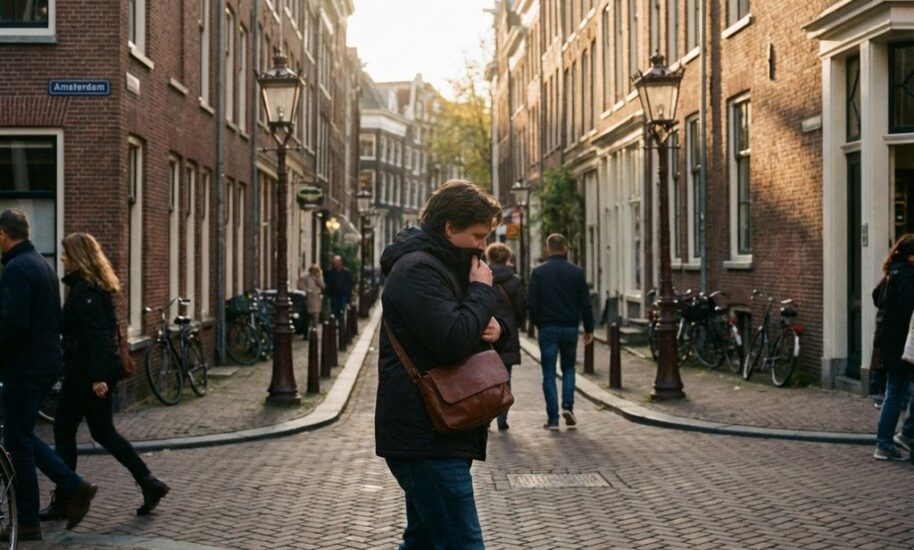
Avoiding pickpockets in Amsterdam requires awareness, preparation, and smart behaviour in busy areas. Stay alert in crowded tourist zones, keep valuables secure and out of sight, and remain vigilant on public transport. Most theft attempts can be prevented by understanding common tactics and taking simple precautions while exploring the city.
What are the most common pickpocketing tactics used in Amsterdam’s tourist areas?
Pickpockets in Amsterdam use distraction techniques, team operations, and crowded situations to target unsuspecting tourists. The most common methods include the distraction approach, where one person asks for directions or drops something while an accomplice steals from your bag or pocket.
Team-based operations are particularly prevalent around major attractions like Dam Square and Central Station. One person creates a commotion or engages you in conversation while another searches through your belongings. Watch for individuals who seem overly helpful or friendly, especially those who approach you unexpectedly.
On public transport, thieves often work during rush hours when trams and buses are packed. They position themselves near doors and grab items just as the doors close, making escape easy. The “sandwich technique” involves surrounding you with multiple people, making it difficult to notice when someone reaches into your pockets or bag.
Another common tactic involves fake petitions or surveys. Groups approach tourists with clipboards, asking for signatures for charitable causes. While you’re focused on reading or signing, accomplices rifle through your belongings. Be particularly wary of anyone trying to get you to stop and focus on paperwork in busy areas.
Which Amsterdam neighbourhoods and locations have the highest pickpocket risk?
Central Station, Dam Square, and the Red Light District represent the highest-risk areas for pickpocketing in Amsterdam. These locations combine heavy tourist traffic with numerous distractions, creating ideal conditions for thieves to operate unnoticed.
Central Station poses particular risks during morning and evening rush hours when commuters and tourists mix in crowded spaces. The area around the main entrance and the platforms for trams 1, 2, 5, and 13 see frequent incidents. Pickpockets often target people struggling with luggage or consulting maps.
The Red Light District becomes especially risky after dark when visitors are distracted by the sights and sounds. Narrow streets like Oudezijds Achterburgwal and Warmoesstraat see regular theft attempts. The combination of crowds, alcohol consumption, and visual distractions creates perfect conditions for opportunistic thieves.
Popular markets, including Albert Cuyp Market, Waterlooplein Flea Market, and Bloemenmarkt, also present elevated risks. The pressing crowds and focus on merchandise make it easy for pickpockets to work undetected. Weekend afternoons typically see the highest incident rates, when tourist numbers peak.
Museumplein and the surrounding area near major attractions like the Rijksmuseum and Van Gogh Museum also require extra vigilance, particularly during queue formation and busy periods when large groups congregate.
How should you carry your valuables to prevent theft in Amsterdam?
Use a money belt or hidden pouch worn under clothing for cash, cards, and important documents. Keep only small amounts of spending money in easily accessible pockets, and never carry your passport unless absolutely necessary for specific activities.
Position bags and backpacks in front of your body in crowded areas, especially on public transport. Zipped compartments should face inward toward your body, making it difficult for someone to open them without you noticing. Avoid wearing backpacks on your back in busy tourist zones.
Distribute valuables across multiple locations rather than keeping everything together. Carry one credit card and some cash in your front pocket, keep backup cards in a money belt, and store emergency cash in a separate hidden location. This ensures you’re not left completely stranded if one item is stolen.
Choose clothing with secure, zipped pockets for essential items. Avoid loose jacket pockets or open bags that provide easy access for thieves. Many travellers find that wearing a small crossbody bag with multiple compartments works well for day-to-day exploration.
Keep your phone secure when taking photos or checking directions. Use a phone strap or keep one hand firmly on your device when using it publicly. Avoid placing phones on tables at outdoor cafés or leaving them visible in open bags while walking through busy areas.
What should you do if you become a pickpocket victim in Amsterdam?
Immediately assess your safety and move to a secure location before taking any action. Check what’s missing and contact your bank straight away to cancel any stolen cards. Most banks have 24-hour international helplines that can freeze accounts within minutes of your call.
Report the theft to the Dutch police (Politie) as soon as possible. You can file reports at any police station or online through the official Politie website for non-emergency crimes. You’ll need this police report for insurance claims and to obtain replacement documents from your embassy.
If your passport was stolen, contact your country’s embassy or consulate in Amsterdam immediately. The British Consulate, German Embassy, and other diplomatic missions can provide emergency travel documents, though this process may take several days. Keep photocopies of important documents separate from originals to speed up replacement procedures.
Document everything related to the theft, including the time, location, and circumstances. Take photos of the area where it occurred and write down any details you remember about the perpetrators. This information helps police and supports insurance claims.
Contact your travel insurance provider to report the incident and begin the claims process. Many policies cover theft of personal belongings, but you’ll typically need the police report and proof of the items’ value. Keep all receipts related to the incident, including costs for replacement documents or emergency purchases.
Amsterdam’s historic centre can feel overwhelming for first-time visitors trying to stay safe while exploring. Joining a guided walking tour through areas like Dam Square and the canal district provides safety in numbers while you learn about the city from local experts who understand which areas require extra caution. These tours offer practical safety tips alongside cultural insights, helping you navigate Amsterdam confidently during the rest of your visit.

