


 Wish list
How do you find the hidden Begijnhof courtyard?
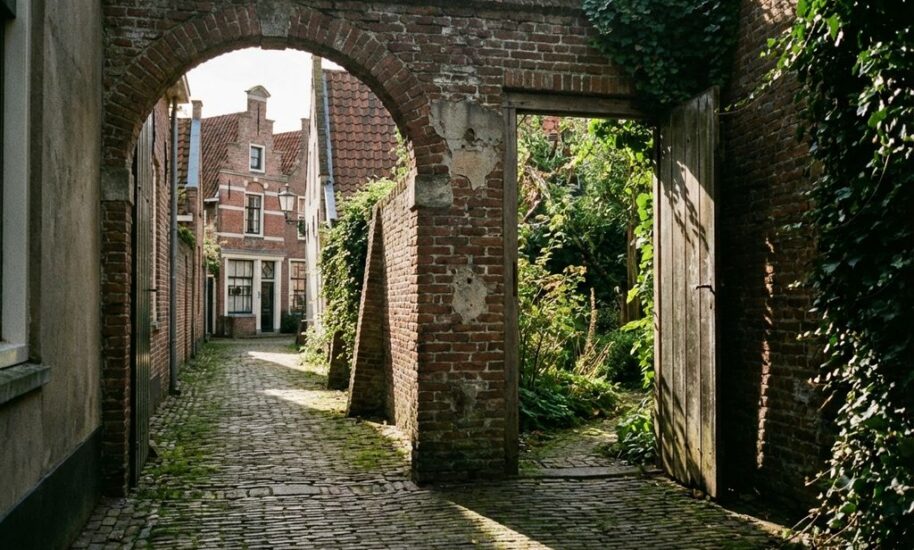
The Begijnhof courtyard hides behind a small, unmarked wooden door on Spui square, making it one of Amsterdam’s most secretive historical gems. Despite being in the city centre, this 14th-century courtyard remains largely undiscovered by tourists due to its discreet entrance and lack of obvious signage. Finding it requires knowing exactly where to look and which visual cues to follow.
What is the Begijnhof and why is it considered Amsterdam’s best-kept secret?
The Begijnhof is a medieval courtyard complex dating back to 1346, originally built as a sanctuary for the Beguines – a religious community of unmarried Catholic women who devoted their lives to caring for the sick and the poor. These women lived semi-monastic lives without taking formal vows, creating a unique spiritual community that flourished for centuries.
This historical treasure remains Amsterdam’s best-kept secret because it sits hidden in plain sight. Unlike other Amsterdam attractions that announce themselves with grand façades and tourist crowds, the Begijnhof maintains its original purpose as a quiet residential community. Several elderly women still live in the historic houses, continuing a tradition spanning nearly 700 years.
The courtyard’s secrecy stems from its deliberately understated entrance and the residents’ desire for privacy. There are no large signs, tour groups rarely visit, and most guidebooks mention it only briefly. This creates an authentic experience that feels like discovering a hidden village within Amsterdam’s bustling city centre.
What makes it particularly special is the contrast between the busy commercial streets surrounding it and the peaceful garden courtyard inside. The moment you step through that small wooden door, you’re transported back centuries to a time when this space provided refuge from the outside world.
Where exactly is the Begijnhof located in Amsterdam?
The Begijnhof sits directly behind the Amsterdam Museum on Spui square, one of Amsterdam’s most central locations. You’ll find it at Begijnhof 30, 1012 WV Amsterdam, positioned between the busy shopping streets of Kalverstraat and the cultural quarter around the Rijksmuseum.
From Dam Square, it’s a mere three-minute walk south. Head down Kalverstraat (the main shopping street) and turn right onto Spui. The courtyard entrance faces the square directly opposite the brown café called Café Hoppe. If you’re standing with your back to the Athenaeum Boekhandel bookstore, you’ll be looking straight at the entrance.
The location puts you within easy walking distance of multiple Amsterdam attractions. The Royal Palace and Nieuwe Kerk are 200 metres north, while the flower market (Bloemenmarkt) is just 150 metres south. This central position makes it perfect for including in any Amsterdam itinerary focused on the historic city centre.
Public transport connections are excellent. Tram lines 2, 11, and 12 stop at Spui, while the metro station Rokin is a two-minute walk away. The area is also easily accessible on foot from Central Station, taking about 10 minutes through the heart of the old city.
How do you actually find the entrance to the Begijnhof?
Look for a small wooden door with an arched top on the eastern side of Spui square, marked only with a tiny brass nameplate reading “Begijnhof.” The entrance is so understated that most people walk past without noticing it exists.
Stand facing the Amsterdam Museum’s main entrance and look to your right. You’ll see a row of historic buildings with ground-floor shops. The Begijnhof entrance is between these buildings – a narrow, dark wooden door that looks more like a service entrance than a tourist attraction. There’s no ticket booth, information desk, or obvious signage.
The most common mistake visitors make is looking for a grand entrance or following crowds. Instead, watch for locals who know the secret – they’ll confidently approach what appears to be a random door and simply push it open. The door is typically unlocked during daylight hours and opens inward with a gentle push.
If you’re having trouble spotting it, use Café Hoppe as your reference point. Stand with the café on your left, and the entrance will be directly across the square. Look for the only wooden door among the modern shopfronts – it stands out once you know what you’re seeking.
There’s only one public entrance to the Begijnhof. Some guided city tours might mention alternative access points, but these are private entrances for residents only and should not be used by visitors.
What should you expect when visiting the Begijnhof courtyard?
You’ll discover a tranquil garden courtyard surrounded by 47 historic houses, two churches, and manicured lawns that create an oasis of calm in Amsterdam’s busy centre. The contrast between the bustling street outside and this peaceful enclave is immediately striking.
The houses surrounding the courtyard date from the 15th to 17th centuries, representing different architectural periods. Most are still private residences, so you’ll see curtains, flower boxes, and other signs of daily life. The oldest wooden house in Amsterdam (dating to 1528) stands at number 34, easily recognisable by its distinctive medieval timber construction.
Two churches occupy the courtyard: the English Reformed Church (built in 1392) and a smaller Catholic chapel hidden behind a house façade. These reflect the religious history and the need for Catholics to worship discreetly during Amsterdam’s Protestant period.
The central lawn area features well-maintained gardens with seasonal flowers and several benches where you can sit quietly. Ancient elm trees provide shade and add to the timeless atmosphere that makes this space feel removed from modern Amsterdam.
Remember this is an active residential community. Keep voices low, don’t peer into windows, and respect the privacy of residents who’ve chosen to preserve this historic way of living. Photography of the courtyard itself is welcome, but avoid photographing people or private areas of the houses.
The courtyard is free to visit and typically remains open from dawn to dusk, though specific hours can vary seasonally.
When is the best time to visit the Begijnhof for the most peaceful experience?
Visit early in the morning (8–10 a.m.) or late in the afternoon (4–6 p.m.) for the most serene experience, with fewer visitors and the best natural lighting. These times offer the perfect balance between accessibility and tranquillity that makes the Begijnhof special.
Morning visits provide the most authentic atmosphere. The courtyard feels particularly magical when morning light filters through the trees and residents are going about their quiet daily routines. You’ll often have the space nearly to yourself, allowing for contemplation and photography without crowds.
Avoid midday hours (11 a.m.–3 p.m.) when most walking tours pass through and the space can feel crowded despite its small size. Weekend afternoons also tend to be busier, as local Amsterdam tips often include the Begijnhof on their recommended itineraries.
Seasonally, spring and early summer offer the most beautiful garden displays, while autumn provides golden lighting that enhances the historic architecture. Winter visits have their own charm – the courtyard feels even more intimate and cosy, though daylight hours are limited.
Plan for a 20–30 minute visit to fully appreciate the space without rushing. This allows time to read the information plaques, sit quietly in the garden, and absorb the historical atmosphere that makes this hidden courtyard so remarkable.
Weather considerations matter less here than at other outdoor Amsterdam attractions, since the surrounding buildings provide natural shelter, making it pleasant even during light rain.
The Begijnhof represents Amsterdam at its most authentic – a place where history lives on quietly, away from tourist crowds and commercial pressures. When you’re exploring incredible Amsterdam activities that showcase the city’s rich cultural heritage, this hidden courtyard offers something truly special: a genuine connection to medieval Amsterdam that survives in the heart of the modern city. We include the Begijnhof in our cultural walking tours because it perfectly captures the intimate, human stories that make Amsterdam’s history so compelling.

