


 Wish list
How do you navigate Amsterdam’s bike lanes as a beginner?
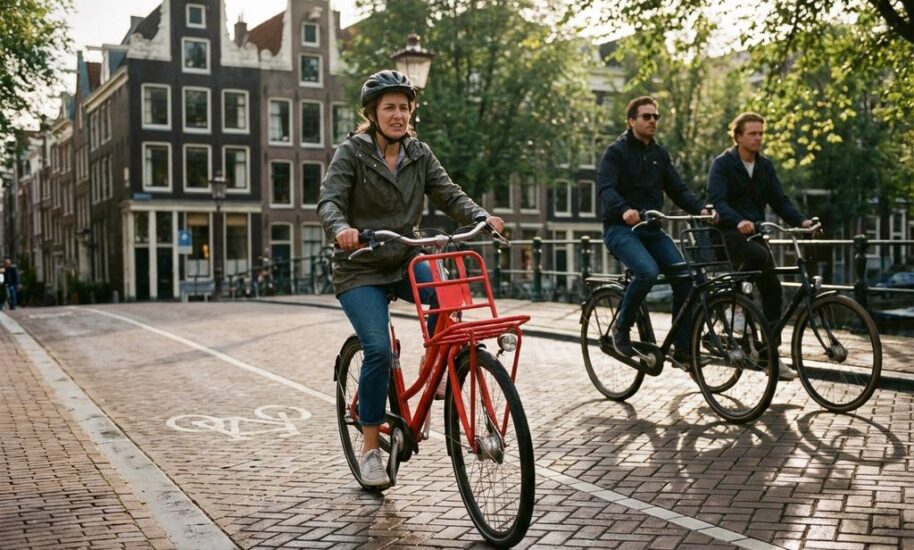
Amsterdam’s bike lanes can be intimidating for beginners, but understanding basic rules and navigation techniques makes cycling safe and enjoyable. The city operates on clear traffic signals, right-of-way protocols, and lane markings that guide cyclists through the urban landscape. Success comes from recognising different types of cycling infrastructure, following defensive cycling practices, and knowing how to handle common challenging situations such as busy intersections and tourist areas.
What are Amsterdam’s bike lane rules that every beginner should know?
Amsterdam’s bike lanes follow strict right-of-way rules, where cyclists yield to pedestrians on pavements but have priority over cars in designated cycling areas. Traffic signals include specific bike lights, often positioned at eye level, with red, amber, and green phases. Cyclists must stop at red lights and yield to trams, which always have absolute priority throughout the city.
The fundamental etiquette centres on predictable behaviour and clear communication. Always cycle on the right side of bike lanes, signal turns with outstretched arms, and ring your bell to alert pedestrians or slower cyclists. When stopping, move completely out of the cycling path to avoid blocking the flow of traffic.
Speed management is crucial in Amsterdam’s dense cycling environment. Maintain steady, moderate speeds that allow quick reactions to sudden stops or obstacles. During peak hours, expect slower movement and increased congestion, particularly around central areas such as Dam Square and major canal crossings.
Understanding parking regulations prevents fines and contributes to smooth traffic flow. Only park in designated bike parking areas, never block pedestrian crossings or tram tracks, and always lock your bicycle securely to official bike racks.
How do you identify and stay in the correct bike lanes in Amsterdam?
Amsterdam’s bike lanes are marked with red asphalt, white bicycle symbols painted on the surface, and clear separation from both car traffic and pedestrian walkways. Primary cycle paths run parallel to major roads with physical barriers, while secondary lanes share space with limited car access but maintain distinct markings and signage.
Visual recognition starts with understanding the colour-coding system. Red surfaces indicate dedicated cycling areas, grey or black asphalt typically marks car zones, and brick or stone paving usually designates pedestrian spaces. White bicycle symbols appear regularly along proper cycling routes, confirming that you’re in the correct lane.
Intersection navigation requires extra attention to lane positioning. Look for dedicated cyclist waiting areas at traffic lights, marked with bike symbols and positioned ahead of car traffic. These zones provide safe visibility and clear positioning for turns or straight-ahead movement.
Avoid common mistakes such as cycling on tram tracks, which is dangerous and illegal, or using pedestrian-only areas around major attractions. When exploring Amsterdam’s historic centre on foot through our cultural city tours, you’ll gain valuable insights into which areas welcome cyclists and which require walking, helping you plan future cycling routes more effectively.
What safety tips should beginners follow when cycling in Amsterdam traffic?
Defensive cycling techniques include maintaining constant awareness of blind spots around trams and buses, keeping sufficient distance from other vehicles, and always assuming that other road users might not see you. Position yourself visibly in traffic, wear bright clothing on overcast days, and ensure your bike has working lights for evening cycling.
Tram interaction requires special attention, since these vehicles cannot deviate from their tracks or stop quickly. Never cycle directly parallel to trams, always cross tracks at perpendicular angles to avoid your wheel getting caught, and give trams wide clearance when they’re stopping to load passengers.
Essential safety equipment includes a properly fitted helmet (though not legally required), functioning front and rear lights, and a loud bell for communication. Many rental bikes come equipped with basic safety features, but always check light functionality and brake responsiveness before starting your journey.
Weather considerations significantly impact cycling safety in Amsterdam. Wet cobblestones become extremely slippery, strong winds can affect balance on bridges, and rain reduces visibility for all road users. Adjust your speed accordingly and consider alternative transportation during severe weather conditions.
How do you handle common challenging situations in Amsterdam bike lanes?
Busy intersections require patience, clear positioning in designated cyclist waiting areas, and careful observation of multiple traffic-light phases before proceeding. When encountering aggressive cyclists, maintain your lane position, avoid sudden movements, and let faster riders pass safely rather than competing for space.
Tourist area navigation demands extra caution due to unpredictable pedestrian movement and increased foot traffic. Reduce speed significantly around popular attractions, use your bell frequently but politely, and be prepared to stop suddenly for tourists taking photographs or consulting maps.
Construction zones and temporary obstacles often redirect bike traffic onto alternative routes. Follow posted detour signs specifically marked for cyclists, as car detours may not accommodate bikes safely. When no clear alternative exists, dismount and walk your bike through problematic areas.
Rush-hour strategies include allowing extra travel time, choosing less congested parallel routes when possible, and maintaining calm patience during inevitable delays. Morning and evening peak periods see significantly increased cyclist density, requiring more defensive riding and greater attention to surrounding traffic.
Emergency situations call for clear protocols: move to safety immediately, signal for help if needed, and contact local authorities for serious incidents. Keep emergency numbers accessible and know basic Dutch phrases for requesting assistance.
Mastering Amsterdam’s bike lanes transforms your travel experience from intimidating to liberating. The city’s cycling infrastructure, while initially complex, follows logical patterns that become intuitive with practice. Remember that most locals learned these same skills gradually, and Amsterdam’s cycling community generally supports courteous beginners who follow basic safety protocols.

