


 Wish list
How do you navigate Amsterdam’s historic center?
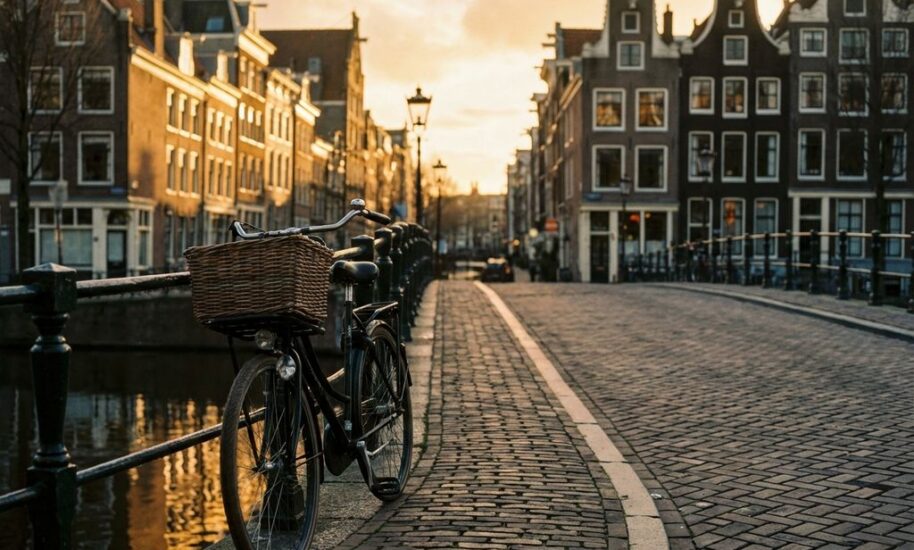
Navigating Amsterdam’s historic center means understanding its unique concentric canal ring system and medieval street patterns. The UNESCO World Heritage canal district creates a spider web of waterways with three main rings – Herengracht, Prinsengracht, and Keizersgracht – that serve as natural navigation landmarks. These canals, combined with narrow cobblestone streets and distinctive gabled houses, create a walkable historic district where orientation becomes easier once you grasp the underlying structure.
What makes Amsterdam’s historic center unique to navigate?
Amsterdam’s historic center features a distinctive concentric canal ring system that sets it apart from other European cities. Unlike the linear street grids found in many capitals, Amsterdam developed outward from its medieval core in semi-circular rings of canals and streets.
The UNESCO World Heritage canal ring consists of three main waterways built during the 17th-century Golden Age. These canals – Herengracht (Gentlemen’s Canal), Prinsengracht (Prince’s Canal), and Keizersgracht (Emperor’s Canal) – form concentric semi-circles around the original medieval center. This creates a unique navigation pattern where you move both radially (toward or away from the center) and circumferentially (following the canal curves).
The medieval street patterns in the oldest part of the city add another layer of complexity. These narrow, winding streets developed organically over centuries, creating a maze-like network around landmarks like Dam Square and the Red Light District. Many streets follow the original dikes and paths that existed before the planned canal expansion.
What makes navigation particularly distinctive is how water dominates the landscape. With over 100 kilometers of canals and more than 1,500 bridges, Amsterdam tours often emphasize how the city’s layout prioritizes waterways over roads. This means traditional navigation methods need adjustment – you’ll often use bridges, canal intersections, and distinctive gabled houses as reference points rather than typical street corners.
How do you use Amsterdam’s canal system to find your way around?
The three main canals serve as natural navigation highways that you can follow to maintain orientation throughout the historic center. Herengracht forms the innermost ring of the planned canal district, Keizersgracht sits in the middle, and Prinsengracht creates the outermost boundary of the UNESCO area.
Understanding the concentric pattern helps you navigate systematically. If you’re walking along Prinsengracht and want to move toward the historic core, cross any bridge to reach Keizersgracht, then continue inward to Herengracht. The canals generally maintain their semi-circular shape, so following them will eventually bring you back to your starting area if you continue long enough.
Canal house numbers provide reliable reference points for orientation. Houses are numbered sequentially along each canal, and the distinctive architecture makes individual buildings memorable landmarks. The famous narrow, tall houses with their ornate gabled tops create a unique skyline that helps you identify your location from different vantage points.
Pay attention to canal intersections, as these serve as major navigation nodes. Where the concentric canals cross the radial streets (like Leidsestraat, Kalverstraat, or Damrak), you’ll find important landmarks, shops, and Amsterdam attractions. These intersection points become natural waypoints for planning Amsterdam activities and building your Amsterdam itinerary.
Use the canal names themselves as directional guides. Street signs clearly mark which canal you’re following, and most locals refer to locations by their canal and approximate house number rather than complex street addresses.
What are the best walking routes through Amsterdam’s historic center?
The most efficient walking routes follow the natural flow of the canal system while connecting major historic sites in logical sequences. A circular route along the main canals minimizes backtracking while maximizing coverage of important Amsterdam attractions.
For a comprehensive two-hour route, start at Central Station and walk south along Damrak to Dam Square. This introduces you to the Royal Palace, Nieuwe Kerk, and the heart of the medieval city. From Dam Square, head west along Raadhuisstraat to reach Prinsengracht, then follow this outer canal south past the Anne Frank House and the charming Jordaan neighborhood.
Continue your circular walk by crossing to Keizersgracht near Leidseplein, then follow this middle canal northeast back toward the center. This section passes some of Amsterdam’s most elegant 17th-century merchant houses and provides excellent photo opportunities. Cross to Herengracht to complete the inner ring, passing the Golden Bend area with its widest canal houses and grandest architecture.
For shorter Amsterdam itinerary options, focus on specific canal segments. A one-hour route might cover just the southern portion of the canal ring, from Leidseplein to the Flower Market via Herengracht. This captures the essence of Golden Age architecture without overwhelming first-time visitors.
Create themed walking routes based on your interests. Art lovers might connect the Rijksmuseum, Van Gogh Museum, and Stedelijk Museum via the Museum Quarter, then walk through Vondelpark to reach the canal district. History enthusiasts often prefer routes that include the Begijnhof, Amsterdam Museum, and various historic churches scattered throughout the center.
Consider the direction of your walk carefully. Following canals from north to south often provides better lighting for photos, especially in the afternoon when the low Dutch sun illuminates the canal house facades beautifully. For more detailed route suggestions and insider tips, check out our Amsterdam tips.
How do you avoid getting lost in Amsterdam’s narrow streets and alleys?
Smartphone navigation apps work well in most areas, but GPS signals can weaken in narrow canal-side streets surrounded by tall buildings. Always download offline maps before exploring, and use multiple navigation apps as backups when exploring the maze-like medieval sections.
Learn to recognize key landmarks that remain visible from various points throughout the historic center. The Westerkerk tower near Anne Frank House, the distinctive spires of Oude Kerk in the Red Light District, and the Royal Palace dome at Dam Square serve as reliable reference points. These landmarks help you orient yourself even when street-level navigation becomes confusing.
Understand Amsterdam’s street naming patterns to anticipate where streets lead. Streets ending in “-gracht” are canals, while “-straat” indicates regular streets. “-plein” means square or plaza. Many streets are named after their destinations – Museumstraat leads toward the Museum Quarter, while Kalverstraat connects Dam Square to major shopping areas.
When GPS fails, follow the flow of foot traffic and bicycle paths. Major routes between Amsterdam attractions maintain steady pedestrian traffic, and following these natural flows usually leads to recognizable landmarks or main thoroughfares. Bicycle paths often parallel the most direct routes between destinations.
Carry a physical map as backup, particularly one showing the canal system clearly. The concentric pattern becomes more obvious on paper maps, and you can trace your route even in areas with poor phone signal. Many hotels and tourist information centers provide excellent free maps designed specifically for walking navigation.
Don’t hesitate to ask locals for directions. Most Amsterdam residents speak excellent English and understand that the historic center can be disorienting for visitors. Locals often provide shortcuts and alternative routes that bypass crowded tourist areas while still connecting you to your destination. If you need additional assistance or want to explore with expert guidance, feel free to contact us for personalized recommendations.
Pay attention to bridge numbers and canal-side plaques, which often indicate your precise location along major waterways. These markers help you pinpoint your position on maps and communicate your location to others if needed.
Navigating Amsterdam’s historic center becomes intuitive once you understand its unique structure and use the right combination of tools and landmarks. The concentric canal system, while initially confusing, actually provides a logical framework for exploration that connects centuries of history with modern Amsterdam activities. Whether you’re planning a comprehensive Amsterdam itinerary or simply wandering through the charming streets, understanding these navigation principles will enhance your experience of this remarkable UNESCO World Heritage site. At Incredible Amsterdam, we offer guided tours that help visitors master these navigation techniques while discovering the stories and secrets that make Amsterdam’s historic center so captivating.

