


 Wish list
How do you rent and ride bikes safely in Amsterdam?
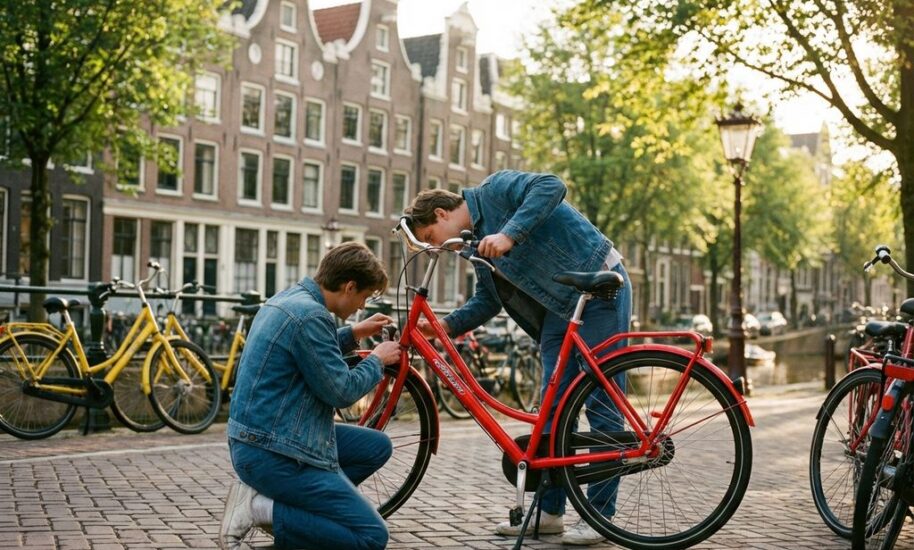
Renting and riding bikes safely in Amsterdam requires understanding the city’s unique cycling culture, choosing reliable rental options, following Dutch traffic rules, and navigating bike lanes confidently. Amsterdam has over 400 kilometres of bike paths serving 880,000 bicycles, making cycling the primary mode of transport. Success depends on respecting local cycling etiquette, staying alert in busy areas, and using proper safety equipment throughout your journey.
What should you know about Amsterdam’s bike culture before renting?
Amsterdam’s cycling culture treats bikes as the primary mode of transport rather than as recreational vehicles. Over 60% of residents cycle daily, creating a fast-paced environment where cyclists have right of way in most situations. The extensive network includes dedicated bike lanes, traffic lights, and parking facilities designed specifically for bicycle traffic.
First-time visitors often underestimate the speed and confidence of local cyclists. Dutch riders navigate narrow paths efficiently, expect predictable behaviour from others, and rarely slow down for tourists. The infrastructure includes red-coloured bike lanes, separate traffic signals, and multi-level bike parking facilities that can accommodate thousands of bicycles.
Weather plays a significant role in Amsterdam’s cycling culture. Locals cycle year-round regardless of rain, wind, or cold temperatures. Most rental bikes come equipped with basic weather protection, but visitors should prepare for sudden weather changes. The flat terrain makes cycling accessible for all fitness levels, though strong winds from the North Sea can create challenges on exposed routes.
Where can you rent bikes in Amsterdam and what should you expect to pay?
Bike rental options include hotel services, dedicated bike shops, and tourist-focused rental companies throughout the city centre. Standard city bikes cost €10–15 per day, while electric bikes range from €20–30 daily. Most rentals include basic insurance, locks, and helmets on request, though helmets aren’t commonly used by locals.
Hotel bike rentals offer convenience but a limited selection and higher prices. Dedicated bike shops provide better-quality bikes, maintenance support, and local advice about routes and safety. Tourist rental services near major attractions offer multilingual support and flexible rental periods, from hourly to weekly rates.
Rental packages typically include a sturdy city bike with hand brakes, lights, and a chain lock. Premium options feature electric assistance, better suspension, and GPS navigation systems. Most companies require identification and a deposit ranging from €50–200, either as cash or credit card authorisation. Weekly rentals often provide better value for extended stays, with discounts of 20–30% compared with daily rates.
What are the essential traffic rules for cycling safely in Amsterdam?
Dutch cycling traffic laws require cyclists to use designated bike lanes, follow traffic signals, and yield to pedestrians at crossings. Cyclists must signal turns using hand gestures, maintain single-file formation in narrow lanes, and stop completely at red lights. Riding under the influence of alcohol carries the same penalties as driving a car.
Right-of-way rules prioritise cyclists over cars in most situations, but trams always have absolute priority. When bike lanes intersect with tram tracks, cyclists must cross at designated angles to avoid wheel entrapment. Pedestrians have right of way on sidewalks and at designated crossing areas, requiring cyclists to dismount or use alternative routes.
Essential safety equipment includes functioning front and rear lights during low-visibility conditions. While helmets aren’t legally required, insurance coverage may depend on proper safety equipment usage. Mobile phone use while cycling is prohibited and heavily fined. Parking regulations strictly forbid leaving bikes attached to bridges, traffic signs, or emergency access points, with removal and fines enforced regularly.
How do you navigate Amsterdam’s bike lanes and avoid common cycling mistakes?
Amsterdam’s bike lane system includes red-marked cycle paths, shared road sections, and separate cycling highways connecting different neighbourhoods. Lane markings indicate direction, priority rules, and intersection protocols. Understanding these visual cues prevents accidents and maintains traffic flow in busy areas.
Common tourist mistakes include stopping suddenly in bike lanes, riding side by side in narrow paths, and using pedestrian areas for cycling. Local cyclists expect consistent speeds and predictable movements, so sudden direction changes or hesitation create dangerous situations. Always check behind you before stopping or turning, and move to designated parking areas when consulting maps or taking photos.
Navigation through busy intersections requires understanding traffic light sequences and positioning. Many intersections feature separate cycling phases with dedicated signals. Popular tourist areas like the city centre and museum district have increased enforcement and special cycling rules during peak hours. Practise basic manoeuvres in quieter neighbourhoods before tackling busy central routes.
Successful cycling in Amsterdam combines respect for local traffic culture with practical safety awareness. Understanding bike lane etiquette, choosing appropriate rental options, and following traffic rules ensures both safety and enjoyment while you explore this remarkable city. For comprehensive insights into Amsterdam’s neighbourhoods and cycling routes, our cultural city tours provide local expertise and practical recommendations for making the most of your visit while staying safe on two wheels.

