


 Wish list
How do you stay safe while exploring Amsterdam on foot?
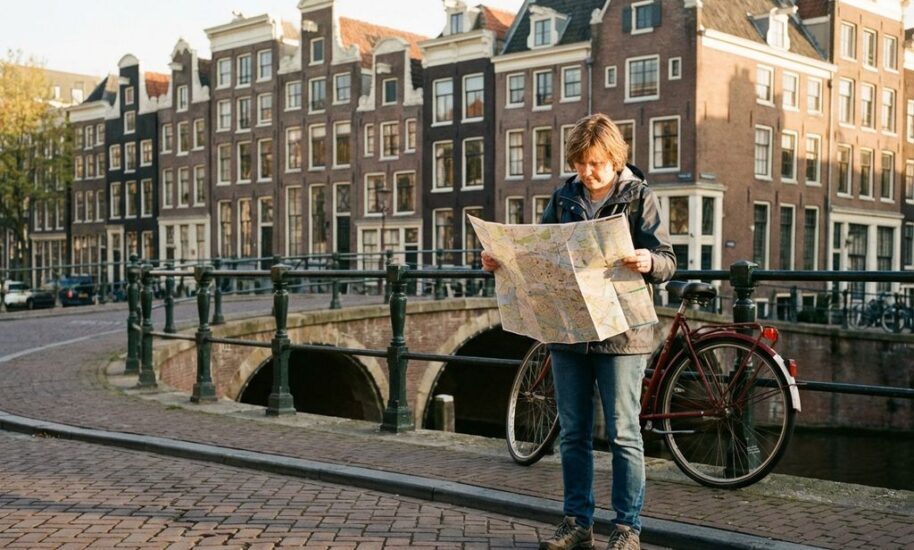
Walking through Amsterdam safely requires awareness of the city’s unique urban environment, particularly its extensive bike network and canal system. Most safety concerns are manageable with basic precautions like staying alert around cyclists, keeping belongings secure in tourist areas, and understanding traffic patterns. Amsterdam is generally safe for pedestrians, but knowing these key considerations helps you explore confidently while enjoying the city’s rich history and Amsterdam attractions.
What are the main safety concerns when walking around Amsterdam?
The primary safety concerns for pedestrians in Amsterdam include bicycle traffic, pickpocketing in crowded areas, canal proximity, and navigating busy tourist zones. Bicycle accidents pose the greatest risk, as Amsterdam has over 400 kilometres of bike lanes with cyclists who expect pedestrians to follow traffic rules.
Bicycle traffic dominates Amsterdam’s streets, with locals cycling at high speeds through dedicated lanes that often run directly alongside pedestrian paths. Many visitors accidentally step into bike lanes, creating dangerous situations. The red-coloured bike paths are clearly marked, but tourists frequently miss these visual cues while focusing on Amsterdam attractions.
Pickpocketing occurs mainly in crowded tourist areas like Dam Square, the Red Light District, and popular markets. Thieves target distracted visitors taking photos or consulting maps. The narrow streets and dense crowds provide cover for quick thefts, particularly during peak tourist seasons.
Canal proximity presents unique hazards, as many streets run directly along waterways with minimal barriers. The historic canal ring has low or absent guardrails, making it possible to accidentally step too close to the water’s edge, especially in poor lighting conditions or when distracted by sightseeing.
Crowded tourist zones create additional challenges during busy periods. Popular areas become congested with tour groups, street performers, and vendors, making it difficult to maintain awareness of your surroundings. This congestion can also slow emergency response times if assistance becomes necessary.
How do you navigate Amsterdam’s bike lanes and traffic safely as a pedestrian?
Navigate Amsterdam’s bike lanes by always looking for red-coloured pavement that indicates cycling areas, checking both directions before crossing any street, and never walking in bike lanes even when they appear empty. Cyclists have right of way in their designated lanes and often ring bells as warnings rather than stopping.
Understanding Amsterdam’s traffic hierarchy helps prevent accidents. Cyclists rank highest in priority, followed by public transport, then cars, with pedestrians expected to yield in most situations. This system differs significantly from other cities where pedestrians typically have priority.
Recognise bike lane markings by looking for red asphalt, white bicycle symbols painted on the ground, and dedicated traffic lights showing bicycle symbols. These lanes often run between the road and the sidewalk, creating a three-tier system that requires careful attention when crossing streets.
Cross streets safely by stopping at the kerb, looking left for approaching cyclists, checking right for cars, then looking left again before stepping into the road. Many intersections have separate traffic lights for bicycles, trams, and cars, so wait for clear signals from all directions.
When walking in groups, stay single file on narrow paths and avoid sudden stops or direction changes that might surprise approaching cyclists. Keep conversations quiet enough to hear approaching bikes, as many cyclists announce their presence with bell rings rather than slowing down.
Use designated pedestrian areas whenever possible, particularly the main shopping streets like Kalverstraat and Nieuwendijk, where cycling is restricted during certain hours. These areas provide safe spaces to explore Amsterdam activities without worrying about bicycle traffic.
Which Amsterdam neighbourhoods should you be more cautious in after dark?
Exercise additional caution after dark in the Red Light District, areas around Central Station, Nieuwmarkt, and some parts of Amsterdam Noord and Southeast. Well-lit main streets remain generally safe, but quieter side streets and areas with fewer people require increased awareness of your surroundings.
The Red Light District becomes more crowded and unpredictable in the evening, with increased alcohol consumption and rowdy tourist behaviour. While not inherently dangerous, the area attracts pickpockets who target intoxicated visitors. Stick to main streets like Warmoesstraat and avoid isolated alleys.
Areas around Central Station see increased activity from people arriving and departing, including individuals who may approach tourists with various schemes. The ongoing construction work in this area creates poorly lit sections and confusing pedestrian routes that require extra attention.
Nieuwmarkt and surrounding streets become quieter after businesses close, reducing natural surveillance. While violent crime remains rare, the decreased foot traffic makes visitors more visible to opportunistic thieves. Stay on well-lit routes and avoid displaying expensive items.
Amsterdam Noord, while gentrifying rapidly, still has industrial areas and construction zones that become isolated after dark. If staying in this area, plan your route in advance and use main roads rather than shortcuts through undeveloped sections.
Southeast Amsterdam (Zuidoost) has some areas with higher crime rates, though most tourist accommodations are located in safer central districts. If travelling to this area for events or meetings, use public transport directly to your destination rather than walking long distances.
Maintain safety by staying in well-lit areas with good foot traffic, avoiding shortcuts through parks or construction zones, and keeping to main streets when returning to your accommodation. The historic city centre remains active and relatively safe throughout the evening hours, and you can find helpful Amsterdam tips for navigating safely after dark.
What should you do if you feel unsafe while exploring Amsterdam on foot?
If you feel unsafe, immediately move toward well-lit areas with other people, enter a shop or restaurant, or approach police officers who patrol tourist areas regularly. Trust your instincts and don’t hesitate to change your route or seek help from locals, who generally speak excellent English and are willing to assist tourists.
Contact emergency services by dialling 112 for immediate assistance or 0900-8844 for non-emergency police help. Both services operate in multiple languages, including English. Save these numbers in your phone before exploring Amsterdam attractions, as mobile service works reliably throughout the city centre.
Seek refuge in busy public places like hotels, restaurants, shops, or near tram stops where other people are present. Many businesses in tourist areas are accustomed to helping visitors and will allow you to wait inside while contacting help or getting your bearings.
Approach local police officers, who are easily identifiable in dark blue uniforms and often patrol on foot or bicycle in tourist areas. Tourist police specifically trained to help visitors are stationed at major attractions and can provide assistance in multiple languages.
Use public transport to quickly move to safer areas if needed. Trams and buses operate frequently until midnight, with night buses running later. GVB transport staff can provide assistance, and vehicles are monitored by security systems.
Stay calm by taking deep breaths and focusing on getting to a safe location rather than confronting any perceived threat. Most situations resolve quickly once you move to a busier area or seek appropriate help from authorities or local businesses.
Prevent situations by sharing your Amsterdam itinerary with someone, carrying a charged phone with emergency numbers saved, and avoiding isolated areas, especially after dark. Most safety concerns in Amsterdam are preventable with basic awareness and common-sense precautions.
Amsterdam remains one of Europe’s safest cities for pedestrians when you understand the local traffic patterns and take reasonable precautions. The biggest challenges involve adapting to the bicycle-dominated transport system rather than serious safety threats. By staying alert around bike lanes, securing your belongings in tourist areas, and following well-lit routes after dark, you can explore the city’s incredible architecture and cultural sites with confidence. We offer guided walking tours that help you navigate Amsterdam safely while discovering hidden gems and local insights that enhance your visit to this remarkable city. For more information about our services and safety recommendations, feel free to contact us.

