


 Wish list
How does Amsterdam’s public transport impact event scheduling?
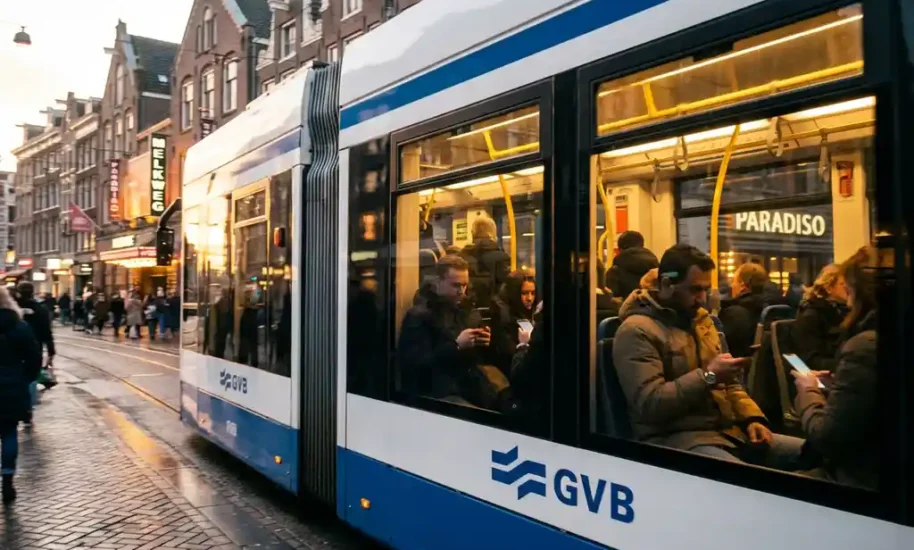
Amsterdam public transport significantly influences event scheduling through its comprehensive network coverage, predictable timetables, and accessibility features. The GVB transport system connects all major venues via trams, buses, and metro lines, creating opportunities for better attendance while requiring careful timing around peak hours and potential disruptions. Understanding these transport patterns helps event planners maximise accessibility and minimise logistical challenges.
What makes Amsterdam’s public transport system unique for event planning?
Amsterdam’s integrated GVB network combines trams, buses, metro lines, and ferries into a unified system that reaches virtually every venue in the city. This comprehensive coverage means attendees can access events from anywhere in Amsterdam using a single transport card and a consistent pricing structure.
The frequent scheduling creates both advantages and constraints for event organisers. Trams run every 5–10 minutes during peak hours and every 10–15 minutes during off-peak times. The metro operates similarly, while buses typically maintain 15–20 minute intervals. This reliability allows you to predict attendee arrival patterns more accurately than in cities with less consistent transport.
However, the system’s popularity creates capacity limitations. Major tram lines can become overcrowded during events, particularly when multiple venues host simultaneous activities. The network’s design around the historic city centre also means some venues require transfers, adding 10–15 minutes to journey times that planners must communicate clearly to attendees.
How do peak hours and transport schedules affect event timing in Amsterdam?
Amsterdam’s rush hours occur from 7:30–9:30 AM and 5:00–7:00 PM on weekdays, creating significant congestion on all transport modes. Scheduling events outside these windows improves attendee experience and reduces travel stress, making 10:00 AM, 2:00 PM, or evening starts after 7:30 PM optimal for accessibility.
Weekend schedules operate differently, with reduced frequency but less congestion. Saturday services run at near-weekday levels until evening, while Sunday morning services start later and run less frequently until noon. Evening events benefit from extended weekend services, though the last trams typically run around midnight on weekends.
Late-night transport options are limited in Amsterdam. The night bus network operates after regular services end, but with reduced coverage and longer intervals. Events finishing after midnight should provide clear information about night bus routes or encourage alternative transport arrangements. This timing constraint often influences event duration and end times, particularly for venues not served by the main night bus routes.
What transport disruptions should event planners expect in Amsterdam?
Planned maintenance regularly affects Amsterdam public transport, particularly during summer months when major infrastructure work occurs. Track maintenance and system upgrades can close tram lines for days or weeks, requiring attendees to use replacement bus services that often take longer and follow different routes.
Strike actions occasionally disrupt services, though GVB typically provides advance notice and maintains reduced services during labour disputes. These strikes most commonly affect bus services, while trams and metro lines may continue with limited frequency. Weather rarely causes significant disruptions, though heavy snow can slow tram services and reduce bus reliability.
Special events and festivals create temporary route changes and increased crowding. King’s Day, Pride Amsterdam, and major football matches can overwhelm certain lines while causing diversions around event areas. Smart event planners monitor the city’s event calendar and communicate alternative routes well in advance, often providing multiple transport options and updated journey times to help attendees plan accordingly.
How does Amsterdam’s transport accessibility impact venue selection for events?
Proximity to major tram stops and metro stations significantly increases venue attractiveness for attendees. Venues within 200 metres of multiple transport lines offer the best accessibility, allowing attendees to choose from several routes and reducing crowding on individual services. Multi-modal access points provide backup options when disruptions occur.
Accessibility features vary across the transport network, affecting venue choice for events expecting attendees with mobility needs. All metro stations provide lift access, while many tram stops lack step-free boarding. Newer trams offer low-floor access, but older vehicles require stepping up. Bus services generally provide better accessibility features, including wheelchair spaces and audio announcements.
International visitors often struggle with Amsterdam’s transport system complexity, making venue accessibility particularly important for conferences and tourist-focused events. Venues near Centraal Station or major squares offer familiar reference points, while those requiring multiple transfers or located on lesser-known lines may deter attendance. Clear wayfinding information and multilingual transport guidance become important factors in venue selection and event communication strategies, especially when organising a company trip to Amsterdam.
Understanding Amsterdam public transport patterns allows event planners to optimise timing, communicate effectively with attendees, and choose venues that maximise accessibility. The integrated network provides excellent coverage when properly navigated but requires careful consideration of peak times, potential disruptions, and accessibility needs. We specialise in helping visitors navigate Amsterdam efficiently, ensuring they reach their destinations comfortably and on time through our local expertise and insider knowledge of the city’s transport systems.

