


 Wish list
How much time do you need for each Amsterdam itinerary stop?
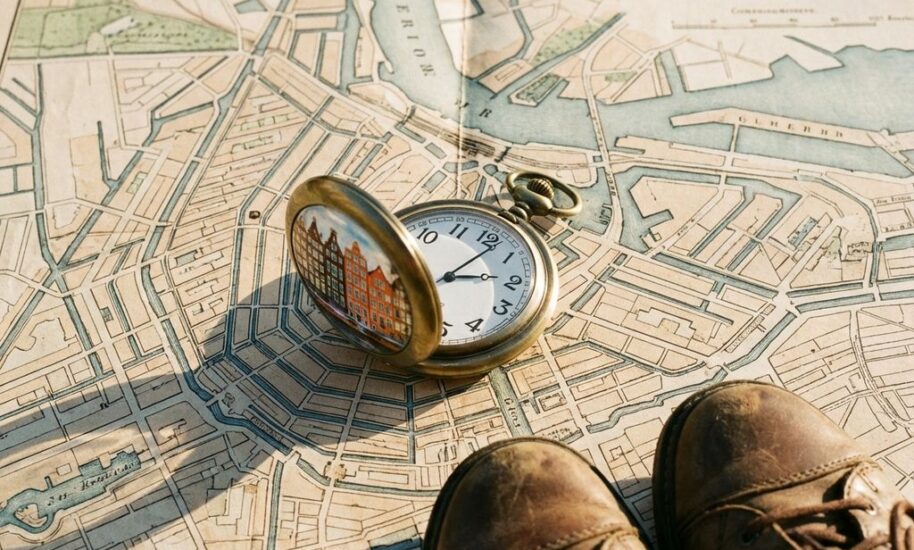
Planning your Amsterdam itinerary requires understanding how much time each attraction and activity actually takes. Most visitors underestimate museum visits and overestimate walking distances, leading to rushed experiences or missed attractions. The key is balancing must-see sights with spontaneous discoveries while accounting for crowds, seasons, and your personal interests.
How much time should you spend at Amsterdam’s major museums?
Amsterdam’s major museums require 2–4 hours each for a meaningful visit. The Rijksmuseum needs 3–4 hours to see highlights properly, while the Van Gogh Museum takes 2–3 hours. The Anne Frank House requires 1.5–2 hours, though you’ll spend additional time queuing without advance booking.
The Rijksmuseum houses an enormous collection spanning Dutch art and history. You can rush through the highlights in 2 hours, but this feels hurried and you’ll miss important context. A comfortable 3–4 hour visit allows time to appreciate masterpieces like Rembrandt’s “The Night Watch” and Vermeer’s works without feeling overwhelmed.
The Van Gogh Museum works well as a 2–3 hour experience. The audio guide adds valuable insight but extends your visit by 30–45 minutes. Crowds significantly impact your experience – early morning or late afternoon visits move more smoothly than midday peak times.
The Anne Frank House feels different from other museums due to its emotional weight. Most visitors spend 1.5–2 hours reading exhibits carefully and reflecting on the experience. The audio guide is particularly worthwhile here, adding about 20 minutes to your visit.
Smaller museums like the Stedelijk or Amsterdam Museum work well as 1.5–2 hour visits. The Heineken Experience takes about 1.5 hours including the tasting session.
Several factors affect your museum timing. Audio guides typically add 25–50% to visit duration but greatly enhance understanding. Crowds during summer months and weekends can double walking time between exhibits. Your personal interest level matters enormously – art enthusiasts might spend 5–6 hours at the Rijksmuseum while others feel satisfied after 2 hours.
What’s the ideal duration for exploring Amsterdam’s different neighbourhoods?
Amsterdam neighbourhoods reward 2–4 hours of wandering depending on your pace and interests. The Jordaan needs 3–4 hours for proper exploration, while the Red Light District takes 1–2 hours. The Museum Quarter works as a half-day experience, and the historic city centre deserves a full day.
The Jordaan district charms visitors with narrow streets, independent shops, and cosy cafés. Plan 3–4 hours to wander properly, including stops for coffee and browsing unique boutiques. The neighbourhood rewards slow exploration – rushing through defeats its purpose.
The Red Light District requires 1–2 hours for most visitors. The area is compact, but you’ll want time to appreciate the historic architecture beyond the famous windows. Evening visits offer a different atmosphere than daytime exploration.
The Museum Quarter combines world-class attractions with pleasant parks and upscale shopping. Allow 4–6 hours if you’re visiting museums, or 2–3 hours for walking through Vondelpark and window-shopping along P.C. Hooftstraat.
Amsterdam’s historic city centre deserves a full day or multiple shorter visits. The area from Dam Square to the floating flower market covers significant ground. You’ll want 4–6 hours minimum to see major sights without feeling rushed.
Your walking pace dramatically affects neighbourhood exploration time. Quick walkers might cover the Jordaan in 2 hours, while leisurely explorers easily spend 5–6 hours discovering hidden courtyards and chatting with locals.
Photo stops add considerable time – Instagram enthusiasts should budget extra time for canal shots and historic building façades. Spontaneous discoveries often provide the best memories, so leave flexibility in your schedule for unexpected finds like hidden gardens or interesting markets. For more insights on making the most of your neighbourhood exploration, check out our Amsterdam tips.
How long do Amsterdam’s most popular activities actually take?
Amsterdam activities take longer than advertised when you include waiting times and transitions. Canal cruises run 1–1.5 hours, bike tours last 3–4 hours, food tours take 3–4 hours, walking tours run 2–3 hours, and market visits need 1–2 hours depending on your shopping enthusiasm.
Canal cruises advertise 1-hour durations, but factor in 15–30 minutes for boarding and finding seats. Popular departure times create queues, especially during summer months. Private boat tours offer more flexibility with timing and route customisation.
Bike tours typically last 3–4 hours including bike fitting, safety briefing, and multiple stops. The actual cycling covers 10–15 kilometres, but frequent stops for sightseeing and photos extend the experience. Weather conditions significantly impact both duration and enjoyment.
Food tours promise 3–4 hours of tastings across multiple locations. Walking between venues, waiting for preparations, and learning about Dutch culinary traditions fills the time quickly. These tours work best when you’re genuinely hungry and curious about local cuisine.
Walking tours vary from 2–3 hours depending on group size and guide enthusiasm. Smaller groups move faster and ask more questions. Historical tours often run longer than advertised because guides share extra stories when groups show interest. Our guided city tours are designed to provide comprehensive coverage while respecting your time constraints.
Amsterdam’s markets deserve 1–2 hours minimum. The Albert Cuyp Market works well for 1–1.5 hours of browsing and snack sampling. The Noordermarkt on Saturdays needs 2 hours if you’re interested in organic produce and vintage finds. The floating flower market takes 30–45 minutes unless you’re buying bulbs to take home.
Seasonal variations affect activity duration significantly. Summer crowds slow everything down, while winter weather might cut outdoor activities short. Booking requirements for popular Amsterdam tours mean arriving 15–30 minutes early for check-in procedures.
Why does timing matter so much for Amsterdam attractions?
Timing determines your Amsterdam experience quality more than almost any other factor. Crowds, opening hours, seasonal changes, and booking requirements create significant scheduling constraints. Poor timing means longer queues, higher prices, and rushed experiences at major Amsterdam attractions.
Amsterdam’s popularity creates serious crowd management challenges. The Anne Frank House sells out weeks in advance during peak season. Summer afternoons at major museums feel uncomfortably crowded, while early morning visits offer peaceful viewing conditions.
Opening hours vary seasonally and some attractions close on specific weekdays. Many museums open at 9am but don’t hit peak crowds until 11am–2pm. Late afternoon visits (after 3pm) often provide better experiences with shorter queues and more relaxed atmospheres.
Seasonal changes dramatically affect Amsterdam activities. Canal cruises operate year-round but covered boats become essential during winter months. Bike tours work beautifully in spring and summer but feel miserable during cold, wet weather. Many outdoor markets reduce their schedules during winter months.
Booking requirements have become stricter for popular Amsterdam attractions. Advance reservations are now mandatory for the Anne Frank House and strongly recommended for major museums. Walking tours and canal cruises often sell out during peak tourist seasons.
Smart timing strategies help you avoid the worst crowds and prices. Tuesday–Thursday visits generally offer better experiences than weekend crowds. Early morning museum visits provide peaceful viewing before tour groups arrive. Late afternoon canal cruises often cost less than prime sunset departure times.
Your Amsterdam itinerary works best when you cluster nearby attractions and account for realistic travel times between neighbourhoods. Walking between the Rijksmuseum and Van Gogh Museum takes 5 minutes, while travelling from the Anne Frank House to the Museum Quarter requires 20–30 minutes including tram connections.
Weather contingency planning becomes important given Amsterdam’s unpredictable climate. Indoor museum visits work perfectly during rainy days, while sunny weather calls for canal cruises and neighbourhood wandering. Having flexible backup plans prevents disappointment when weather disrupts outdoor Amsterdam activities.
Understanding Amsterdam’s rhythm helps you plan more enjoyable visits. The city feels different at various times – early morning canal walks offer magical light and minimal crowds, while evening neighbourhood exploration reveals local life as residents finish work and socialise in brown cafés. To learn more about how we can help you discover this rhythm, visit about Incredible Amsterdam.
When planning your Amsterdam itinerary, remember that quality trumps quantity. Rushing through multiple attractions creates exhausting days with shallow experiences. Instead, choose fewer destinations and explore them thoroughly. We offer comprehensive cultural walking tours that help you understand Amsterdam’s rhythm and discover the perfect timing for your independent exploration of this magnificent city. If you have specific questions about timing your visit or need personalized advice, feel free to contact us for expert guidance on making the most of your Amsterdam adventure.

