
 Wish list
Is 3 days enough in Amsterdam?
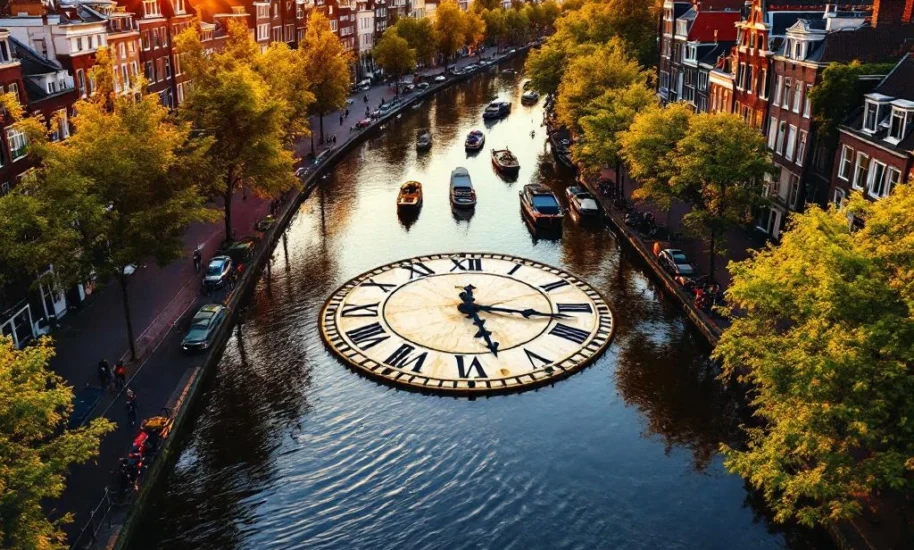
Three days in Amsterdam provide enough time to experience the city’s essential attractions, explore major neighbourhoods, and enjoy authentic Dutch culture. You can comfortably visit two or three museums, take a canal tour, walk through historic districts, and sample local cuisine without feeling rushed. This timeframe allows for both must-see sights and spontaneous discoveries that make Amsterdam memorable.
What can you realistically see in Amsterdam in 3 days?
Amsterdam’s compact city centre makes it possible to cover significant ground in three days. You can visit two or three major museums, explore the historic canal district, experience the famous neighbourhoods, and enjoy a proper canal tour while still having time for meals and relaxation.
The city’s main attractions cluster around the canal ring and museum quarter, making efficient sightseeing straightforward. You can walk between most central attractions or use the excellent tram system for longer distances. The Anne Frank House, Van Gogh Museum, and Rijksmuseum represent the cultural highlights, while neighbourhoods like Jordaan, De Pijp, and the Red Light District each offer distinct experiences.
Your three days allow for a good mix of indoor and outdoor activities. Plan for one museum-heavy day, one neighbourhood exploration day, and one day combining a canal tour with market visits or parks. This balance prevents cultural overload while ensuring you experience Amsterdam’s unique blend of history, art, and contemporary Dutch life.
Weather can influence your itinerary, so having flexible indoor options helps. Amsterdam’s many brown cafés (traditional pubs), covered markets like Foodhallen, and extensive museum offerings provide excellent backup plans for rainy moments.
How should you plan your 3 days in Amsterdam for maximum impact?
Start with museum reservations and Anne Frank House tickets before arrival, as these sell out quickly. Structure each day around a central theme: cultural attractions, neighbourhood exploration, and canal experiences. This approach minimises travel time while maximising your exposure to different aspects of Amsterdam.
Day one works well focused on major museums and the historic centre. Begin early at the Van Gogh Museum or Rijksmuseum, then walk through Vondelpark to the canal ring. An afternoon exploring the Nine Streets shopping area and an evening dinner in the atmospheric Jordaan neighbourhood create a well-rounded introduction.
Day two suits neighbourhood discovery and local experiences. A morning in the Albert Cuyp Market and De Pijp area, an afternoon exploring the Jordaan’s galleries and cafés, then an evening in the Red Light District provide diverse cultural perspectives. Include a visit to a traditional brown café for an authentic Amsterdam atmosphere.
Day three combines canal touring with remaining must-sees. A morning canal cruise offers unique city perspectives, an afternoon for the Anne Frank House or an alternative museum, then a final evening enjoying Amsterdam’s café culture or exploring areas you found most appealing.
Book popular restaurants for dinner and consider purchasing an I amsterdam City Card if visiting multiple museums. Transportation is walkable for most central areas, but day passes for public transport offer flexibility for reaching outer neighbourhoods efficiently. For expert guidance on making the most of your time, consider guided city tours that can help you navigate the city’s highlights efficiently.
What are the biggest mistakes people make on short Amsterdam trips?
The most common error involves trying to pack too many activities into each day without allowing time for Amsterdam’s relaxed café culture and spontaneous discoveries. Rushing between attractions prevents you from experiencing the city’s unique atmosphere and charm that locals treasure.
Poor timing decisions frequently waste precious hours. Arriving at popular museums without advance tickets leads to disappointment or long queues. Similarly, attempting major attractions on weekends or during peak hours creates unnecessary stress and crowds that diminish the experience.
Many visitors stick exclusively to the tourist centre, missing authentic neighbourhoods like De Pijp, Noord, or the eastern districts where locals actually live and work. These areas offer better-value restaurants, interesting shops, and genuine Dutch culture beyond the postcard attractions.
Transportation mistakes include over-relying on taxis in a city designed for walking and cycling, or underestimating distances between attractions. Amsterdam’s centre appears small on maps, but walking everywhere becomes tiring, while the excellent public transport system remains underutilised.
Food choices often default to tourist-focused restaurants around major squares, missing the incredible Indonesian cuisine, local brown cafés, and neighbourhood eateries that offer better quality and prices. For insider knowledge on the best local spots, check out our Amsterdam tips rather than settling for convenient but mediocre tourist options.
Weather preparation frequently fails visitors who don’t pack layers or rain protection. Amsterdam’s changeable weather can shift from sunny to rainy quickly, and being unprepared limits outdoor exploration and canal activities.
Which Amsterdam experiences should you prioritise with limited time?
Canal tours and walking the historic canal ring provide Amsterdam’s most distinctive experience that you cannot replicate elsewhere. Choose smaller boat tours over large tourist vessels for better views and commentary, or simply walk the canals at different times of day to appreciate the architecture and atmosphere.
The Anne Frank House represents essential historical context for understanding Amsterdam’s role in World War II and provides moving insights into this period. Book well in advance, as tickets sell out weeks ahead. The experience requires one to two hours but offers profound historical perspective.
Neighbourhood exploration trumps additional museum visits for authentic Amsterdam experiences. The Jordaan’s narrow streets, independent shops, and traditional brown cafés showcase local life, while De Pijp offers excellent food markets and contemporary Dutch culture.
One world-class art museum deserves priority over attempting multiple cultural institutions. The Van Gogh Museum offers a manageable size and an extraordinary collection, while the Rijksmuseum provides comprehensive Dutch art and history. Choose based on personal interest rather than attempting both.
Local food experiences, particularly Indonesian rijsttafel, traditional Dutch cheese tastings, or meals in authentic brown cafés, provide cultural immersion that enhances your understanding of modern Amsterdam. These experiences often create lasting memories beyond standard sightseeing.
Cycling, while iconic, requires confidence with traffic and bike handling. If you’re comfortable cycling, rent bikes for efficient transportation and an authentic local experience. Otherwise, extensive walking and occasional tram use work perfectly well for three-day visits.
Three days allow you to experience Amsterdam’s essential character without rushing. Focus on quality experiences over quantity, allowing time for the spontaneous café stops and canal-side moments that make Amsterdam special. If you need personalized recommendations or have questions about planning your visit, feel free to contact us for expert advice on discovering both famous attractions and hidden local gems, ensuring your short visit captures the true spirit of this remarkable city.

