


 Wish list
Is Amsterdam a walkable city?
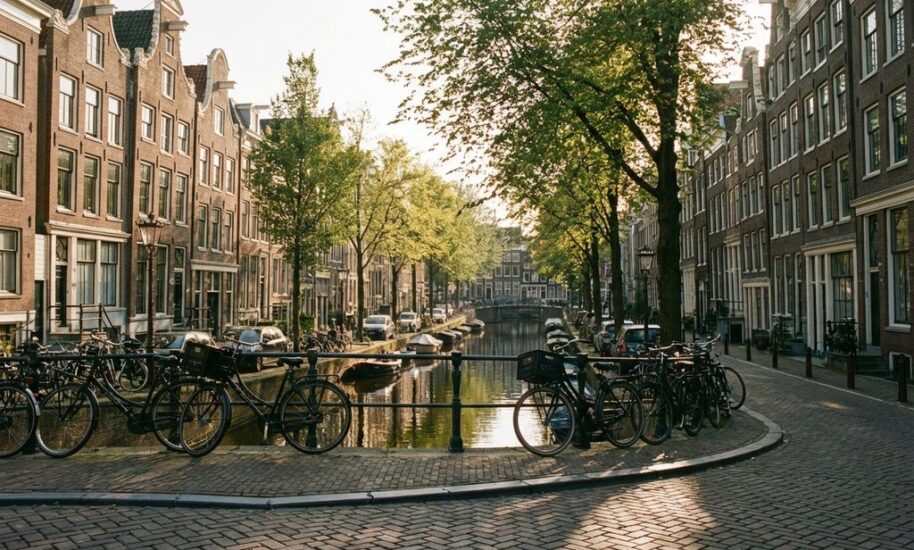
Amsterdam is absolutely a walkable city. The compact historic centre, flat terrain, and excellent pedestrian infrastructure make it perfect for exploring on foot. You can easily walk between major attractions, with most distances taking 10–20 minutes. The city’s thoughtful urban planning prioritises pedestrians alongside its famous cycling culture, creating an enjoyable walking experience through charming canal-lined streets.
What makes Amsterdam a walkable city?
Amsterdam’s walkability stems from its compact city centre and centuries-old urban design that naturally favours pedestrians. The historic centre spans just 2.5 kilometres across, making virtually every major attraction accessible on foot. The city’s famously flat terrain eliminates the challenge of hills, while well-maintained pavements and numerous pedestrian zones create comfortable walking conditions year-round.
The pedestrian infrastructure throughout Amsterdam is exceptionally well developed. Wide pavements line most streets, with dedicated pedestrian areas around major squares like Dam Square and Leidseplein. The city has invested heavily in accessibility features, including dropped kerbs, tactile paving for visually impaired visitors, and step-free access to many attractions.
Amsterdam’s urban planning brilliantly integrates pedestrian pathways with the canal system. The tree-lined canal walks provide scenic routes between neighbourhoods, while numerous bridges connect different areas seamlessly. Many streets in the historic centre are either pedestrian-only or have restricted vehicle access, creating peaceful walking environments.
The city’s layout follows a logical pattern radiating from Central Station, making navigation intuitive. Clear signage in multiple languages helps visitors orient themselves, while the abundance of cafés and shops provides regular rest stops during longer walks.
How long does it take to walk across Amsterdam’s city centre?
Walking across Amsterdam’s entire city centre takes approximately 30–40 minutes at a comfortable pace. From Central Station to the Museum Quarter measures roughly 3 kilometres, while walking from east to west across the historic centre takes about 25 minutes. These compact distances make Amsterdam ideal for exploration on foot, allowing you to see multiple neighbourhoods in a single walking tour.
Popular walking routes between major attractions are surprisingly short. The walk from Central Station to Dam Square takes just 8 minutes, while reaching the famous Jordaan neighbourhood requires only 15 minutes from the city centre. The Anne Frank House sits just a 10-minute walk from Central Station, and the vibrant Leidseplein area is 20 minutes to the south.
The Canal Ring, Amsterdam’s UNESCO World Heritage area, can be explored in a leisurely 45-minute circular walk. This route covers the main canal belt, including Herengracht, Prinsengracht, and Keizersgracht, offering stunning views of historic canal houses and charming bridges.
For those interested in discovering the city, walking between the major museums is entirely feasible. The Rijksmuseum, Van Gogh Museum, and Stedelijk Museum cluster together in the Museum Quarter, with just 5-minute walks between them. From there, the historic centre is a pleasant 25-minute stroll through Vondelpark and the canal district.
What are the challenges of walking in Amsterdam?
The main challenge for pedestrians in Amsterdam is navigating the extensive bike lane network safely. Red-painted cycle paths run throughout the city, and accidentally walking in these lanes can create dangerous situations with fast-moving cyclists. Always stay on designated pavements and look both ways before crossing any red-marked areas, as bikes have right of way and often travel at considerable speed.
Cobblestone streets, while charming, present practical difficulties for some walkers. Many historic areas feature uneven cobbles that can be challenging for those with mobility issues or unsuitable footwear. The stones become particularly slippery when wet, which happens frequently given Amsterdam’s changeable weather.
Weather conditions significantly impact walking comfort in Amsterdam. Rain occurs regularly throughout the year, and strong winds are common, especially near the canals. The city’s openness means there’s limited natural shelter, making waterproof clothing and sturdy umbrellas important for comfortable walking experiences.
Crowded tourist areas can slow walking progress, particularly around Dam Square, the Red Light District, and major museums during peak visiting hours. These areas become especially congested during summer months and weekends. Planning walking routes for early morning or late afternoon can help avoid the busiest periods.
Bridge navigation requires attention, as many of Amsterdam’s historic bridges are narrow and shared between pedestrians and cyclists. Some bridges have steep inclines that may challenge those with mobility limitations, though alternative routes with gentler gradients are usually available nearby.
Which Amsterdam neighbourhoods are best for walking?
The Canal Ring (Grachtengordel) offers Amsterdam’s most spectacular walking experience, featuring tree-lined canals, elegant 17th-century architecture, and numerous boutique shops and cafés. This UNESCO World Heritage area provides well-maintained pavements alongside the famous Herengracht, Prinsengracht, and Keizersgracht canals, creating picture-perfect walking routes with minimal traffic interference.
The Jordaan neighbourhood ranks as Amsterdam’s most pedestrian-friendly district, with narrow streets, charming courtyards, and an abundance of local cafés and galleries. Originally a working-class area, the Jordaan now features excellent walkability with car-free zones, wide pavements, and numerous small squares perfect for rest stops. The area’s grid-like layout makes navigation simple, while the concentration of local businesses creates a vibrant street-level atmosphere.
The Museum Quarter (Museumkwartier) combines cultural attractions with excellent pedestrian infrastructure. Wide boulevards, the expansive Vondelpark, and purpose-built pedestrian areas around the major museums create comfortable walking conditions. The neighbourhood’s planned layout includes ample green space and clear sightlines, making it particularly suitable for families and those seeking helpful Amsterdam tips with easy walking access.
De Pijp neighbourhood offers authentic Amsterdam walking experiences with excellent local amenities. The famous Albert Cuyp Market creates a bustling pedestrian environment, while the area’s compact size and regular street grid make exploration straightforward. Wide pavements accommodate the neighbourhood’s popularity, and the high concentration of cafés and restaurants provides plenty of opportunities for breaks during longer walks.
The historic Nieuwmarkt area combines medieval charm with modern pedestrian facilities. Centred around the atmospheric Nieuwmarkt square, this neighbourhood features a mix of cobblestone streets and modern pavements, historic buildings, and contemporary amenities, creating an ideal walking environment that showcases Amsterdam’s architectural evolution.
Amsterdam’s exceptional walkability makes it one of Europe’s most pedestrian-friendly capitals. The combination of compact distances, flat terrain, and thoughtful urban planning creates ideal conditions for exploring on foot. While challenges like bike lanes and weather require attention, the city’s infrastructure supports comfortable walking throughout its most attractive neighbourhoods. Whether you’re interested in historic architecture, cultural attractions, or local atmosphere, Amsterdam’s walkable districts offer something for every type of explorer. For those who prefer structured exploration, guided city tours showcase the very best pedestrian routes and hidden gems. If you’re seeking local expertise and recommendations, Incredible Amsterdam offers comprehensive insights to help you make the most of your walking adventures. For personalised assistance with planning your walking itinerary, feel free to contact us for expert advice. You can also learn more about our passion for helping visitors discover this beautiful city step by step.

