


 Wish list
Is Amsterdam very expensive?
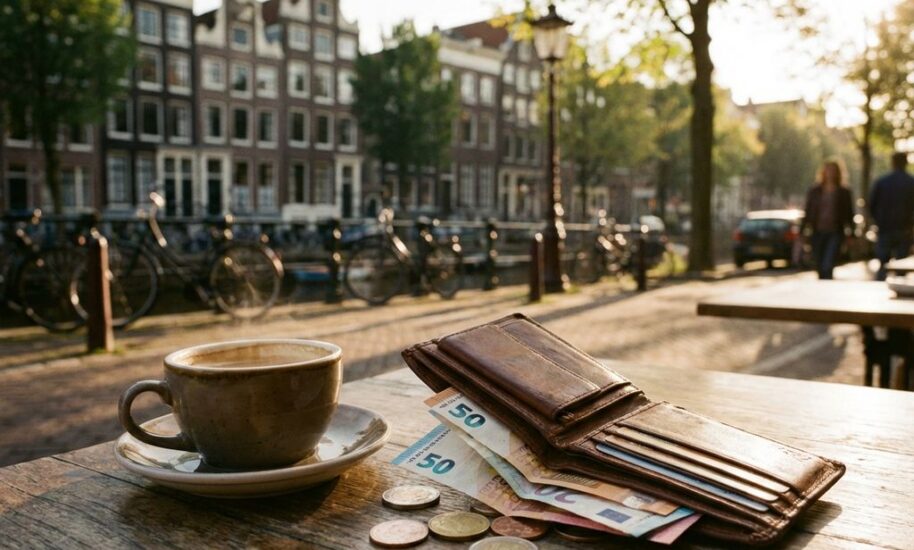
Amsterdam can be expensive, but it’s not necessarily more costly than other major European capitals like London or Paris. Your expenses depend largely on your choices for accommodation, dining, and activities. With smart planning and local knowledge, you can experience Amsterdam’s charm without breaking the bank. The key lies in understanding where costs add up and knowing the alternatives that locals use.
What makes Amsterdam feel expensive to visitors?
Amsterdam’s reputation for high costs stems primarily from tourist-focused pricing in central areas, limited hotel availability, and the city’s popularity as a weekend destination. Accommodation represents the biggest expense, with canal-side hotels charging premium rates due to their historic locations and limited supply.
Tourist restaurants around Dam Square and the Red Light District often charge significantly more than neighbourhood eateries. A simple meal that costs €8–12 in a local café can easily cost €20–25 in tourist hotspots. The same pattern applies to drinks, where a beer might cost €3 in a local brown café but €6–8 near major attractions.
Transportation costs can surprise visitors unfamiliar with Amsterdam’s pricing structure. Single tram tickets cost €3.20, making short trips feel expensive compared to other cities. However, this reflects the comprehensive nature of the public transport system rather than genuine overpricing.
Many visitors also pay full price for attractions without realising discount options exist. Museum tickets, canal cruises, and things to do in Amsterdam often have reduced rates during off-peak times or through combination deals that aren’t immediately obvious to newcomers.
How much should you actually budget for Amsterdam?
Budget travellers can comfortably explore Amsterdam for €60–80 per day, mid-range visitors should plan for €100–150 daily, while luxury experiences typically cost €200+ per day. These figures include accommodation, meals, transport, and activities, with realistic expectations for each category.
For budget accommodation, hostels cost €25–40 per night, while budget hotels range from €60–90. Mid-range hotels typically charge €100–180 per night, with luxury options starting around €250. Booking outside the canal ring often reduces costs by 20–30% without significantly impacting your experience.
Food budgets vary dramatically based on your approach. Self-catering from supermarkets costs €15–20 daily, casual dining runs €25–35, while restaurant meals average €40–60 per day. Street food and local markets offer excellent middle-ground options that many visitors overlook.
Transport costs €7.50 per day for unlimited public transport, while attraction budgets depend on your interests. Free activities and parks cost nothing, museum days typically run €15–20 per venue, and things to do in Amsterdam like canal tours range from €12–25 depending on duration and operator.
Daily budget breakdown by travel style
Budget (€60–80): Hostel bed €30, street food/supermarket meals €20, public transport €8, one paid attraction €15
Mid-range (€100–150): Hotel room €120, café meals €35, transport €8, two attractions €25
Luxury (€200+): Premium hotel €200, restaurant dining €60, private transport €30, multiple premium experiences €50
Where can you find affordable food and drinks in Amsterdam?
Local markets, neighbourhood cafés outside the city centre, and traditional Dutch eateries offer the best value for money in Amsterdam. Albert Cuyp Market, Noordermarkt, and local supermarkets like Albert Heijn provide fresh, affordable options that locals use regularly.
Brown cafés (traditional pubs) in residential areas serve hearty Dutch meals for €8–15, significantly less than tourist restaurants. Look for daily specials and lunch menus, which often include soup, sandwich, and drink combinations for around €10–12.
Happy hours are common but not always advertised. Many bars offer reduced drink prices between 5–7 p.m., particularly on weekdays. Local beer brands like Heineken and Amstel cost less than imported options, while house wines provide better value than premium selections.
Traditional Dutch foods offer excellent value. Try stroopwafels from street vendors (€1–2), herring from fish stands (€3–4), or bitterballen at local pubs (€4–6 for a portion). These authentic experiences cost less than international cuisine while providing genuine cultural immersion. For more local dining insights, check out our Amsterdam tips for finding the best value restaurants.
Grocery shopping at discount chains like Lidl or Aldi can reduce food costs by 30–40% compared to tourist-area convenience stores. Many accommodations provide kitchen facilities, making self-catering a viable option for budget-conscious travellers.
What are the best ways to save money on Amsterdam attractions?
Free activities form the backbone of budget-friendly Amsterdam exploration. Vondelpark, the Begijnhof courtyard, and the city’s numerous markets cost nothing while providing authentic local experiences. Walking tours with tip-based payment offer excellent value compared to expensive private guides.
Museum passes provide significant savings for culture enthusiasts. The Museumkaart (€64.90 annually) pays for itself after visiting three major museums, while the I amsterdam City Card includes transport and attraction discounts for shorter stays.
Timing affects pricing considerably. Many attractions offer reduced rates during weekday afternoons or winter months. Canal cruise operators often discount tickets for early-morning or late-afternoon departures when tourist demand is lower. Consider joining one of our guided city tours which often provide better value than individual attraction visits.
Free museum days occur regularly but aren’t widely publicised. Several museums offer free entry on specific weekdays for residents and visitors alike. The Amsterdam Museum, for example, provides free access to its courtyard and certain exhibitions year-round.
Alternative things to do in Amsterdam include exploring the city’s many parks, visiting free galleries, attending street performances, and discovering architectural gems throughout different neighbourhoods. These experiences often provide more authentic cultural immersion than expensive tourist attractions.
Group bookings frequently offer discounts for families or groups of friends. Many operators provide reduced rates for parties of four or more, making shared experiences more economical than individual tickets. If you have questions about group rates or budget-friendly options, feel free to contact us for personalised advice.
Amsterdam rewards visitors who venture beyond the obvious tourist trail. The city offers incredible value when you know where to look and how locals approach dining, entertainment, and exploration. Smart budgeting allows you to experience everything from world-class museums to charming canal-side cafés without overspending. At Incredible Amsterdam, we specialise in showing visitors these authentic, value-conscious approaches to experiencing Amsterdam, ensuring you discover the city’s true character while respecting your budget. Learn more about our approach to creating memorable, affordable Amsterdam experiences.

