


 Wish list
Should you bring an umbrella when visiting Amsterdam?
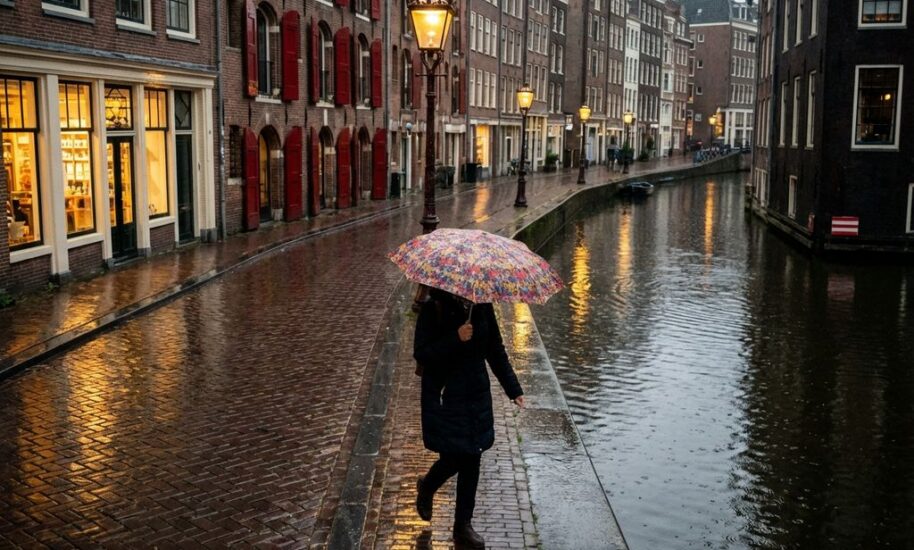
Yes, bringing an umbrella to Amsterdam is a smart choice. The city experiences rain throughout the year, with an average of 170 rainy days annually. Amsterdam’s unpredictable weather patterns mean you could encounter sudden showers even on sunny days. While rain typically comes in light drizzles rather than heavy downpours, having protection ensures you can continue exploring the beautiful canals and historic neighbourhoods comfortably.
How often does it actually rain in Amsterdam?
Amsterdam receives rainfall on approximately 170 days per year, which means rain occurs roughly every other day. The city experiences its wettest conditions from October through January, with November typically seeing the highest precipitation levels. During these months, you can expect around 15–18 rainy days per month.
The intensity of Amsterdam’s rain tends to be moderate rather than torrential. Most rainfall comes as light to moderate drizzle that can last several hours rather than brief, heavy downpours. This pattern means you’re likely to encounter persistent light rain during your Amsterdam adventures, particularly when exploring charming neighbourhoods like the Jordaan or the historic city centre.
Summer months from June to August see fewer rainy days, averaging 10–12 days per month, but sudden afternoon showers are common. Spring and autumn bring the most unpredictable weather, when sunny mornings can quickly turn into rainy afternoons. Understanding these patterns helps when planning outdoor activities like walking tours through the city’s famous canal ring.
What’s the difference between bringing an umbrella vs a raincoat in Amsterdam?
In Amsterdam’s unique urban environment, umbrellas offer better versatility for the city’s typical light rain and drizzle patterns. However, raincoats provide superior protection when cycling, which is essential for experiencing Amsterdam like a local. The choice depends largely on your planned activities and mobility needs.
Amsterdam’s narrow streets and frequent bridges can create wind tunnels that make umbrellas challenging to manage during stronger winds. The city’s famous canals also create unique microclimates where rain can seem to come from multiple directions due to water reflections and wind patterns. Umbrellas work excellently for short walks between museums, cafés, and shops in the compact city centre.
Raincoats prove more practical when cycling through Amsterdam’s extensive bike-path network or taking longer walking tours. They allow complete freedom of movement while keeping you dry during extended outdoor exploration. Many visitors find that combining both options works best: a compact umbrella for quick protection and a lightweight raincoat for active sightseeing. This approach aligns perfectly with Amsterdam travel tips for staying comfortable while exploring the city’s diverse attractions.
When is Amsterdam’s rainiest season and should you avoid it?
Amsterdam’s rainiest season runs from October through January, with November typically being the wettest month. However, you shouldn’t avoid visiting during this period, as it offers unique advantages including fewer crowds, lower accommodation prices, and Amsterdam’s cosy indoor culture at its finest.
During the rainy season, Amsterdam transforms into a particularly atmospheric destination. The city’s numerous museums, historic cafés, and covered markets become perfect refuges from the weather. Cultural attractions like the Rijksmuseum, Van Gogh Museum, and Anne Frank House are less crowded, allowing for more intimate experiences. The city’s famous brown cafés (traditional pubs) take on a special warmth during rainy days.
Canal tours continue operating year-round with covered boats that provide excellent protection from the elements. Many tour operators, including local cultural walking tours, adapt their routes to include more covered areas and indoor stops during wet weather. The rain actually enhances the romantic ambience of Amsterdam’s canal-lined streets, creating perfect conditions for photography and atmospheric exploration. This makes the rainy season an excellent time for first-time visitors seeking authentic Amsterdam travel experiences without summer’s tourist crowds.
Where can you buy an umbrella in Amsterdam if you need one?
You can easily purchase umbrellas throughout Amsterdam at numerous retail locations, including major department stores, convenience shops, and tourist areas. Prices typically range from €5–15 for basic models, with higher-quality options available at department stores for €20–40.
The most convenient locations include Hema (a Dutch department-store chain) with multiple city-centre branches, offering reliable umbrellas at reasonable prices. Albert Heijn and Jumbo supermarkets, found throughout the city, stock basic umbrellas perfect for emergency weather protection. Tourist shops near major attractions like Dam Square, Leidseplein, and the Museum Quarter always maintain umbrella inventory.
For immediate needs, many hotel concierges keep emergency umbrellas available for guests, and some cafés near popular walking-tour starting points sell basic rain protection. Drugstore chains like Etos and Kruidvat offer compact travel umbrellas ideal for tourists. The Bijenkorf department store on Dam Square provides premium umbrella options if you prefer higher quality.
Amsterdam’s compact size means you’re never more than a few minutes’ walk from umbrella retail options in the city centre. Many shops in neighbourhoods like the Jordaan and De Pijp also stock weather-protection gear, understanding that both locals and visitors frequently need sudden rain solutions while exploring the city’s outdoor attractions.
Planning your Amsterdam visit with weather awareness enhances your experience rather than limiting it. The city’s infrastructure and culture are perfectly adapted to rainy conditions, ensuring that precipitation becomes part of Amsterdam’s authentic charm rather than an obstacle to exploration.

