


 Wish list
What alternative activities are there in Amsterdam beyond the classics?
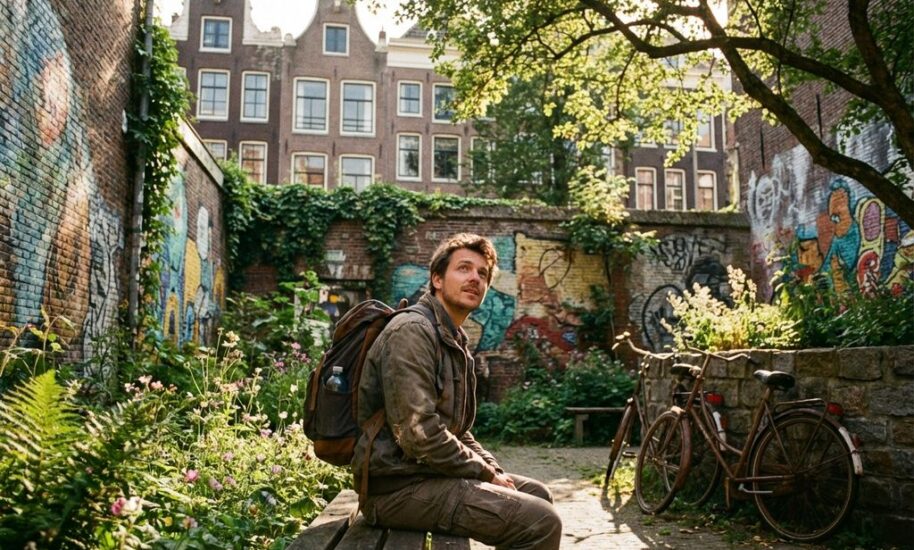
Amsterdam offers countless alternative activities beyond the famous museums and canal tours. From hidden neighbourhood gems and underground art scenes to local markets and community events, the city provides authentic experiences that reveal its true character. These alternatives allow visitors to connect with Amsterdam’s contemporary culture, discover secret spots locals frequent, and engage with the city’s creative energy in meaningful ways.
What are Amsterdam’s best-kept secrets that tourists rarely discover?
Amsterdam’s best-kept secrets include hidden courtyards called hofjes, underground venues in former bunkers, and neighbourhood parks where locals gather. The Begijnhof courtyard offers tranquil respite, while venues like Shelter host electronic music events in a former bunker beneath the IJ.
The city’s secret gardens provide peaceful escapes from tourist crowds. The Hortus Botanicus greenhouse complex houses rare plants and quiet reading spots. Meanwhile, the rooftop terrace at the Central Library offers panoramic city views without the queues of traditional observation decks.
Local hangouts cluster in neighbourhoods like De Pijp and Oud-West, where brown cafés serve as community living rooms. These traditional pubs, largely unchanged for decades, host conversations between locals and serve jenever alongside locally brewed beers. The Albert Cuyp Market area transforms after tourist hours into a vibrant local scene.
Underground culture thrives in repurposed spaces throughout the city. Former squats now operate as cultural centres, hosting experimental theatre, live music, and art exhibitions. These venues, often unmarked and discovered through word of mouth, showcase Amsterdam’s alternative creative scene.
How can you experience Amsterdam like a local instead of a tourist?
Experiencing Amsterdam like a local means adopting the daily rhythms and habits that residents follow. Start mornings at neighbourhood bakeries, cycle everywhere using designated bike paths, and shop at weekly markets where vendors know regular customers by name.
Local transportation habits differ significantly from tourist patterns. Residents often use GVB passes for trams and buses, but cycling remains the primary mode of transport. Rent a basic city bike rather than a tourist model, and learn to navigate bike traffic confidently. Locals park bikes casually and walk short distances rather than cycling everywhere.
Community events provide authentic cultural immersion. Neighbourhood festivals happen throughout summer, often centred around local squares or parks. King’s Day celebrations vary by district, with each area hosting its own flea markets and street parties. Locals participate in these hyperlocal celebrations rather than crowding the city centre.
Daily shopping patterns reveal local life. Visit Albert Heijn supermarkets for groceries, browse Saturday markets for fresh produce, and frequent neighbourhood specialty shops. Locals buy flowers weekly from street vendors and maintain relationships with shopkeepers in their immediate area.
Evening activities centre on local establishments rather than tourist venues. Residents gather in brown cafés for after-work drinks, attend cinema screenings at arthouse venues like Filmhuis Cavia, and participate in community activities such as neighbourhood book clubs or cycling groups.
What unique cultural activities does Amsterdam offer beyond museums and canals?
Amsterdam’s underground art scene operates in alternative venues and repurposed industrial spaces throughout the city. Former warehouses host experimental performances, while artist collectives run galleries in converted buildings, showcasing contemporary work that challenges traditional artistic boundaries.
Local music venues provide intimate experiences with both established and emerging artists. Café Central hosts jazz performances nightly, while venues like OT301 present electronic music events and experimental sound art. These spaces foster community connections between artists and audiences.
Cultural workshops allow hands-on participation in Amsterdam’s creative traditions. Pottery studios in the Jordaan offer classes in traditional Dutch ceramics, while cooking workshops focus on regional specialties beyond typical tourist fare. Participants learn techniques from local artisans and connect with like-minded individuals.
Food experiences extend far beyond restaurant dining. Underground supper clubs operate in private homes, offering multi-course meals prepared by local chefs. Food tours led by residents explore ethnic neighbourhoods, sampling Surinamese, Turkish, and Indonesian cuisines that reflect Amsterdam’s multicultural character.
Community theatres present performances in Dutch and multiple other languages, often addressing contemporary social issues. These venues encourage audience participation and discussion, creating dialogue around topics relevant to modern Amsterdam life.
Where can you find the most authentic local experiences in Amsterdam?
The most authentic local experiences concentrate in residential neighbourhoods like Amsterdam-Noord, Oost, and areas beyond the canal ring. These districts host community centres, local markets, and family-run businesses that serve neighbourhood residents rather than tourists.
Amsterdam-Noord, accessible by free ferry, contains former industrial areas transformed into creative spaces. NDSM Wharf hosts weekend markets, artist studios, and waterfront restaurants frequented by locals. The area maintains an authentic, slightly rough character that reflects working-class Amsterdam heritage.
Neighbourhood markets provide genuine local interaction. The Saturday market at Nieuwmarkt focuses on organic produce and artisanal goods, while weekday markets in residential areas serve practical daily needs. Vendors develop relationships with regular customers, creating community connections.
Local businesses in outer districts operate according to neighbourhood rhythms. Cafés in Oost serve as informal community centres where residents read newspapers, conduct business meetings, and socialise with neighbours. These establishments often close early and maintain traditional Dutch hospitality customs.
Community spaces like local libraries, sports clubs, and cultural centres welcome visitors interested in genuine participation. The public library system hosts language exchanges, cultural events, and community meetings. Sports clubs offer temporary memberships for activities such as football, cycling, or rowing.
Things to do in Amsterdam extend far beyond conventional attractions when you explore these authentic alternatives. The city’s real character emerges through participation in local life, whether discovering hidden cultural venues, adopting local habits, or engaging with community activities that showcase modern Amsterdam’s diverse, creative spirit.

