


 Wish list
What are Amsterdam’s peak and off-peak tourist seasons?
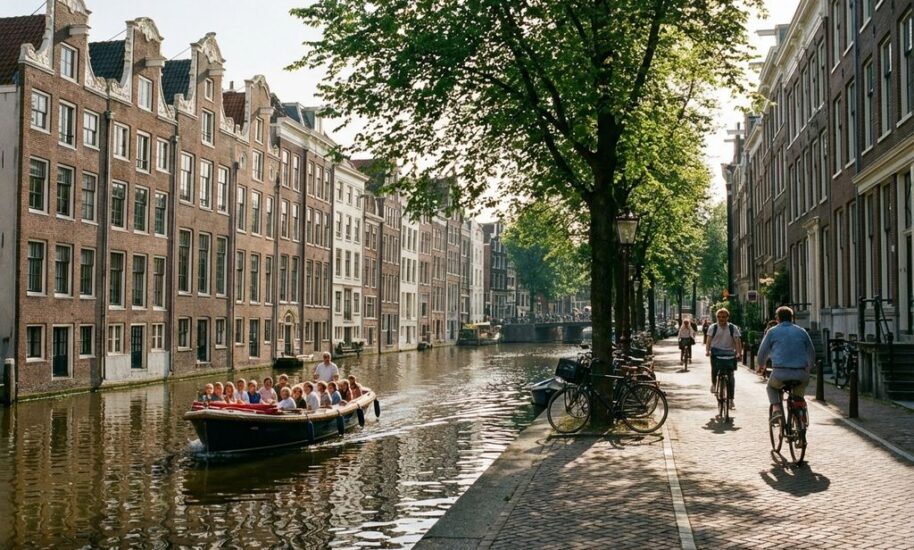
Amsterdam’s tourist seasons divide into peak months (April–September), when crowds and prices are highest, and off-peak months (October–March), which offer quieter experiences and better value. Peak season brings warm weather, blooming tulips, and major festivals, while off-peak provides authentic local experiences, shorter queues, and cosy winter charm. Each season offers distinct advantages depending on your travel preferences and priorities.
What are Amsterdam’s peak tourist seasons and why are they so busy?
Amsterdam’s peak tourist season runs from April through September, with the busiest months being May, June, July, and August. These months attract the highest visitor numbers due to warm weather, extended daylight hours, and the famous tulip-blooming season that draws travellers from around the world.
The spring tulip season (April–May) creates particularly intense crowds as visitors flock to see the colourful displays in nearby Keukenhof Gardens and tulip fields. The summer months offer the best weather for canal cruises, cycling tours, and the outdoor café culture that defines the Amsterdam experience. Major events like King’s Day (27 April), Amsterdam Dance Event (October), and numerous summer festivals further boost visitor numbers.
During peak season, you’ll encounter significant challenges, including fully booked accommodation months in advance, lengthy queues at popular museums like the Van Gogh Museum and the Anne Frank House, and crowded streets throughout the historic centre. Restaurant reservations become essential, and popular attractions often require advance booking to guarantee entry. This creates a bustling atmosphere that some travellers love, while others find it overwhelming when trying to explore Amsterdam’s neighbourhoods effectively.
When is Amsterdam’s off-peak season and what are the advantages?
Amsterdam’s off-peak season spans October through March, with January and February being the quietest months. This period offers numerous advantages, including significantly lower accommodation prices, minimal queues at major attractions, and authentic experiences with fewer tourist crowds disrupting daily local life.
Winter brings its own magical charm to Amsterdam. Canal houses twinkle with warm lights reflecting on the water, creating enchanting evening atmospheres perfect for romantic strolls. The city’s famous café culture thrives during the colder months, with cosy brown cafés (traditional pubs) offering refuge with traditional Dutch apple pie and warming drinks. Museums become havens for culture enthusiasts, providing comfortable spaces to explore world-class art collections without summer crowds.
Off-peak advantages extend beyond cost savings. You’ll experience Amsterdam more like locals do, with neighbourhood cafés, markets, and shops operating at a normal pace rather than at tourist-focused intensity. Restaurant reservations are easier to secure, cycling paths are less congested, and you’ll have better opportunities for spontaneous discoveries. This period suits travellers seeking authentic cultural immersion and those following comprehensive Amsterdam travel tips for budget-conscious exploration.
How does Amsterdam’s weather affect tourist seasons throughout the year?
Amsterdam’s temperate maritime climate directly influences visitor patterns, with weather conditions driving seasonal tourism fluctuations throughout the year. Mild summers (15–22°C) and relatively cold winters (2–7°C) create distinct experiences that appeal to different traveller preferences and activity types.
Spring weather (March–May) brings unpredictable conditions with occasional rain showers, but also the spectacular tulip blooms that make this period irresistible for many visitors. Summer offers the most reliable weather for outdoor activities like canal cruises, cycling tours through Amsterdam’s various districts, and terrace dining along the picturesque waterways.
Autumn (September–November) provides comfortable temperatures perfect for walking tours and museum visits, though increased rainfall begins to shift activities indoors. Winter transforms Amsterdam into a different city entirely, with dramatic canal scenes, cosy indoor attractions, and unique seasonal activities. While cycling remains popular year-round, winter visitors often prefer heated canal cruises and extensive museum exploration over outdoor walking tours.
Each season showcases different aspects of Amsterdam’s character. Summer highlights the outdoor café culture and canal-side living, while winter emphasises the city’s rich museum culture and traditional Dutch indoor hospitality. This seasonal variation ensures Amsterdam offers compelling experiences regardless of when you visit, making it an excellent Amsterdam travel guide destination throughout the year.
What’s the difference between visiting Amsterdam in peak vs off-peak seasons?
The contrast between peak and off-peak Amsterdam visits affects every aspect of your travel experience, from costs and crowds to available activities and local atmosphere. Peak season offers vibrant energy and optimal weather, while off-peak provides authentic experiences and practical advantages for budget-conscious travellers.
Accommodation costs can differ by 50–100% between seasons, with peak summer months commanding premium prices while winter offers exceptional value. Museum queues that stretch for hours during summer become virtually non-existent in winter months. Restaurant availability shifts dramatically: summer often requires advance reservations almost everywhere, while winter allows spontaneous dining discoveries.
The local atmosphere changes significantly between seasons. Peak season brings international energy with bustling streets, outdoor events, and tourist-focused activities dominating the city centre. Off-peak reveals Amsterdam’s authentic character, with locals reclaiming their neighbourhoods, traditional markets operating normally, and genuine cultural experiences more accessible to visitors.
Activity options vary seasonally but remain rich year-round. Summer excels for outdoor experiences like cycling tours, canal-side dining, and regional excursions to nearby tulip fields and traditional fishing villages. Winter emphasises indoor cultural attractions, cosy café experiences, and illuminated evening canal walks that showcase Amsterdam’s romantic winter charm. Both seasons offer complete Amsterdam travel guide experiences, each with different focuses and atmospheres suited to varying traveller preferences.

