


 Wish list
What are the best activities in Amsterdam in winter?
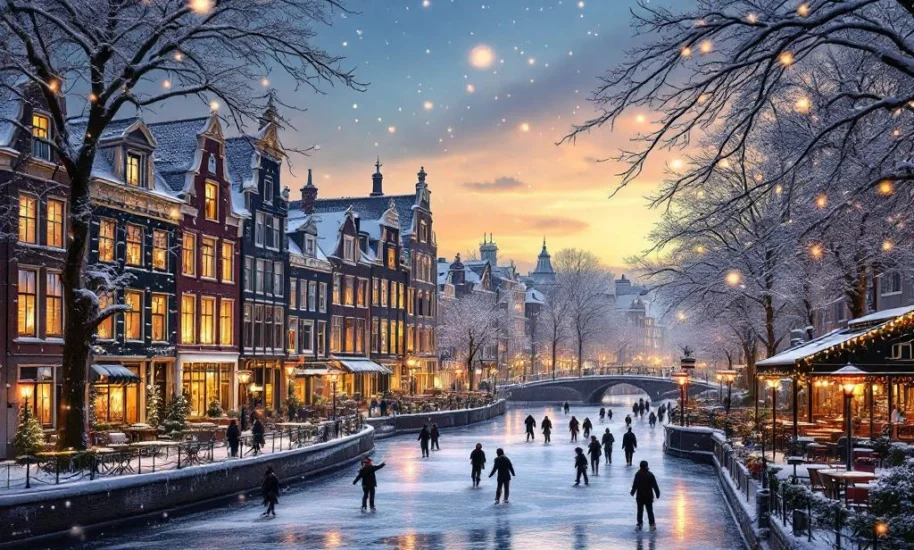
Amsterdam transforms into a magical winter destination offering unique experiences from December through February. The city’s canals can freeze into scenic ice paths, cosy brown cafés provide warm refuge, and world-class museums offer cultural enrichment away from summer crowds. Winter visitors discover authentic local life, festive markets, and heated canal cruises that showcase the city’s charm from a different perspective.
What makes Amsterdam special to visit during the winter months?
Amsterdam’s winter appeal lies in its authentic atmosphere and dramatically reduced tourist crowds. The city becomes more intimate between December and February, with locals reclaiming their neighbourhoods and visitors experiencing genuine Dutch culture rather than tourist-focused activities.
Winter weather in Amsterdam is mild but damp, with temperatures ranging from 2–6°C (36–43°F). Snow occasionally blankets the canal houses, creating postcard-perfect scenes, while the shorter daylight hours (around eight hours in December) create a cosy ambience enhanced by warm street lighting reflecting off the water.
The city’s transformation during the winter months offers several advantages. Museum queues disappear, restaurant reservations become easier to secure, and accommodation prices drop significantly compared with peak summer rates. This seasonal shift allows visitors to explore things to do in Amsterdam at a relaxed pace, engaging more meaningfully with attractions and local experiences.
Festive decorations illuminate the historic city centre from late November through January, while the famous canals occasionally freeze enough for ice skating. The winter atmosphere encourages exploration of Amsterdam’s indoor treasures, from centuries-old churches to contemporary art galleries, providing rich cultural experiences that summer visitors often miss in favour of outdoor activities.
Which indoor attractions should you prioritise when it’s cold outside?
Amsterdam’s world-renowned museums become winter sanctuaries offering hours of cultural immersion. The Rijksmuseum, Van Gogh Museum, and Stedelijk Museum form the Museum Quarter trio, providing comprehensive art experiences from Dutch Golden Age masterpieces to contemporary works.
The Anne Frank House remains Amsterdam’s most moving indoor experience, though advance booking is essential year-round. The Rembrandt House Museum offers intimate insight into the master’s life and workspace, while the Amsterdam Museum provides excellent city-history context for understanding what you observe as you explore.
Historic churches provide architectural wonder and peaceful refuge from winter weather. The Oude Kerk (Old Church) and Nieuwe Kerk (New Church) showcase stunning Gothic architecture and frequently host art exhibitions. The Westerkerk, where Rembrandt is buried, offers tower climbs on clear days for panoramic city views.
Traditional brown cafés (bruine kroegen) represent quintessential Dutch indoor culture. These historic pubs, darkened by centuries of pipe smoke, serve local beers and simple food in atmospheric settings. Café Hoppe, dating from 1670, and Café De Reiger exemplify authentic brown café experiences where locals gather throughout the winter months.
The Royal Concertgebouw presents world-class classical music performances, while the Eye Film Museum offers cinema experiences with stunning harbour views. These cultural venues provide sophisticated entertainment options that showcase Amsterdam’s artistic heritage beyond its famous museums.
How do canal cruises work in Amsterdam during winter?
Winter canal cruises operate in heated, enclosed boats with large windows providing panoramic views while protecting passengers from cold and rain. Most tour operators switch to covered vessels from November through March, ensuring comfortable experiences regardless of weather conditions.
Standard winter canal tours last 60–75 minutes, following routes through the historic canal ring (Grachtengordel) and major waterways. The enclosed boats typically accommodate 25–40 passengers, creating intimate group experiences that contrast with summer’s larger open-boat tours.
We offer specialised winter canal experiences in authentic Dutch salon boats, featuring comfortable seating, onboard refreshments, and German-language commentary that brings Amsterdam’s history to life. These heated vessels provide perfect vantage points for photographing snow-dusted canal houses and winter light reflecting off the water.
Booking considerations for winter canal cruises include flexible cancellation policies due to potential weather disruptions. However, tours operate in most conditions except severe storms or dangerous ice. The winter perspective offers unique photographic opportunities, with bare trees creating different canal-house silhouettes and occasional ice formations adding magical elements to the waterscape.
Evening cruises during the winter months showcase Amsterdam’s illuminated architecture and cosy café windows glowing warmly along the canals. These twilight tours, beginning around 5 p.m. due to early darkness, provide romantic experiences and highlight the city’s enchanting winter atmosphere that daylight tours cannot capture.
What are the best winter markets and festive events in Amsterdam?
Amsterdam’s Christmas markets create festive atmospheres throughout December, with the largest market surrounding the Royal Palace on Dam Square. This traditional market features wooden chalets selling seasonal crafts, Dutch treats, and warm beverages like glühwein and hot chocolate.
The Museumplein Winter Market operates from late November through January, combining holiday shopping with ice skating on the temporary rink installed between the major museums. This location offers convenient access to multiple things to do in Amsterdam, allowing visitors to combine cultural activities with festive experiences.
Vondelpark hosts winter festivals throughout the cold months, including outdoor cinema screenings in heated pavilions and seasonal food festivals celebrating Dutch winter cuisine. The park’s Blue Tea House provides warm refuge and serves traditional winter treats like oliebollen (Dutch doughnuts) and erwtensoep (split pea soup).
Ice-skating opportunities appear throughout the city when temperatures permit. Natural ice skating on the canals occurs rarely but creates magical experiences when conditions align. More reliable skating venues include the temporary rinks at Museumplein and Jaap Eden Ice Rink for guaranteed ice time regardless of the weather.
New Year’s Eve in Amsterdam features spectacular fireworks displays, though celebrations can be intense with widespread public firework use. Many visitors prefer organised events at hotels or restaurants for safer, more controlled New Year’s Eve experiences while still participating in the city’s festive energy.
Where can you find the cosiest spots to warm up in Amsterdam?
Traditional brown cafés provide the ultimate cosy refuge, with centuries-old interiors featuring dark wood, candlelit tables, and welcoming atmospheres perfect for escaping winter weather. These authentic Dutch pubs serve warming beverages and hearty local dishes in settings unchanged for generations.
Grand cafés offer more upscale warming experiences, with Café Américain in the American Hotel providing art deco elegance and excellent people-watching opportunities. These establishments serve full meals, quality wines, and sophisticated cocktails in heated, comfortable environments ideal for extended winter respite.
Coffeeshops (the legal cannabis variety) and traditional coffee houses both provide warm indoor spaces, though they serve different purposes. Regular coffee houses like Café Loetje or local roasters offer excellent coffee-culture experiences, while the city’s famous coffeeshops provide alternative relaxation options for interested visitors.
Indoor food markets, particularly the Foodhallen in the Oud-West district, create vibrant warming spaces with diverse dining options under one roof. These markets combine shopping, dining, and socialising in heated environments that encourage lingering during cold-weather exploration breaks.
Hotel bars and lounges welcome non-guests seeking sophisticated warming spots. The Dylan Hotel’s bar and the Conservatorium Hotel’s lobby provide luxurious environments for warming drinks and comfortable seating, often featuring fireplaces and elegant winter décor that enhance the cosy atmosphere.
How should you dress and prepare for winter sightseeing in Amsterdam?
Layered clothing works best for Amsterdam’s variable winter weather, with temperatures fluctuating between indoor heating and outdoor cold throughout sightseeing days. Waterproof outer layers are essential, as winter rain and occasional snow create wet conditions on cobblestone streets.
Footwear requires special consideration for Amsterdam’s historic cobblestone surfaces, which become slippery when wet or icy. Waterproof boots with good grip prevent slips while keeping feet dry during extended walking tours. Avoid smooth-soled shoes that provide inadequate traction on wet stones.
Essential items for winter exploration in Amsterdam include compact umbrellas for frequent light rain, portable phone chargers (cold weather drains batteries faster), and small backpacks for carrying layers as you move between heated indoor spaces and outdoor sightseeing.
Thermal underlayers provide crucial warmth without bulk, allowing comfortable movement through narrow museum corridors and historic building interiors. Wool or synthetic materials work better than cotton, which retains moisture and loses its insulating properties when damp.
Weather preparation includes checking daily forecasts, as Amsterdam’s maritime climate creates rapidly changing conditions. Flexible planning allows adaptation to weather changes, with indoor backup activities ready when outdoor exploration becomes uncomfortable. Many attractions offer cloakroom facilities for storing heavy coats during visits, making layered dressing strategies particularly effective for winter sightseeing in Amsterdam.
Winter in Amsterdam rewards prepared visitors with authentic experiences, cultural richness, and intimate city exploration impossible during crowded summer months. The combination of world-class indoor attractions, cosy local establishments, and unique winter activities creates memorable visits that showcase the city’s true character beyond its famous summer appeal.

