


 Wish list
What are the best activities in Amsterdam’s Red Light District?
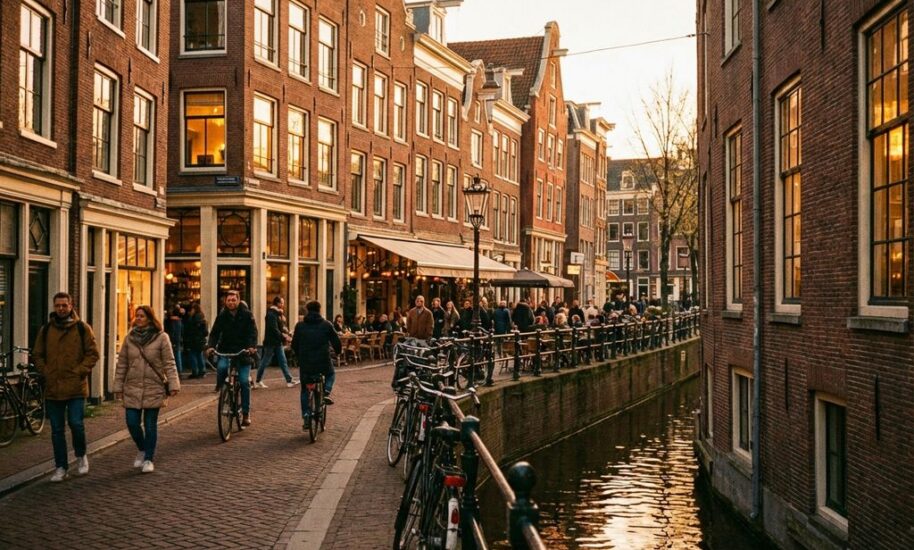
Amsterdam’s Red Light District offers a fascinating blend of history, culture, and entertainment beyond its famous reputation. This historic neighbourhood features world-class museums, centuries-old architecture, vibrant cafés, and guided tours that reveal the area’s rich cultural heritage. Understanding what to do here helps visitors appreciate both its historical significance and modern attractions while exploring respectfully.
What exactly is Amsterdam’s Red Light District and why is it famous?
Amsterdam’s Red Light District, known locally as De Wallen, is the city’s oldest and most historic neighbourhood, famous for its legal sex work displayed behind red-lit windows. Located in the heart of Amsterdam’s city centre, this area dates back to the 12th century and became a designated red-light area in the 1960s when prostitution was legalised and regulated.
The district encompasses narrow medieval streets, picturesque canals, and centuries-old buildings that house everything from historic churches to modern coffee shops. Beyond its reputation for adult entertainment, De Wallen contains some of Amsterdam’s most significant cultural landmarks, including the oldest building in the city and numerous museums.
The area’s fame stems from its unique approach to sex work regulation, making it a curiosity for visitors worldwide. However, many people don’t realise that the Red Light District is also a thriving residential and cultural neighbourhood where locals live, work, and socialise daily. The juxtaposition of historic architecture, cultural attractions, and regulated adult entertainment creates an atmosphere unlike anywhere else in the world.
This historic quarter represents Amsterdam’s pragmatic approach to social issues and its commitment to harm reduction, making it both a tourist attraction and a functioning part of the city’s social fabric.
What are the main attractions and activities you can actually do in the Red Light District?
The Red Light District offers numerous legitimate attractions, including the Red Light Secrets museum, Casa Rosso theatre, the historic Oude Kerk church, and countless traditional brown cafés and restaurants. Visitors can explore art galleries, take guided walking tours, visit coffee shops, and experience Amsterdam’s oldest neighbourhood through cultural and historical activities.
Among the most popular things to do Amsterdam offers in this district, the Red Light Secrets museum provides an educational look at the area’s history and the reality of sex work. The museum offers visitors insight into the daily life and working conditions of sex workers through interactive exhibits and authentic recreations.
The Oude Kerk (Old Church), Amsterdam’s oldest building, dating from 1213, stands prominently in the district’s centre. This stunning Gothic church regularly hosts art exhibitions, concerts, and cultural events, creating an interesting contrast with its surroundings. The church’s peaceful interior and beautiful stained-glass windows offer a moment of tranquillity.
Cultural enthusiasts can visit the Amsterdam Museum Amstelkring, a hidden 17th-century Catholic church in the attic of a canal house. This remarkable museum showcases how Catholics practised their faith secretly during Protestant rule.
The district’s numerous brown cafés (traditional Dutch pubs) provide an authentic local atmosphere where visitors can enjoy Dutch beer, traditional snacks, and conversation with locals. Many of these establishments have operated for centuries and maintain their historic character.
Guided walking tours offer the best way to understand the area’s complex history, architecture, and current social dynamics while navigating respectfully through this unique neighbourhood.
How do you navigate the Red Light District safely and respectfully as a tourist?
Navigate the Red Light District respectfully by avoiding photography of sex workers, staying aware of your surroundings, keeping valuables secure, and treating the area as a working neighbourhood where people live and earn their livelihood. Respect local customs, avoid blocking doorways, and remember this is someone’s workplace and home.
Photography rules are crucial to understand and follow. Taking photos of sex workers behind windows is strictly prohibited and can result in confrontation or having your camera confiscated. Focus your photography on the historic architecture, canals, and general street scenes instead.
Personal safety requires standard urban awareness. Keep your wallet and phone secure, stay in well-lit areas, and avoid displaying expensive items. The area is generally safe due to heavy foot traffic and police presence, but pickpocketing can occur in crowded areas.
Respectful behaviour means remembering that sex workers are professionals doing their job. Don’t stare, point, or make inappropriate comments. If you’re not interested in their services, simply walk past politely. The same respect applies to local residents who call this neighbourhood home.
Avoid blocking doorways, windows, or narrow passages, as this disrupts both business and daily life for residents. The streets can become very crowded, especially during evenings and weekends, so be patient and courteous when navigating through groups.
Consider joining a guided tour with knowledgeable local guides who can provide context, ensure respectful navigation, and share insights about the area’s history and current social dynamics that you might miss when exploring independently.
What’s the best time to visit the Red Light District for different types of experiences?
Visit during daytime (10am–4pm) for cultural attractions, museums, and historic sites with fewer crowds and a more relaxed atmosphere. Evening visits (7pm–11pm) offer the full red-light experience with bustling nightlife, but expect larger crowds. Late-night visits become more intense and crowded, particularly on weekends.
Daytime exploration provides the ideal environment for appreciating the district’s historic architecture and cultural attractions. Museums, churches, and galleries operate normal hours, and you can photograph the beautiful medieval buildings and canals without the distraction of crowds or neon lighting.
The area takes on a completely different character during daylight hours, revealing its role as a genuine residential neighbourhood where locals shop, work, and go about daily activities. Coffee shops and traditional cafés offer a more relaxed experience for those interested in sampling local culture.
Evening visits between 7pm and 11pm provide the classic Red Light District experience with illuminated windows, bustling nightlife, and the area’s famous atmosphere. This timeframe offers the best balance between experiencing the district’s renowned character while maintaining manageable crowd levels.
Weekday evenings tend to be less crowded than weekends, making navigation easier and providing a more comfortable experience for first-time visitors. The lighting and activity create the iconic atmosphere many visitors expect while still allowing for respectful exploration.
Late-night visits after 11pm, particularly on Friday and Saturday nights, attract party crowds and can become quite intense. While this provides the most authentic nightlife experience, it’s less suitable for cultural exploration or for those seeking a more educational visit to this historic neighbourhood.
The Red Light District offers diverse experiences depending on your interests and comfort level. Whether you’re drawn to its rich history, cultural attractions, or unique social atmosphere, approaching your visit with respect and understanding enhances the experience for everyone. Consider joining a guided tour to gain deeper insights into this complex and fascinating neighbourhood that represents much more than its famous reputation suggests.

