


 Wish list
What are the do’s and don’ts of visiting Amsterdam’s museums?
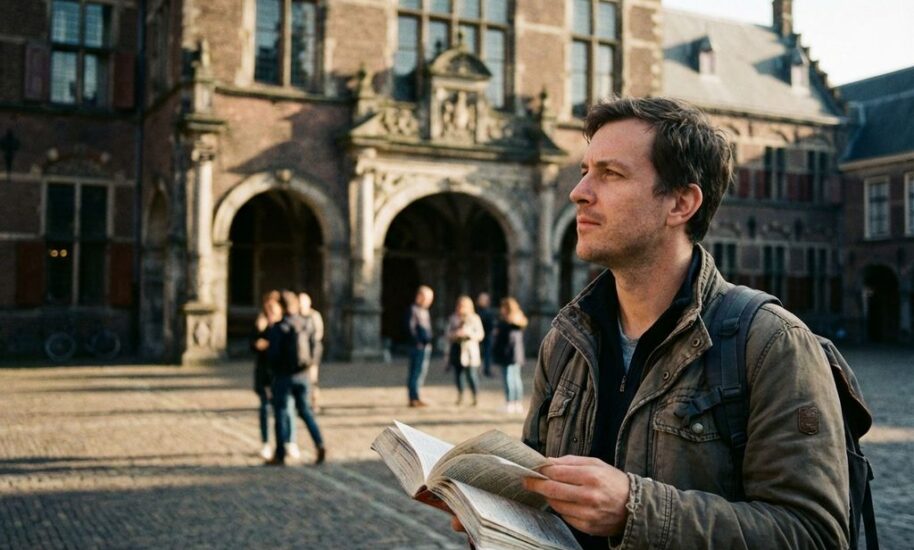
Visiting Amsterdam’s world-class museums requires careful planning and proper etiquette to maximise your experience. Book tickets in advance for popular venues like the Rijksmuseum, Van Gogh Museum, and Anne Frank House, as they often sell out. Follow photography rules, maintain respectful noise levels, and allow ample time to appreciate the collections without rushing through exhibits.
What should you know before booking tickets to Amsterdam’s museums?
Book tickets online at least 2–3 weeks in advance for Amsterdam’s major museums, especially during peak season (April–September) and on weekends. The Anne Frank House, Van Gogh Museum, and Rijksmuseum frequently sell out, with same-day tickets rarely available. Digital tickets are more convenient and environmentally friendly than physical ones.
Consider purchasing combination tickets like the I amsterdam City Card or Museumkaart if you plan to visit multiple venues. These passes often include skip-the-line access and can save money for visitors exploring several museums. The City Card also covers public transport, making it excellent value for comprehensive Amsterdam travel guide planning.
Avoid peak visiting hours between 11am and 3pm, when tour groups and families crowd the galleries. Early morning slots (9–10am) or late afternoon visits (after 3pm) offer a more peaceful experience with better photo opportunities and easier navigation through popular exhibits.
Check each museum’s specific policies regarding bag storage, as many require large bags and backpacks to be stored in lockers. Some venues charge for storage, so plan accordingly and bring only essential items to streamline your entry process.
What are the essential etiquette rules inside Amsterdam’s museums?
Photography policies vary significantly between museums – the Van Gogh Museum prohibits all photography, while the Rijksmuseum allows photos without flash in most areas. Always check signage and ask staff if unsure, as violating photo rules can result in immediate ejection from the premises.
Maintain a respectful distance from artwork and never touch exhibits, even if they appear unprotected. Museum sensors are often invisible, and oils from skin can damage centuries-old masterpieces. Keep conversations at whisper level, particularly in smaller galleries where sound carries easily.
Give other visitors space to appreciate artworks by avoiding lingering directly in front of popular pieces during busy periods. Step aside after viewing to allow others access, and be mindful of wheelchair users and families with children who may need extra room to manoeuvre.
Turn off phone ringers and avoid taking calls inside galleries. If you must answer an urgent call, step into the lobby or designated areas. Museum staff are knowledgeable resources – approach them politely with questions rather than attempting to touch or closely examine restricted items.
How do you make the most of your limited time in Amsterdam’s major museums?
Plan 2–3 hours for major museums like the Rijksmuseum or Van Gogh Museum to avoid rushing through world-renowned collections. Focus on must-see highlights first – Rembrandt’s Night Watch, Van Gogh’s Sunflowers, or Vermeer’s Milkmaid – then explore secondary interests if time permits.
Download museum apps or rent audio guides to enhance your understanding without slowing your pace. These tools provide context that transforms viewing from passive observation to engaging learning. Many Amsterdam travel tips recommend starting with the museum’s suggested route to ensure you see key pieces efficiently.
Take strategic breaks in museum cafés or courtyards to prevent fatigue, which diminishes appreciation of later exhibits. Museum burnout is real – your brain processes visual information intensively, so short rests actually improve retention and enjoyment of subsequent galleries.
Visit during weekday mornings when possible, as Amsterdam neighbourhoods guide research shows these times offer the most comfortable viewing conditions. If you’re exploring multiple museums over several days, alternate intensive art museums with lighter cultural sites to maintain enthusiasm throughout your stay.
What common mistakes do first-time visitors make at Amsterdam museums?
Underestimating visit duration leads to rushed experiences and missed highlights. Many visitors allocate only one hour for major museums, which is insufficient time to appreciate world-class collections properly. This rushing prevents the contemplative engagement that makes museum visits memorable and educational.
Wearing inappropriate footwear causes discomfort during extended walking on hard museum floors. Comfortable, quiet shoes are essential – avoid high heels that click loudly or new shoes that haven’t been broken in. Museums involve considerable standing and walking, often for 2–3 hours continuously.
Failing to research museum layouts beforehand results in inefficient navigation and missed exhibits. Study floor plans online to identify priority pieces and plan logical routes. Many visitors discover they’ve missed entire wings or famous works only when reviewing their experience later.
Bringing prohibited items like large bags, food, or drinks causes delays at security and potential storage fees. Review each museum’s specific restrictions before arrival, as policies differ significantly. Some venues are stricter than others about water bottles, cameras, and personal belongings, which can affect your entry experience.
Amsterdam’s museums offer unparalleled cultural experiences when approached thoughtfully. Proper preparation, respectful behaviour, and realistic time allocation ensure you’ll fully appreciate these world-renowned collections. Consider joining a cultural walking tour through Amsterdam’s historic centre to gain context about the city’s artistic heritage before diving into its magnificent museums. This background knowledge enriches your understanding of the masterpieces you’ll encounter and helps you navigate Amsterdam’s rich cultural landscape with confidence.

