


 Wish list
What are the main streets in Amsterdam’s historic center?
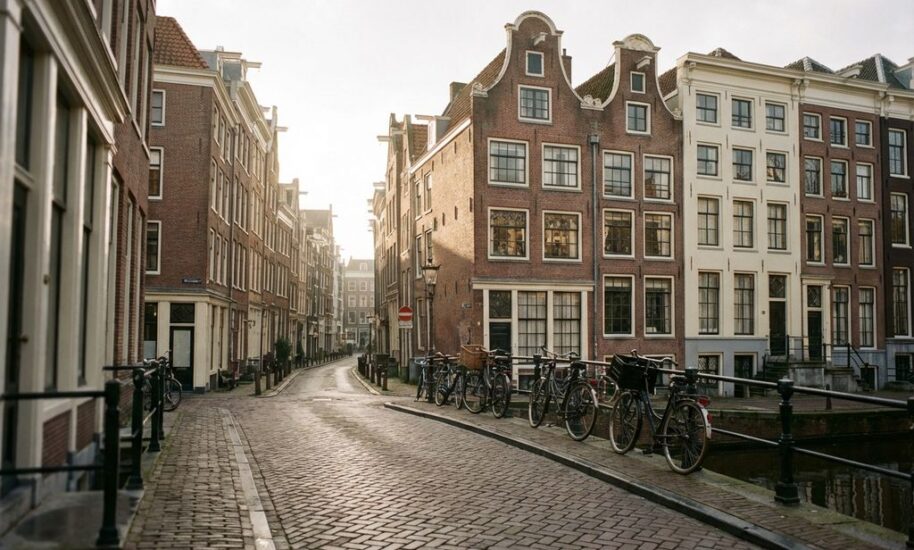
Amsterdam’s historic center features several main streets that form the backbone of the city’s walkable urban layout. The most important include commercial arteries like Kalverstraat and Nieuwendijk for shopping, iconic canal streets such as Herengracht, Prinsengracht, and Keizersgracht that define the city’s character, plus connecting routes that link different districts. These streets create an interconnected network perfect for exploring Amsterdam attractions on foot.
What makes Amsterdam’s historic center so special and walkable?
Amsterdam’s historic center stands out because of its unique concentric canal ring system, compact size, and pedestrian-friendly design that makes walking both practical and enjoyable. The UNESCO World Heritage district spans just 2.5 square kilometres, allowing you to explore major Amsterdam attractions within comfortable walking distance.
The city’s 17th-century layout features three main canal rings (Herengracht, Prinsengracht, and Keizersgracht) that form semicircles around the medieval core. This design creates natural walking routes that connect different neighbourhoods while offering stunning canal views at every turn. The flat terrain and well-maintained pavements make navigation easy for visitors of all ages.
What makes this area particularly special is how it balances historical preservation with modern functionality. The narrow streets and limited car access in many areas prioritise pedestrians, creating a peaceful atmosphere despite being in a major European capital. When planning your Amsterdam itinerary, you’ll find that most major sights lie within a 15-minute walk of each other, making it perfect for exploring with expert local guidance.
The UNESCO World Heritage status, granted in 2010, recognises the exceptional preservation of this 400-year-old urban landscape. As you walk through the historic center, you’ll encounter over 1,500 protected monuments, charming bridges, and architectural gems that tell the story of Amsterdam’s Golden Age prosperity.
Which are the most important shopping and commercial streets in central Amsterdam?
The main shopping streets in Amsterdam’s historic center are Kalverstraat, Nieuwendijk, and Leidsestraat, which serve as the primary commercial arteries connecting different parts of the old city. These pedestrian-friendly streets house major retail chains, department stores, and local shops that cater to both tourists and residents.
Kalverstraat runs north–south through the heart of the historic center, stretching from Dam Square to Muntplein. This bustling pedestrian street features popular international brands like H&M, Zara, and Mango, alongside Dutch department stores. It’s one of the busiest shopping areas and connects seamlessly with other commercial districts.
Nieuwendijk extends northward from Dam Square towards Central Station, offering a mix of souvenir shops, casual dining, and affordable retail options. This street particularly appeals to visitors looking for typical Dutch products and quick meals while exploring Amsterdam activities.
Leidsestraat connects the canal ring to Leidseplein, featuring upscale boutiques, bookshops, and specialty stores. This street offers a more refined shopping experience compared to the busier commercial areas, with several historic buildings housing unique local businesses that showcase Amsterdam’s vibrant culture.
These commercial streets intersect with smaller shopping lanes like Rokin and Spui, creating a comprehensive retail network. The Nine Streets (De Negen Straatjes) area, located between the main canals, offers boutique shopping in a more intimate setting with vintage stores, designer shops, and cosy cafés.
What are the famous canal streets that define Amsterdam’s character?
The three main canal streets – Herengracht, Prinsengracht, and Keizersgracht – form the backbone of Amsterdam’s historic center and represent the city’s Golden Age grandeur. These waterways, lined with 17th-century merchant houses, create the iconic Amsterdam cityscape that defines the city’s architectural identity.
Herengracht, known as the “Gentlemen’s Canal,” showcases the most prestigious merchant mansions from the 1600s. The stretch between Leidsestraat and Vijzelstraat, called the “Golden Bend,” features particularly impressive facades with ornate gables and grand entrances. Walking along Herengracht offers glimpses into Amsterdam’s wealthy trading past.
Prinsengracht, the longest of the three main canals, houses some of Amsterdam’s most famous landmarks, including the Anne Frank House and Westerkerk. This canal maintains a more residential character while offering excellent examples of different architectural periods. Many houseboats line this waterway, adding to its authentic Amsterdam atmosphere.
Keizersgracht, the “Emperor’s Canal,” strikes a balance between grandeur and liveability. It features beautiful 17th- and 18th-century architecture alongside modern amenities, making it perfect for understanding how Amsterdam blends historical preservation with contemporary life.
These canal streets connect through smaller waterways like Singel and Reguliersgracht, creating a network that’s perfect for walking tours. The consistent architectural style, punctuated by charming bridges and tree-lined banks, makes these streets essential stops on any Amsterdam itinerary. Each canal offers different perspectives on the city’s development and provides natural routes for exploring various neighbourhoods.
How do you navigate between Amsterdam’s main historic streets efficiently?
Navigating Amsterdam’s historic streets becomes straightforward once you understand the concentric canal system and use key landmarks for orientation. The main canals run in semicircular patterns around the old center, while major streets like Kalverstraat and Rokin provide north–south connections that link different areas efficiently.
Start by identifying major landmarks that serve as navigation anchors: Dam Square sits at the heart of the historic center, Central Station marks the northern boundary, and Leidseplein indicates the southern entertainment district. These reference points help you maintain direction while exploring the winding streets.
The canal ring system provides natural walking routes. Moving outward from the center, you’ll encounter Singel, then Herengracht, Keizersgracht, and Prinsengracht. Walking along any canal will eventually bring you to connecting streets that lead to other areas. This pattern makes it nearly impossible to get seriously lost.
For efficient route planning, use the main connecting streets: Kalverstraat for north–south movement through the commercial center, Damrak and Rokin for routes between Central Station and the southern districts, and Leidsestraat for accessing the museum quarter from the historic center.
Bridge crossings offer excellent orientation opportunities. Most bridges provide clear views in multiple directions, helping you identify your location relative to major landmarks. The numbered bridge system (though not always visible) follows logical patterns that locals use for navigation.
When planning Amsterdam tours or self-guided walks, group attractions by area rather than trying to see everything in strict geographical order. The compact size means you can easily return to areas that interest you, and the interconnected street system ensures multiple routes between any two points.
Amsterdam’s historic center rewards exploration through its interconnected network of canal streets and commercial arteries. Understanding how Herengracht, Prinsengracht, and Keizersgracht connect with shopping streets like Kalverstraat creates the foundation for efficient navigation. Whether you’re planning Amsterdam activities independently or joining guided city tours, these main streets provide the perfect framework for discovering the city’s rich history, stunning architecture, and vibrant culture. We offer comprehensive walking tours that showcase these historic streets and help you appreciate the stories behind Amsterdam’s most beautiful canal houses and bustling commercial districts, with personalized experiences tailored to your interests.

