


 Wish list
What are the peak tourist seasons in Amsterdam?
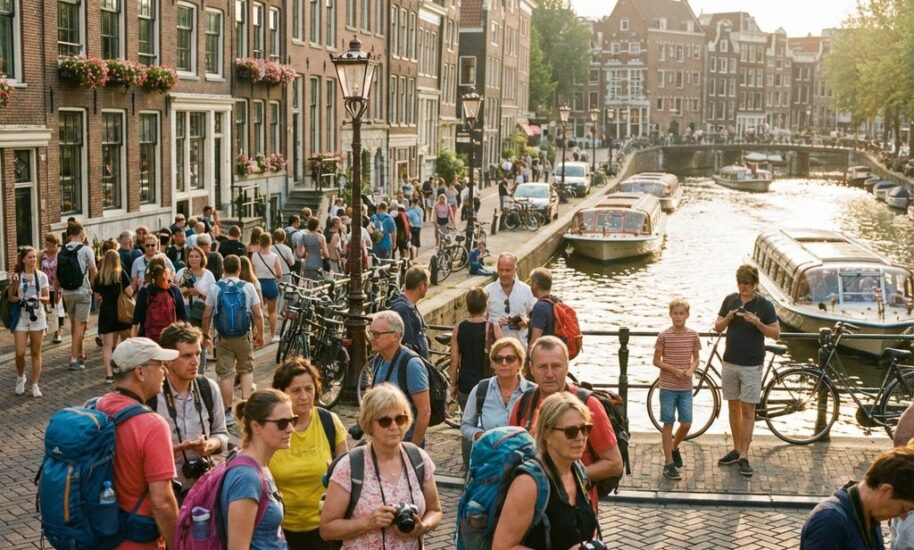
Amsterdam experiences three distinct tourist seasons throughout the year, each offering different advantages and challenges for visitors. High season runs from April through October with warm weather and long days, while shoulder seasons in March and November provide moderate crowds and pleasant conditions. Low season spans December through February, offering the most authentic local experience with fewer tourists and lower prices.
What are Amsterdam’s main tourist seasons and when do they occur?
Amsterdam has three clearly defined tourist seasons that align with weather patterns and European holiday schedules. High season extends from April to October, featuring the warmest temperatures, longest daylight hours, and peak tourist activity. Shoulder seasons occur in March and November, offering transitional weather with moderate visitor numbers. Low season covers December through February, bringing shorter days and cooler temperatures but significantly fewer crowds.
During high season, you’ll experience Amsterdam’s famous mild summers with temperatures ranging from 15–22°C (59–72°F). Daylight extends until 9 PM in summer months, giving you maximum time to explore Amsterdam attractions and participate in outdoor Amsterdam activities. This period coincides with European summer holidays and international peak travel times.
Shoulder seasons provide comfortable temperatures around 8–15°C (46–59°F) with moderate rainfall. March brings spring blooms and longer days, while November offers autumn colours before winter sets in. These months work well for Amsterdam tours as the weather remains pleasant for walking and cycling.
Low season temperatures hover between 2–8°C (36–46°F) with the shortest daylight hours from 8 AM to 4 PM in December and January. Despite cooler weather, this season offers the most authentic Amsterdam experience, with locals outnumbering tourists throughout the city.
When is Amsterdam most crowded and expensive to visit?
July and August represent Amsterdam’s absolute peak season, with maximum crowds and the highest prices for accommodation and Amsterdam tours. April and May also see intense crowding due to favourable weather, tulip season, and King’s Day celebrations. During these months, hotel rates can triple compared to low season, and popular Amsterdam attractions require advance booking.
King’s Day on April 27th creates the year’s most intense crowding, with over one million visitors joining locals for street parties and markets. The weeks surrounding this national holiday see accommodation prices surge and availability disappear months in advance. Summer festivals from June through August add additional pressure on hotel capacity and restaurant reservations.
Specific weeks to avoid for budget-conscious travellers include the last week of April (King’s Day period), mid-July through mid-August (European summer holidays), and the first week of May (multiple European bank holidays). During peak summer weekends, popular neighbourhoods become so crowded that walking becomes difficult, and restaurant wait times extend beyond two hours.
Hotel prices during peak season typically run 200–300% higher than low season rates. Popular Amsterdam activities like canal cruises and museum visits require booking several days in advance, with same-day availability nearly impossible for major attractions during summer months.
What’s the best time to visit Amsterdam for fewer crowds?
January through February and November through December offer the most peaceful Amsterdam experience with minimal tourist crowds and an authentic local atmosphere. During these months, you’ll find shorter queues at museums, easier restaurant reservations, and more opportunities to interact with locals who aren’t overwhelmed by constant tourist activity.
Low season advantages include immediate availability for popular Amsterdam attractions without advance booking. Museums like the Rijksmuseum and the Van Gogh Museum have minimal wait times, allowing you to explore at your own pace. Restaurants that require weeks-long reservations in summer often have same-day availability during winter months.
November provides particularly good value, combining reasonable weather with significantly reduced crowds as summer tourists depart but winter holiday visitors haven’t yet arrived. You’ll experience Amsterdam as locals do, with cafés full of residents rather than tourists, and neighbourhood markets serving community needs rather than souvenir hunters.
Winter months offer unique advantages for your Amsterdam itinerary, including Christmas markets, ice skating, and cosy café culture that thrives during colder weather. Many locals prefer winter in Amsterdam for its intimate atmosphere and the way the city’s historic architecture looks particularly stunning under winter light.
How do Amsterdam’s tourist seasons affect activities and attractions?
Seasonal changes dramatically impact which Amsterdam activities work best and what experiences you can expect throughout the year. Canal boat tours operate year-round but provide completely different experiences, from sunny summer cruises with open-air seating to cosy winter tours in heated glass boats. Outdoor markets flourish during warm months but reduce hours and vendor numbers during winter.
Cycling conditions vary significantly by season, with summer offering ideal weather for exploring Amsterdam’s famous bike paths, while winter cycling requires proper gear and caution on potentially icy surfaces. Many visitors avoid cycling during December and January due to shorter daylight hours and unpredictable weather conditions.
Museum crowds follow predictable seasonal patterns, with summer requiring timed-entry tickets and advance planning, while winter allows spontaneous visits. Popular Amsterdam attractions like the Anne Frank House maintain year-round demand, but summer visitors face longer waits and more crowded exhibitions.
Seasonal attractions add variety to your Amsterdam itinerary depending on your visit timing. Spring brings tulip gardens and outdoor festivals, summer offers rooftop bars and canal-side dining, autumn provides harvest markets and cultural events, while winter features Christmas markets and ice-skating rinks.
Indoor activities become more appealing during colder months, making winter ideal for museum-focused visits, brewery tours, and exploring Amsterdam’s famous café culture. Summer emphasises outdoor experiences like park picnics, canal swimming, and street festivals that showcase the city’s vibrant outdoor life.
Planning your Amsterdam visit around tourist seasons helps you choose the right balance of weather, crowds, and available activities for your preferences. Whether you prioritise favourable weather and full activity access or prefer authentic local experiences with fewer crowds, understanding these seasonal patterns helps you create the ideal Amsterdam itinerary. For expert insights on making the most of your visit, check out our Amsterdam tips that adapt to seasonal highlights. We also offer year-round cultural walking tours that showcase the city’s best features regardless of when you visit. If you need personalized advice for planning your trip, don’t hesitate to contact us for recommendations tailored to your travel dates and interests.

