


 Wish list
What are the pros and cons of staying in Amsterdam’s city center?
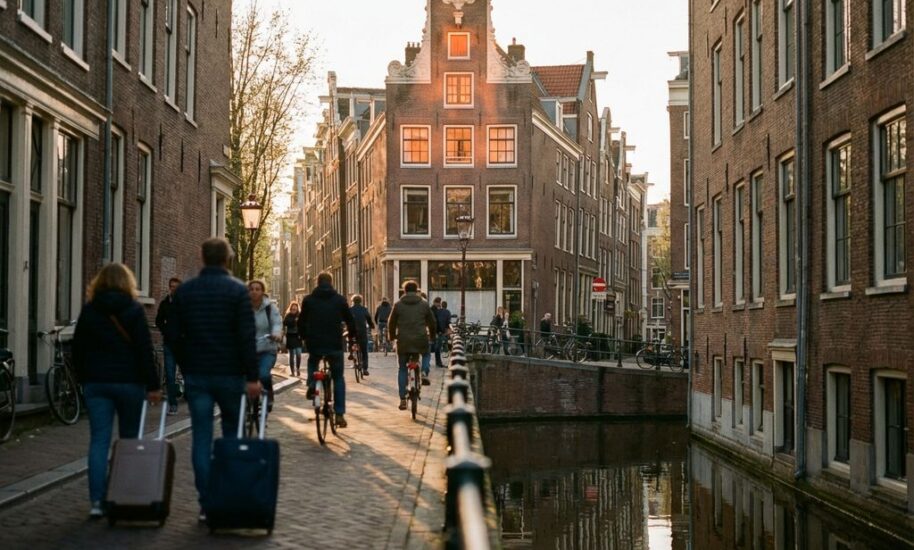
Staying in Amsterdam’s city centre offers unparalleled convenience for exploring major attractions, dining, and nightlife within walking distance. However, this prime location comes with trade-offs, including higher costs, tourist crowds, and increased noise levels. The choice depends on your priorities, budget, and tolerance for busy urban environments during your Amsterdam trip.
What exactly counts as Amsterdam’s city centre, and why does location matter?
Amsterdam’s city centre encompasses the historic Centrum district, including the famous Canal Ring (Grachtengordel), Dam Square, and neighbourhoods like Nieuwmarkt and the Red Light District. This UNESCO World Heritage area forms the heart of Amsterdam within the A10 ring road.
Location significantly impacts your Amsterdam experience, especially for first-time visitors. Staying centrally means you’re within walking distance of iconic sights like the Royal Palace, Nieuwe Kerk, and the historic Begijnhof – a hidden courtyard that’s one of the city’s most treasured secrets. The compact nature of the city centre allows you to experience centuries of history simply by strolling past the crooked canal houses and crossing Amsterdam’s numerous bridges.
Your choice of accommodation affects everything from daily transport costs to spontaneous evening plans. Being centrally located means you can easily join walking tours that start from Dam Square, where Amsterdam originally developed, or catch canal cruises that depart from various central points throughout the day.
What are the main advantages of staying in Amsterdam’s city centre?
The primary benefits include immediate access to major attractions, extensive dining options, vibrant nightlife, and excellent public transport connections. You can walk to most must-see sights within 10–15 minutes from almost any central accommodation.
Walking tours and canal cruises typically start from central locations like Dam Square or nearby departure points, making it incredibly convenient to join guided experiences. You’ll find yourself steps away from the Westerkerk, the sublime landmark of the Jordaan district, and can easily explore the beautiful canals with their characteristic crooked houses that define Amsterdam’s charm.
The concentration of restaurants, from traditional Dutch eateries to international cuisine, means you’ll never struggle to find somewhere to eat. Evening entertainment is equally accessible, whether you’re interested in theatre performances, cosy brown cafés, or the bustling nightlife around Leidseplein and Rembrandtplein.
Public transport connections are excellent, with tram and metro lines converging in the centre, making day trips to attractions like the Van Gogh Museum or Anne Frank House effortless. This convenience is particularly valuable for short visits when making the most of your time is crucial.
What are the biggest drawbacks of choosing city centre accommodation?
The main disadvantages include significantly higher accommodation costs, constant noise from tourists and nightlife, overcrowded streets, extremely limited parking, and typically smaller room sizes compared with properties in quieter neighbourhoods.
Noise levels can be particularly challenging, especially around popular areas like Dam Square and the Red Light District. The combination of street performers, late-night revellers, and early-morning delivery trucks creates a 24-hour soundscape that light sleepers may find disruptive.
Tourist saturation means you’ll constantly navigate crowded pavements and wait longer for restaurant tables, especially during peak season. Popular photo spots along the canals can become frustratingly busy, making it difficult to enjoy Amsterdam’s beauty in peace.
Parking is both expensive and scarce, with daily rates often exceeding €50. Many central streets prohibit car access entirely, and finding a parking space can consume hours of your valuable time in Amsterdam. Room sizes tend to be smaller due to the historic nature of canal houses, which weren’t designed for modern hotel standards.
How much more expensive is staying in Amsterdam’s city centre?
City centre accommodation typically costs 30–50% more than comparable properties in outer neighbourhoods. Budget hotels in the centre start at around €80–120 per night, while similar-quality accommodation in areas like Amsterdam Noord or Oost begins at €50–80.
Mid-range canal house hotels in prime locations command €150–250 per night, compared with €100–180 in neighbourhoods like De Pijp or the quieter parts of the Jordaan. Luxury central properties often exceed €300 per night, while equivalent quality in residential areas typically ranges from €200–280.
Peak-season pricing (April–October) amplifies these differences further. During tulip season and the summer months, central accommodation can cost 60–80% more than off-season rates, while outer neighbourhoods see more modest increases of 30–40%.
Consider your total Amsterdam travel budget when evaluating costs. Higher accommodation expenses might be offset by reduced transport costs and the convenience of walking to attractions rather than purchasing day passes for public transport.
What are the best alternatives to staying in Amsterdam’s city centre?
Excellent alternatives include the Jordaan district for an authentic local atmosphere, De Pijp for trendy dining and markets, and Oud-Zuid for proximity to museums and upscale residential charm. Each offers distinct advantages while maintaining good connections to central attractions.
The Jordaan, particularly its quieter residential streets away from the main tourist routes, provides an authentic Amsterdam experience. You’ll find small, cosy streets with great shops, bars, and restaurants, plus beautiful canals like Bloemgracht and Brouwersgracht. This former working-class neighbourhood maintains its idyllic flair while offering easy walking access to the centre.
De Pijp appeals to visitors seeking Amsterdam’s contemporary culture, with the famous Albert Cuyp Market providing daily local atmosphere. The neighbourhood offers excellent-value accommodation, with tram connections reaching the city centre in 10–15 minutes.
Amsterdam Noord presents a unique mix of modern and cultural hotspots in a beautiful setting along the IJ waterway. While it requires a short ferry ride to reach the centre, it offers significantly lower accommodation costs and a completely different perspective on Amsterdam life.
Consider your priorities when choosing alternatives. If you plan extensive museum visits, Oud-Zuid near Museumplein might suit you better than staying centrally and commuting daily to cultural attractions.

