


 Wish list
What are the unwritten social rules in Amsterdam cafes?
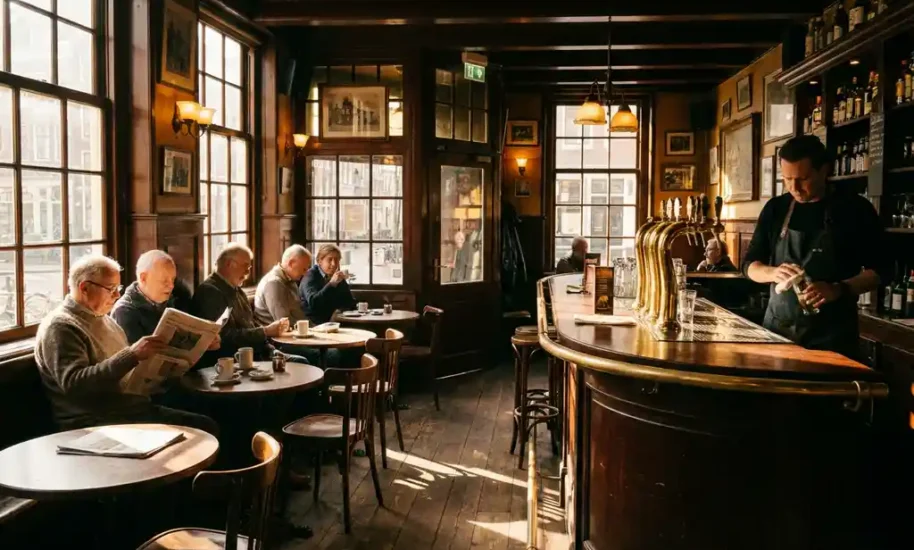
Amsterdam cafes operate under distinct social expectations that differ significantly from typical tourist experiences. These unwritten rules center around respecting personal space, understanding ordering protocols, and recognizing the cultural distinction between traditional cafes and coffee shops. Navigating these customs helps you blend in with locals and enjoy a more authentic Amsterdam experience.
Understanding these social norms becomes particularly important, as Amsterdam’s cafe culture reflects broader Dutch values of directness, efficiency, and mutual respect. The following questions address the most common etiquette concerns visitors encounter.
Why do Amsterdam cafes have different seating expectations?
Amsterdam cafes expect customers to wait for staff acknowledgment before seating themselves, unlike many international cities where self-seating is standard. This system helps staff manage table turnover efficiently and ensures proper service allocation during busy periods.
The seating protocol stems from Amsterdam’s compact urban environment, where cafe space is premium real estate. Staff need to track which tables are available, cleaned, and ready for new guests. During peak hours, particularly weekend mornings and late afternoons, this system prevents confusion and ensures fair distribution of seating.
When you enter an Amsterdam cafe, make eye contact with staff and wait for a nod or gesture toward available seating. If the cafe appears busy, it’s perfectly acceptable to ask “Is this table free?” in English. Most Amsterdam cafe staff speak excellent English and appreciate the courtesy of asking rather than assuming.
Shared seating at larger tables is common and socially acceptable, especially during busy periods. Don’t be surprised if staff suggest sharing a table with other customers, and don’t take offense if strangers join your table when space is limited.
How do you order properly in an Amsterdam cafe?
Amsterdam cafes typically use table service, where you remain seated and wait for staff to approach you for orders, rather than ordering at a counter. Payment usually occurs after you’ve finished, either at your table or at the counter when leaving.
The ordering process follows a relaxed timeline that matches Dutch cafe culture. Staff won’t rush to your table immediately after seating, as they respect your time to settle in and review the menu. This isn’t poor service but rather the local pace of cafe dining.
When ready to order, make gentle eye contact with your server or raise your hand slightly. Avoid snapping fingers or calling out loudly, as this violates Dutch social norms around politeness and restraint. A simple “Excuse me” when a server passes nearby works perfectly.
Most Amsterdam cafes accept both cash and card payments, but smaller establishments may prefer cash for small orders. Tipping isn’t mandatory, but rounding up to the nearest euro or leaving 5-10% for exceptional service is appreciated. The phrase “Keep the change” translates to “Laat maar zitten” if you want to try some Dutch.
What’s the difference between a cafe and a coffee shop in Amsterdam?
Amsterdam cafes serve coffee, food, and alcoholic beverages in a traditional restaurant setting, while coffee shops are licensed establishments that legally sell cannabis products alongside beverages. The terms are not interchangeable and refer to completely different types of businesses.
Traditional Amsterdam cafes, often called “brown cafes” (bruine kroegen), focus on coffee culture, light meals, and social gathering. These establishments feature wooden interiors, local artwork, and serve everything from morning coffee to evening beer. They’re family-friendly spaces where locals meet friends, work on laptops, or enjoy leisurely meals.
Coffee shops, identifiable by green and white license stickers in their windows, cater to cannabis tourism and local users. These establishments have strict rules about consumption, age verification, and often don’t allow alcohol. Many coffee shops have a different atmosphere and clientele compared to traditional cafes.
When searching for a place to enjoy coffee and food, look for signs mentioning “cafe,” “restaurant,” or “eetcafe.” Avoid confusion by checking whether the establishment displays cannabis-related imagery or green licensing stickers that indicate it’s a coffee shop rather than a traditional cafe.
When is it acceptable to use your laptop in Amsterdam cafes?
Laptop use in Amsterdam cafes is generally acceptable during off-peak hours, typically weekday mornings and early afternoons, but should be avoided during busy meal times and weekend rushes when table turnover is important for business.
The key consideration is reading the room and respecting the cafe’s primary function. If you see other customers working on laptops and the atmosphere feels conducive to productivity, you’re likely in an appropriate setting. However, if the cafe is bustling with diners or has limited seating, prioritize shorter visits.
Choose larger tables when possible and avoid occupying prime seating during peak hours. Many Amsterdam cafes have designated work-friendly areas or communal tables that better accommodate laptop users. Some establishments even advertise free WiFi and welcome remote workers as part of their business model.
Order regularly to justify your table occupancy, especially during longer work sessions. A coffee every hour or two, plus a meal if staying through lunch, demonstrates respect for the business. If the cafe becomes busy, be prepared to pack up and leave or move to a less desirable table to make room for dining customers.
How do locals behave differently in Amsterdam cafes?
Amsterdam locals tend to use cafes for longer, more social visits compared to tourists, often spending hours in conversation while ordering multiple rounds of drinks and food throughout their stay. They also demonstrate more familiarity with staff and casual interaction with other patrons.
Local behavior reflects the Dutch concept of “gezelligheid,” which emphasizes coziness, warmth, and belonging. You’ll notice Amsterdam residents treating cafes as extended living rooms where they catch up with friends, celebrate occasions, or simply enjoy unhurried time away from home. This creates a more relaxed, community-oriented atmosphere.
Locals often greet cafe staff by name and engage in brief conversations about daily life, weather, or neighborhood events. This familiarity develops over time, as many Amsterdam residents have regular cafes they frequent. They also tend to be more direct in their communication style, which can seem abrupt to visitors but reflects standard Dutch social interaction.
Amsterdam locals are generally welcoming to respectful visitors who observe basic social norms. They appreciate when tourists make an effort to understand local customs and don’t expect special treatment. Observing how locals interact with staff and other customers provides valuable insights into appropriate cafe behavior.
How Incredible Amsterdam helps with Amsterdam cafe etiquette
Incredible Amsterdam provides comprehensive guidance for navigating Amsterdam’s unique cafe culture through expert local knowledge and practical insights. Our services help visitors understand and respect local customs while maximizing their authentic Amsterdam experience.
Our approach includes:
- Cultural orientation: We explain the subtle differences between traditional cafes and coffee shops, helping you choose appropriate venues for your preferences
- Local etiquette training: Our guides demonstrate proper ordering protocols, seating expectations, and social norms during guided city tours
- Neighborhood recommendations: We identify the best cafes for different purposes, from work-friendly spaces to authentic local hangouts
- Language assistance: We provide key Dutch phrases and cultural context to help you interact confidently with cafe staff and locals
Ready to experience Amsterdam’s cafe culture like a local? Contact us to book a personalized tour that includes stops at authentic Amsterdam cafes where you can practice proper etiquette with expert guidance.

