


 Wish list
What can nature lovers do in Amsterdam?
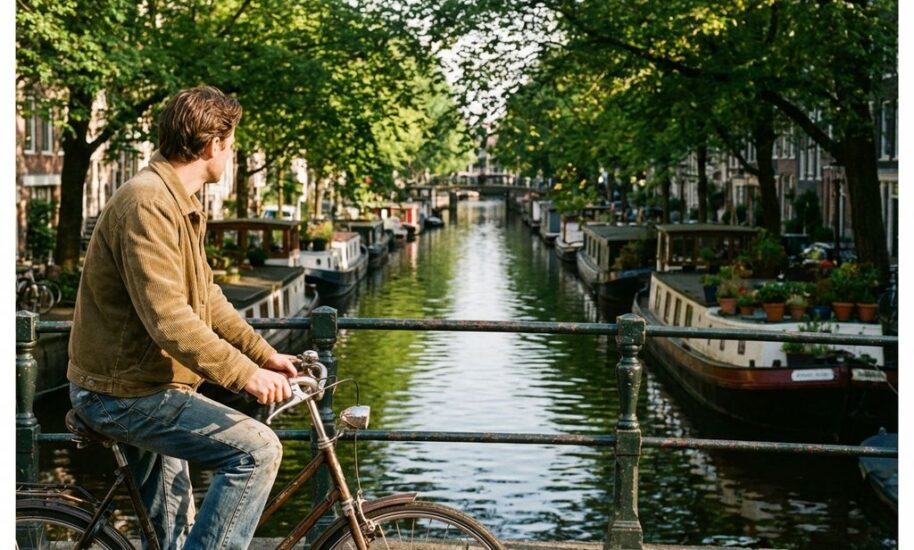
Amsterdam offers nature lovers an impressive array of green spaces, parks, and waterways that provide peaceful escapes from urban life. From expansive forest areas and botanical gardens to scenic canal routes and seasonal outdoor activities, the city combines natural beauty with urban accessibility. Whether you prefer cycling through parks, exploring by boat, or discovering hidden gardens, Amsterdam provides year-round opportunities to connect with nature while enjoying the many things to do Amsterdam has to offer.
What are the best parks and green spaces in Amsterdam for nature enthusiasts?
Amsterdam’s premier parks include Vondelpark, Amsterdamse Bos, and Westerpark, each offering unique natural experiences. Vondelpark features tree-lined paths, ponds, and open meadows perfect for picnics and birdwatching. Amsterdamse Bos provides extensive forests, lakes, and wildlife viewing opportunities across 1,000 hectares. Westerpark combines industrial heritage with natural landscapes, featuring wetlands and cultural spaces.
Vondelpark, located in the city centre, serves as Amsterdam’s most beloved green space. The park features several ponds where you can spot ducks, swans, and herons, while mature trees provide habitat for various bird species. The rose garden blooms spectacularly from June through September, and the open lawns offer perfect spots for relaxation.
Amsterdamse Bos functions as Amsterdam’s largest recreational area, feeling more like a natural forest than an urban park. The park includes rowing courses, nature reserves, and the Bosbaan lake, where you can observe waterfowl and enjoy peaceful walks along wooded trails. The Goat Farm within the park allows visitors to interact with animals while learning about sustainable farming practices.
Westerpark uniquely combines natural areas with cultural attractions. The park features restored wetlands that attract various bird species, while walking paths wind through diverse landscapes, including meadows, water features, and sculptural gardens. The adjacent Westergasfabriek cultural complex adds an interesting contrast between nature and industrial heritage.
How can you explore Amsterdam’s natural side by bike and boat?
Cycling routes through Amsterdam’s parks and along canals offer the best way to experience the city’s natural beauty. Popular routes include the Vondelpark circuit, the Amstel River path, and the Waterland region north of the city. Boat tours along the historic canals provide unique perspectives of tree-lined waterways, floating gardens, and waterside parks from water level.
The most scenic cycling route for nature lovers follows the Amstel River south from the city centre. This path leads through Amstelpark with its rhododendron gardens and miniature golf course, continuing past historic windmills and rural landscapes. The route offers glimpses of traditional Dutch countryside while remaining easily accessible from central Amsterdam.
Canal exploration by boat reveals Amsterdam’s green corridors from a completely different perspective. The tree-lined Herengracht, Prinsengracht, and Keizersgracht canals create natural tunnels of elm and lime trees, while smaller waterways lead to hidden gardens and quiet residential areas. Many canal tours include stops at floating flower markets and waterside parks.
For longer cycling adventures, the Waterland region north of Amsterdam provides extensive routes through polders, nature reserves, and traditional villages. These paths connect various nature areas, including Zaanse Schans, where historic windmills operate alongside the Zaan River, and the peaceful countryside around Broek in Waterland with its wooden houses and pastoral landscapes.
Where can nature lovers find wildlife and gardens in Amsterdam?
Amsterdam’s Hortus Botanicus, Artis Zoo gardens, and numerous hidden courtyards provide excellent wildlife viewing and botanical experiences. The botanical garden houses over 4,000 plant species, including tropical greenhouses and heritage trees. Seasonal flower displays appear throughout the city, while peaceful garden courtyards offer quiet nature retreats in unexpected locations.
Hortus Botanicus, established in 1638, ranks among Europe’s oldest botanical gardens. The three-climate greenhouse complex houses tropical rainforest, desert, and subtropical environments, while outdoor gardens feature medicinal plants, heritage roses, and rare tree specimens. The butterfly greenhouse provides opportunities to observe exotic species in a controlled natural environment.
Artis Zoo combines wildlife conservation with beautiful landscaping throughout its historic grounds. Ancient trees provide habitat for both captive and wild bird species, while the butterfly pavilion and aquarium complex offer glimpses of diverse ecosystems. The zoo’s gardens feature seasonal plantings and heritage trees that create peaceful walking environments.
Hidden courtyards throughout Amsterdam’s canal district provide unexpected green spaces perfect for quiet contemplation. The Begijnhof courtyard features a medieval garden with ancient trees and traditional plantings, while museum gardens like those at the Rijksmuseum offer carefully designed landscapes combining art and nature. Many churches and historic buildings maintain small gardens accessible during visiting hours.
What outdoor activities and nature experiences are available year-round in Amsterdam?
Seasonal activities range from winter ice skating and spring flower viewing to summer park concerts and autumn forest walks. Each season offers distinct natural experiences, from frozen canal skating in winter to cherry blossom viewing in spring, outdoor festivals in summer, and colourful foliage walks in autumn. Year-round activities include birdwatching, cycling, and exploring botanical collections.
Winter transforms Amsterdam’s parks and canals into magical landscapes when temperatures drop sufficiently for natural ice formation. Vondelpark’s ponds occasionally freeze solid enough for skating, while the Jaap Eden ice rink provides reliable winter sports opportunities. Winter walks through Amsterdamse Bos reveal bare tree structures and winter bird species like fieldfares and redwings.
Spring brings spectacular flower displays throughout the city’s parks and gardens. Cherry trees bloom along many canals in April, while tulips and daffodils create colourful carpets in park meadows. The nearby Keukenhof Gardens, though outside Amsterdam proper, provides world-renowned spring bulb displays easily accessible by public transport.
Summer offers the most diverse outdoor activities, with park concerts, outdoor theatre, and extended daylight hours perfect for evening nature walks. Vondelpark hosts free concerts and theatre performances, while Westerpark’s summer festivals combine music with natural settings. Long summer evenings provide ideal conditions for canal-side dining and waterfront relaxation.
Autumn transforms Amsterdam’s parks into galleries of golden and red foliage. Amsterdamse Bos becomes particularly spectacular as beech and oak trees change colour, while Vondelpark’s tree-lined paths create natural tunnels of autumn colours. This season also brings migratory birds through the city’s parks, making it excellent for birdwatching activities.
Amsterdam successfully balances urban sophistication with accessible natural experiences, making it an ideal destination for nature lovers seeking variety within a compact area. The city’s parks, waterways, and gardens provide year-round opportunities to connect with nature while exploring the many cultural and recreational things to do Amsterdam offers. Whether you prefer active outdoor pursuits or quiet contemplation in botanical settings, Amsterdam’s green spaces deliver memorable experiences throughout every season.

