


 Wish list
What can you see at Dam Square during a walking tour?
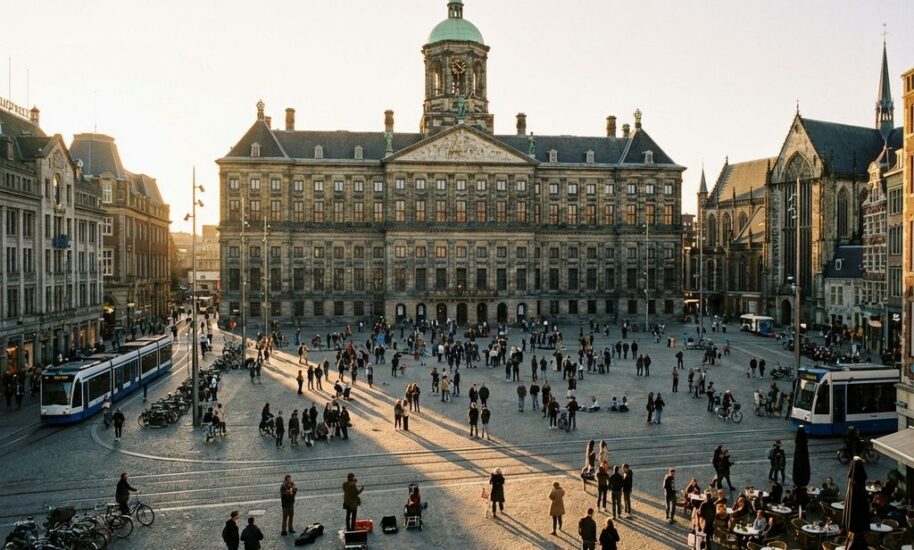
Dam Square offers visitors a fascinating mix of royal architecture, historic monuments, vibrant street life, and cultural landmarks, all in one central location. During a walking tour, you’ll see the magnificent Royal Palace, the Gothic Nieuwe Kerk, the National Monument, and experience the bustling atmosphere that makes this Amsterdam’s most famous public square.
What makes Dam Square the heart of Amsterdam?
Dam Square serves as Amsterdam’s central plaza because it sits on the original dam that gave the city its name. Built in the 13th century across the Amstel River, this square became the commercial and political centre of Amsterdam, hosting markets, public gatherings, and royal ceremonies for over 700 years.
The square’s historical importance stems from its role as the birthplace of Amsterdam itself. When merchants built a dam here to control flooding, they created the foundation for what would become one of Europe’s most important trading cities. Today, Dam Square remains the natural starting point for most Amsterdam tours because it connects the city’s past with its present.
You’ll notice how the square buzzes with energy throughout the day. Locals cross it on their daily commutes, tourists gather to admire the architecture, and street performers create an ever-changing backdrop of entertainment. This constant activity reflects Dam Square’s continued role as a meeting place where Amsterdam’s diverse communities come together.
The square’s central location makes it the perfect hub for exploring the city. From here, you can walk to major Amsterdam attractions within minutes, making it an ideal orientation point for understanding the city’s layout and history during any walking tour.
What are the main buildings and monuments you’ll see at Dam Square?
The Royal Palace dominates the western side of Dam Square with its impressive sandstone façade and classical architecture. Originally built as Amsterdam’s city hall in the 17th century, this massive building showcases the wealth and power of the Dutch Golden Age through its grand design and ornate decorations.
Right next to the palace stands the Nieuwe Kerk (New Church), a stunning Gothic structure that hosts royal coronations and important state ceremonies. Despite its name meaning “new,” this church dates back to the 15th century and features beautiful stained glass windows and intricate stonework that you can admire from the square.
The National Monument rises 22 metres from the eastern side of the square, serving as the Netherlands’ primary World War II memorial. This white stone obelisk, built in 1956, honours Dutch war victims and resistance fighters. You’ll often see fresh flowers placed at its base, reflecting its ongoing importance to Dutch national memory.
Madame Tussauds occupies a prominent corner building, easily recognisable by its red façade and tourist crowds. While the wax museum is a modern addition to the square, the building itself dates back centuries and represents the commercial activity that has always characterised this area.
The surrounding buildings showcase typical Amsterdam architecture with their narrow façades, large windows, and decorative gables. These structures house shops, cafés, and businesses that keep the square commercially vibrant, just as merchants’ houses did centuries ago.
What kind of street life and activities happen at Dam Square?
Dam Square pulses with street performers, artists, and entertainers who create a constantly changing spectacle throughout the day. You’ll encounter musicians playing everything from classical violin to modern pop, living statues that surprise passing tourists, and artists sketching portraits or creating chalk drawings on the pavement.
The square attracts a fascinating mix of people that reflects Amsterdam’s international character. Tourists photograph the monuments while consulting their Amsterdam itinerary, local commuters hurry across on bicycles or on foot, and groups of friends meet before exploring the city’s many attractions.
Street vendors sell everything from stroopwafels to tourist souvenirs, adding to the commercial atmosphere that has defined this space for centuries. You’ll also notice the outdoor terraces of surrounding cafés and restaurants, where people sit with drinks and meals while watching the square’s activity unfold.
During special events and holidays, Dam Square transforms into a celebration venue. King’s Day turns it orange with festivities, Christmas markets appear in winter, and various cultural events use the space throughout the year. These occasions showcase how the square continues to serve as Amsterdam’s primary gathering place.
The constant flow of trams, buses, and cyclists around the square’s perimeter creates additional energy. This transportation hub function means you’ll experience the rhythm of Amsterdam city life, with the gentle ding of tram bells and the sight of hundreds of bicycles passing by every hour.
How does Dam Square connect to other Amsterdam attractions during a walking tour?
Dam Square’s strategic position makes it the perfect launching point for exploring Amsterdam’s major attractions within easy walking distance. The famous shopping street Kalverstraat leads directly south from the square, connecting you to the flower market, Rembrandtplein, and the museum district within a pleasant 10–15 minute walk.
The charming Begijnhof, one of Amsterdam’s hidden gems, sits just a few minutes’ walk from the square through quiet side streets. This peaceful courtyard offers a stark contrast to the square’s bustle and provides insight into medieval Amsterdam life, making it a perfect addition to any cultural walking tour.
Amsterdam’s famous canal ring begins immediately around Dam Square, with the Rokin and Damrak canals offering classic Amsterdam activities like canal boat tours and waterside walking routes. These UNESCO World Heritage canals showcase the city’s Golden Age architecture and provide the quintessential Amsterdam experience.
The Red Light District lies just a short walk northeast of the square, accessible through the historic Warmoesstraat. This proximity allows walking tours to easily include both the respectable royal architecture of Dam Square and the notorious entertainment district that is equally part of Amsterdam’s character.
Major museums, including the Amsterdam Museum, sit within walking distance, while the Jordaan neighbourhood’s trendy cafés and boutiques are reachable via the picturesque Nieuwezijds Voorburgwal canal. This connectivity means Dam Square serves as your compass point for navigating Amsterdam’s diverse districts and attractions.
The square also connects to Amsterdam’s excellent public transport network, with tram stops providing access to attractions further afield like the Rijksmuseum, Van Gogh Museum, and Vondelpark. This combination of walkable attractions and transport links makes Dam Square the logical starting point for any comprehensive exploration of Amsterdam.
Dam Square offers the perfect introduction to Amsterdam’s rich history, stunning architecture, and vibrant culture, all in one central location. From royal palaces to street performers, historic monuments to modern attractions, the square provides a complete Amsterdam experience that connects you to the rest of the city’s treasures. When you’re ready to explore Amsterdam with expert local guides who share the same passion for this remarkable square, we’d love to show you the stories and secrets that make Dam Square truly special during our comprehensive walking tours.

