


 Wish list
What festivals take place throughout the year in Amsterdam?
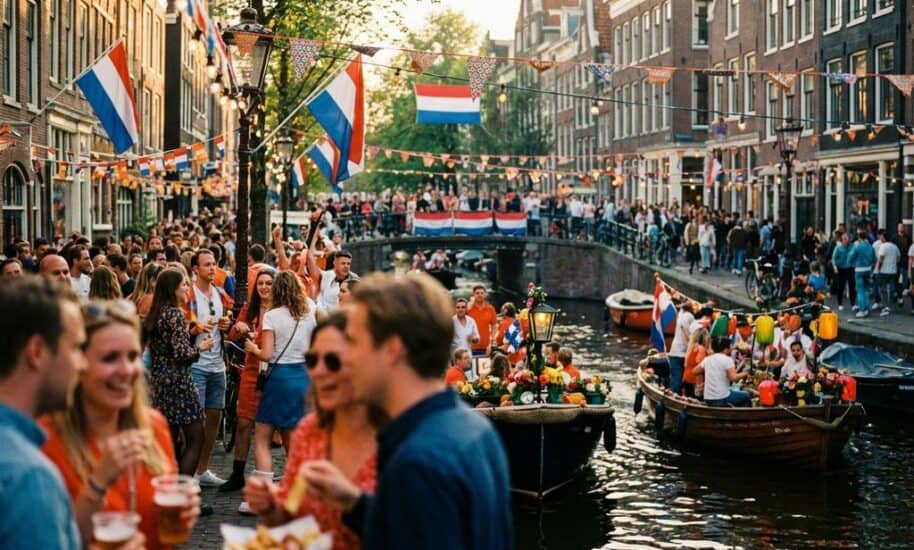
Amsterdam hosts numerous festivals throughout the year, ranging from the world-famous King’s Day celebration in April to electronic music events, classical concerts, and cultural celebrations. The city’s festival calendar includes major annual events like Amsterdam Dance Event, Grachtenfestival, and various seasonal celebrations that showcase Dutch culture alongside international arts. These festivals transform Amsterdam into a vibrant cultural hub, offering visitors unique experiences that combine music, art, food, and traditional Dutch festivities along the city’s historic canals and in its neighbourhoods.
What are the most famous festivals that happen in Amsterdam each year?
Amsterdam’s most famous annual festivals include King’s Day (27 April), Amsterdam Dance Event (October), Grachtenfestival (August), and Amsterdam Light Festival (November–January). These signature events define the city’s cultural calendar and attract millions of visitors from around the world.
King’s Day is Amsterdam’s largest celebration, transforming the entire city into an orange-clad street party. The canals fill with boats, streets become massive flea markets, and live music echoes throughout every neighbourhood. This national holiday celebrates the Dutch monarch’s birthday and represents one of the most authentic Dutch cultural experiences available.
Amsterdam Dance Event ranks as the world’s leading electronic music conference and festival, featuring over 1,000 events across 200 venues. The five-day October celebration brings together international DJs, producers, and electronic music enthusiasts, making Amsterdam the global electronic music capital during this period.
The Grachtenfestival combines classical music with Amsterdam’s UNESCO World Heritage canal ring. Musicians perform on floating stages and in historic canal houses, creating intimate concerts that blend world-class performances with the city’s architectural beauty. This August festival offers a sophisticated cultural experience unique to Amsterdam’s waterways.
Amsterdam Light Festival illuminates the city’s canals and streets with artistic light installations from November through January. Artists from around the world create spectacular displays that can be viewed from canal boats or walking routes, transforming Amsterdam’s winter months into a magical artistic experience.
When is the best time to visit Amsterdam for festival experiences?
The peak festival season in Amsterdam runs from April through October, with the highest concentration of events occurring during the spring and summer months. April offers King’s Day, while summer brings outdoor concerts, food festivals, and canal-based celebrations in ideal weather conditions.
Spring (April–May) provides excellent festival weather, with King’s Day highlighting the season. Temperatures range from 10–18°C, perfect for outdoor celebrations and canal activities. The city awakens from winter with blooming tulips and increased energy, making it an ideal time for cultural events and street festivals.
Summer months (June–August) offer the most diverse festival programming, with warm weather supporting outdoor venues and canal events. The Grachtenfestival, Vondelpark Open Air Theatre season, and numerous food festivals take advantage of long daylight hours and pleasant temperatures reaching 20–25°C.
Autumn (September–October) brings Amsterdam Dance Event and various cultural festivals as the city transitions to cooler weather. This period offers fewer crowds than summer while maintaining active festival programming, with temperatures around 15–20°C supporting both indoor and outdoor events.
Winter festivals focus on indoor venues and the Amsterdam Light Festival, which takes advantage of longer nights to showcase artistic illuminations. While the weather limits outdoor celebrations, this season offers unique experiences like Christmas markets and New Year celebrations along the canals.
What types of music and cultural festivals can you experience in Amsterdam?
Amsterdam offers diverse festival experiences, including electronic music events, classical concerts, jazz festivals, world music celebrations, art exhibitions, food festivals, and cultural heritage events. The city’s programming spans from intimate canal house concerts to massive electronic dance gatherings.
Electronic music dominates Amsterdam’s festival scene, with Amsterdam Dance Event leading internationally. Smaller electronic events occur year-round in venues like Paradiso and Melkweg. These range from techno and house music to experimental electronic sounds, reflecting Amsterdam’s position as a global electronic music hub.
Classical music festivals centre around the renowned Concertgebouw and historic venues throughout the canal ring. The Grachtenfestival represents the pinnacle of classical programming, while year-round chamber music series and orchestral performances maintain Amsterdam’s classical music reputation.
Jazz festivals and world music events celebrate Amsterdam’s multicultural character. The North Sea Jazz Festival (in nearby Rotterdam) influences Amsterdam’s jazz scene, while local venues host international artists representing African, Latin American, and Asian musical traditions, reflecting the city’s diverse population.
Food festivals showcase both traditional Dutch cuisine and international flavours. Events range from cheese and beer festivals celebrating Dutch traditions to international food markets reflecting Amsterdam’s cosmopolitan dining scene. Many food festivals integrate with cultural celebrations, creating comprehensive cultural experiences.
Art and cultural festivals often combine visual arts, performance, and music. The Amsterdam Fringe Festival, various gallery nights, and cultural heritage celebrations provide platforms for both established and emerging artists while celebrating Dutch cultural traditions and contemporary creativity.
How do you participate in Amsterdam’s street festivals and public celebrations?
Participating in Amsterdam’s street festivals requires understanding Dutch festival customs, wearing appropriate colours (especially orange for King’s Day), and embracing the communal atmosphere. Most street festivals are free and encourage active participation rather than passive observation.
King’s Day participation involves wearing orange clothing and joining the city-wide celebration. Streets become flea markets where anyone can sell items, live music fills public squares, and canal boat parties create floating celebrations. The key is embracing the festive atmosphere and interacting with locals and fellow visitors.
Dutch festival customs emphasise community participation and informal interaction. Unlike formal concerts, street festivals encourage singing along, dancing, and casual conversations with strangers. Bringing snacks to share and maintaining a friendly, open attitude helps you integrate with the local celebration style.
Public celebrations often involve specific traditions worth understanding. During King’s Day, children sell toys and handmade items, adults enjoy outdoor drinking, and everyone participates in street performances. Learning basic Dutch phrases like “Gefeliciteerd” (congratulations) and “Proost” (cheers) enhances interaction with locals.
Safety and respect remain important during street celebrations. Stay aware of your belongings in crowded areas, respect private property boundaries, and follow local guidelines about public drinking and behaviour. Most festivals maintain family-friendly atmospheres during daytime hours, with evening events becoming more adult-oriented.
Many street festivals welcome visitor participation in activities like traditional games, food preparation, or cultural demonstrations. Engaging actively rather than simply observing creates more meaningful experiences and helps visitors understand Dutch cultural values around community celebration and shared enjoyment.
What should you know about Amsterdam’s festival logistics and planning?
Festival logistics require advance planning for accommodation, transportation, and tickets. Major events like King’s Day and Amsterdam Dance Event fill accommodation months in advance, while public transport becomes extremely crowded during peak festival periods.
Accommodation should be booked 3–6 months before major festivals, particularly for King’s Day and Amsterdam Dance Event. Hotel prices increase significantly during festival periods, and availability becomes limited. Alternative options include staying in nearby cities like Haarlem or Utrecht, with easy train connections to Amsterdam.
Transportation during festivals involves significant crowd-management challenges. Public transport operates extended hours but becomes extremely crowded. Walking and cycling often prove faster than trams or buses during major events. Many streets close to vehicle traffic during festivals, making cycling the most efficient transportation method.
Ticket purchasing varies by event type. Street festivals like King’s Day require no tickets, while venue-based events need advance booking. Amsterdam Dance Event offers various pass types, from single-venue tickets to festival-wide access. Popular events sell out quickly, making early purchase essential.
Crowd management requires patience and awareness during major festivals. Popular areas like Dam Square and the Red Light District become extremely crowded during peak hours. Planning alternative routes and avoiding peak times (typically mid-afternoon) helps you navigate the city more efficiently.
Essential festival supplies include comfortable walking shoes, weather-appropriate clothing, portable phone chargers, and small bags that comply with venue security requirements. Many festivals restrict large bags, while outdoor events require preparation for changing weather conditions typical of Amsterdam’s climate.
Amsterdam’s festival scene offers incredible diversity throughout the year, from massive street celebrations to intimate cultural events. The city’s unique combination of historic venues, canal settings, and welcoming atmosphere creates festival experiences unavailable elsewhere. Planning ahead ensures you can fully participate in these celebrations that showcase both Dutch culture and Amsterdam’s position as an international cultural destination. Whether you’re interested in electronic music, classical concerts, or traditional Dutch festivities, Amsterdam’s festival calendar provides unforgettable experiences that highlight why this city remains one of Europe’s premier cultural destinations and offers countless things to do in Amsterdam throughout the year.

