


 Wish list
What historical insights do you gain from Amsterdam tours?
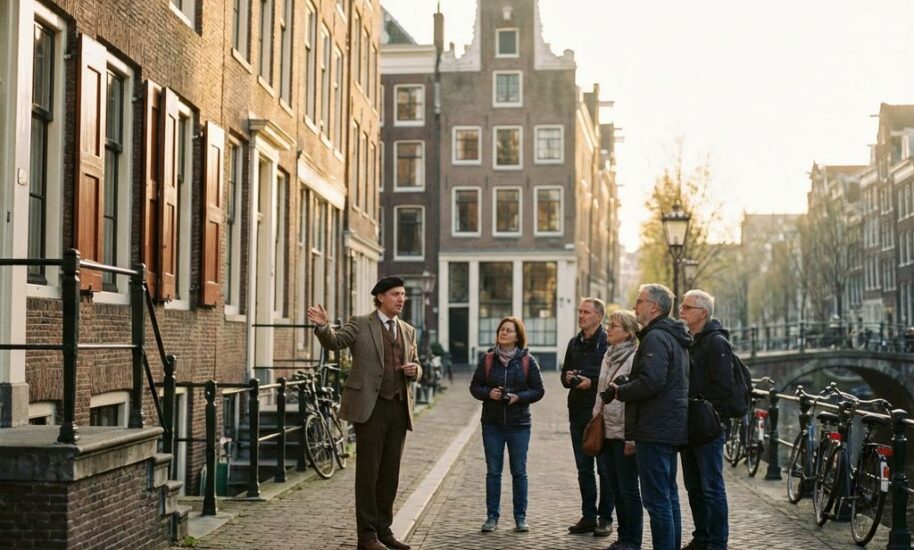
Amsterdam tours offer rich historical insights spanning from medieval origins to modern times, revealing how each era shaped the city’s unique character. You’ll discover stories behind the famous canal system, architectural evolution, and cultural developments that transformed a small fishing village into a global trading powerhouse. Guided tours provide access to hidden historical narratives and local perspectives that bring centuries of Dutch history to life.
What historical periods do Amsterdam tours typically cover?
Amsterdam tours typically cover five major historical periods: medieval origins (12th–15th centuries), the Dutch Golden Age (17th century), French and British occupation (18th–19th centuries), the World War II era, and modern development (20th–21st centuries). Each period fundamentally shaped the city’s layout, architecture, and cultural identity that visitors see today.
The medieval period reveals Amsterdam’s humble beginnings as a fishing village around the Amstel River. Tours often start at Dam Square, explaining how the original dam built in 1270 gave the city its name. You’ll learn about the early settlement patterns and how the need for land reclamation led to innovative water management techniques that became Amsterdam’s trademark.
The Dutch Golden Age represents the most transformative period covered in Amsterdam tours. During the 17th century, Amsterdam became the world’s most important trading hub, leading to unprecedented wealth and cultural flourishing. Tours highlight how this prosperity funded the construction of the iconic canal ring, grand merchant houses, and cultural institutions. You’ll understand how global trade networks brought exotic goods, ideas, and influences that shaped Amsterdam’s cosmopolitan character.
The French occupation period (1795–1813) and subsequent developments show how Amsterdam adapted to changing political landscapes. Tours explain how Napoleon’s Continental System affected trade, leading to economic decline and urban stagnation. This period helps visitors understand why certain areas of the city remained unchanged, preserving historical authenticity.
World War II coverage provides sobering insights into Amsterdam’s darkest chapter. Tours address the German occupation, resistance movements, and the tragic fate of the Jewish community. You’ll visit locations connected to Anne Frank’s story and learn about everyday life during wartime, helping visitors understand how this period continues to influence Dutch society and values.
How do Amsterdam’s canals tell the story of the city’s past?
Amsterdam’s canals function as a historical timeline, with the famous canal ring system revealing the city’s economic prosperity, urban planning evolution, and social hierarchy. The concentric canal layout demonstrates 17th-century Dutch engineering excellence and reflects the merchant culture that prioritized both functionality and beauty in urban design.
The canal construction sequence tells the story of Amsterdam’s expansion during its Golden Age. Tours explain how the Herengracht, Prinsengracht, and Keizersgracht were planned as an integrated system between 1613 and 1665. This ambitious project required massive investment and coordination, reflecting the city’s confidence in its economic future and sophisticated urban planning capabilities.
Each canal served specific economic and social functions that guided tours illuminate. The Herengracht housed the wealthiest merchants, while the Prinsengracht accommodated artisans and smaller traders. The varying width and depth of different canals reflect their intended uses—from major transportation arteries to neighborhood drainage systems. You’ll learn how canal houses were taxed based on their width, leading to the characteristic narrow, deep buildings that define Amsterdam’s architecture.
The canals also reveal Amsterdam’s relationship with water and its innovative engineering solutions. Tours explain how the Dutch developed techniques for building on unstable peat soil, creating the foundation system using wooden piles that still supports much of historic Amsterdam. You’ll discover how the canal system provided fresh water supply, waste management, and transportation networks that made urban life possible.
Amsterdam activities centered around canal commerce demonstrate how waterways shaped daily life. Tours describe how goods moved from ships to warehouses via canal barges, how ice skating on frozen canals provided winter recreation, and how canal-side markets created community gathering spaces. The surviving canal infrastructure shows how 17th-century planning continues to influence modern Amsterdam’s character and functionality.
What hidden historical stories do local guides share that you won’t find in guidebooks?
Local guides reveal hidden historical stories, including secret religious practices during Protestant rule, underground resistance networks during World War II, and architectural details that indicate former building functions. These insider perspectives provide a deeper understanding of how ordinary Amsterdam residents lived, worked, and adapted throughout different historical periods.
Stories of religious tolerance offer fascinating insights into Amsterdam’s complex spiritual landscape. Guides explain how Catholic masses continued secretly in hidden churches called “schuilkerken” after the Protestant Reformation. You’ll discover concealed chapels behind ordinary house facades and learn about the ingenious methods Catholics used to maintain their faith while avoiding persecution. These stories reveal how Amsterdam’s famous tolerance developed gradually through practical necessity rather than immediate acceptance.
Architectural secrets become apparent when experienced guides point out details most visitors miss. You’ll learn to identify former brewery locations by specific gable stones, recognize houses that once served as hospitals by their wider entrances, and spot buildings that housed secret synagogues by subtle decorative elements. Guides explain how certain window arrangements indicate former warehouse functions and how decorative elements reveal the original owner’s trade or social status.
Wartime resistance stories provide moving accounts of ordinary citizens’ extraordinary courage. Local guides share tales of hidden rooms where Jewish families sheltered, secret routes used to move people to safety, and coded symbols that resistance members used to communicate. You’ll hear about everyday heroes like teachers, shopkeepers, and students who risked everything to help others, bringing human faces to historical events.
Daily life anecdotes help visitors understand how historical Amsterdam residents actually lived. Guides explain how people dealt with limited space in narrow canal houses, why certain streets developed specific trades or crafts, and how seasonal flooding affected neighborhood routines. These stories connect grand historical narratives to personal experiences, making Amsterdam attractions more meaningful and memorable.
Why does Amsterdam’s architecture reveal so much about Dutch social history?
Amsterdam’s architecture functions as a visual record of Dutch social history, with building styles, sizes, and decorative elements reflecting social classes, religious influences, trade prosperity, and cultural values. The evolution from simple medieval structures to elaborate Golden Age mansions demonstrates how economic success transformed social hierarchies and cultural expression.
Gable styles serve as historical markers that indicate construction periods and social status. Tours explain how simple triangular gables evolved into elaborate step gables, bell gables, and neck gables as wealth and artistic sophistication increased. The decorative complexity of gables directly correlates with the owner’s prosperity and social ambitions, creating a visible hierarchy along canal streets that persists today.
Building proportions reveal economic and social constraints that shaped Amsterdam’s development. The narrow facades result from taxation based on street frontage, encouraging vertical construction and creative use of limited space. Tours demonstrate how wealthy merchants maximized their investments by building deep, tall houses with elaborate rear extensions, while working-class residents occupied smaller, simpler structures in back streets and courtyards.
Religious architecture reflects Amsterdam’s complex spiritual evolution and tolerance policies. You’ll see how Protestant churches adopted simpler designs after the Reformation, while hidden Catholic churches maintained ornate interiors behind plain facades. Synagogue architecture reveals the Jewish community’s integration into Amsterdam society, with buildings that blend Dutch architectural traditions with religious requirements.
Trade-related architectural features demonstrate how commerce influenced residential design. Tours point out the hooks and pulleys still visible on many canal houses, used for lifting goods to upper-floor storage areas. Warehouse conversions show how former commercial buildings adapted to residential use, while the positioning of windows and doors reflects the need to accommodate both family life and business activities within the same structure.
Amsterdam tours provide invaluable historical insights that transform your understanding of this remarkable city. Walking through centuries of history with knowledgeable guides reveals the layers of human experience that created modern Amsterdam. Whether you’re interested in Amsterdam itinerary planning or simply want to appreciate the city’s rich heritage, these historical perspectives enhance every aspect of your visit. We offer comprehensive cultural tours that bring these fascinating stories to life, connecting you with Amsterdam’s extraordinary past through the eyes of passionate local guides who call this historic city home.

