
 Wish list
What is the best time of year for Amsterdam tours?
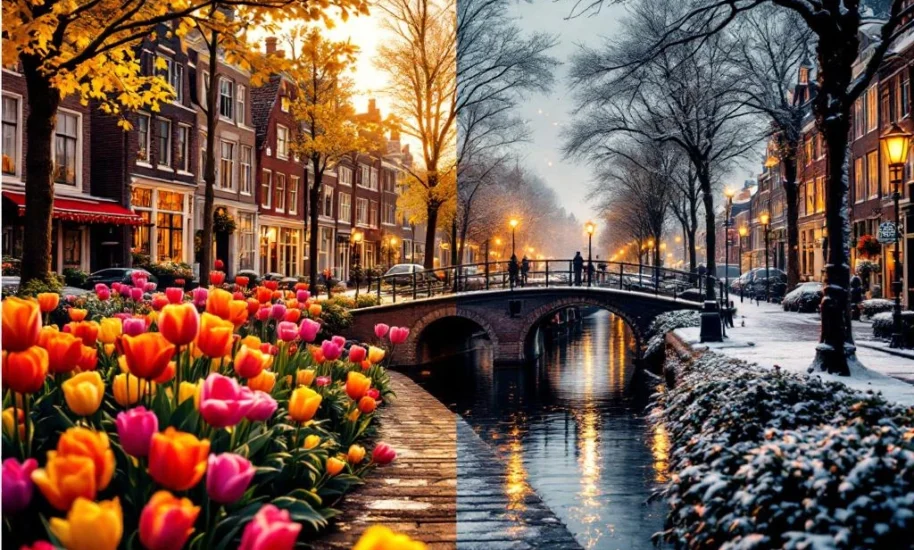
The best time for Amsterdam tours depends on your preferences for weather, crowds, and pricing. Spring (March–May) offers the ideal balance with mild temperatures, blooming tulips, and manageable tourist numbers. Summer brings peak-season energy but larger crowds, while winter provides intimate experiences with festive charm. Each season offers unique advantages for exploring Amsterdam’s canals, museums, and historic streets through guided walking tours or boat excursions.
What makes spring the most popular time for Amsterdam tours?
Spring emerges as Amsterdam’s most sought-after season because temperatures range from 8–18°C (46–64°F), creating comfortable conditions for walking tours through historic neighbourhoods. The famous tulip season peaks from mid-April to early May, transforming the city and nearby Keukenhof Gardens into a colourful spectacle that attracts visitors from around the world.
The moderate weather during these months makes outdoor Amsterdam activities particularly enjoyable. You can comfortably explore the Jordaan district, stroll along the canals, or take boat tours without the harsh winter winds or summer heat. Daylight hours extend from 12 hours in March to nearly 16 hours by May, giving you ample time for comprehensive Amsterdam itinerary planning.
However, spring’s popularity comes with trade-offs. Tourist numbers increase significantly during tulip season, especially around King’s Day (27 April), when the entire city celebrates in orange. Accommodation prices rise by 20–40% compared with winter months, and popular Amsterdam attractions require advance booking. The weather can still be unpredictable, with occasional rain showers that might affect outdoor walking tours.
Despite these considerations, spring remains ideal for first-time visitors who want to experience Amsterdam’s classic charm without extreme weather conditions. The season offers excellent conditions for exploring both indoor cultural sites and outdoor canal-side walks.
How does Amsterdam’s weather affect your tour experience throughout the year?
Amsterdam’s maritime climate significantly impacts tour enjoyment, with temperatures ranging from 2–6°C (36–43°F) in winter to 13–22°C (55–72°F) in summer. The city receives approximately 838 mm of rainfall annually, distributed fairly evenly throughout the year, though autumn tends to be the wettest season, with frequent drizzle.
Winter brings shorter daylight hours (7–8 hours) but creates atmospheric conditions perfect for indoor Amsterdam attractions like the Rijksmuseum, the Van Gogh Museum, and cosy brown cafés. Canal boat tours during winter offer heated cabins and fewer crowds, providing intimate views of Amsterdam’s UNESCO World Heritage canals. The city’s extensive covered walkways and indoor markets make walking tours feasible even during the colder months.
Summer delivers the longest days (16–17 hours of daylight) and warmest temperatures, ideal for extended walking tours and open-air canal cruises. However, afternoon temperatures occasionally reach 25°C (77°F) or higher, making midday walking tours less comfortable. Morning and evening tours become particularly popular during the summer months.
Rain affects tour experiences differently depending on the activity type. Walking tours require weather contingencies, while canal boat tours continue comfortably in covered vessels. Smart Amsterdam itinerary planning includes indoor backup options and appropriate clothing recommendations for any season.
What’s the difference between visiting Amsterdam in summer versus winter?
Summer (June–August) represents peak tourist season, with temperatures averaging 13–22°C (55–72°F) and extended daylight until 10 p.m. Winter (December–February) offers more intimate experiences, with temperatures around 2–6°C (36–43°F) and daylight from 8:30 a.m. to 5 p.m., creating dramatically different touring atmospheres.
Summer Amsterdam tours benefit from optimal weather conditions for outdoor activities. Canal cruises operate with open-air boats, walking tours cover more ground comfortably, and outdoor markets like Albert Cuyp thrive. The city buzzes with festivals, outdoor concerts, and terrace dining. However, major Amsterdam attractions experience their busiest periods, requiring advance reservations and patience with crowds.
Winter transforms Amsterdam into a more contemplative destination. Christmas markets appear in December, creating magical atmospheres around Dam Square and Leidseplein. Indoor Amsterdam activities take precedence, with museums, galleries, and historic buildings offering warm refuges. Canal boat tours provide heated comfort while showcasing the city’s winter beauty, often with fewer than half the summer passenger numbers.
Pricing differs substantially between seasons. Summer accommodation costs peak at 50–70% higher than winter rates, while winter tour prices often include special packages combining multiple Amsterdam attractions. Summer typically requires booking 2–3 months ahead, while winter allows more spontaneous planning with better availability for quality Amsterdam tours.
Which months offer the best value for Amsterdam tours and activities?
Late autumn (October–November) and early spring (March) provide the best-value combination of reasonable weather, reduced crowds, and lower prices. These shoulder seasons offer 30–50% savings on accommodation while maintaining access to most Amsterdam attractions and outdoor activities, with only minor weather considerations.
October delivers particularly strong value with mild temperatures (9–14°C / 48–57°F), fewer tourists than in summer, and autumn colours enhancing canal-side walks. Most Amsterdam tours operate full schedules, museums maintain regular hours, and restaurant terraces remain usable during sunny afternoons. Hotel prices drop significantly after September while the weather remains suitable for comprehensive sightseeing.
March offers excellent value for visitors interested in emerging spring conditions without peak tulip-season prices. Temperatures begin warming (6–11°C / 43–52°F), daylight extends noticeably, and early spring flowers start appearing in Vondelpark. Tour operators often provide shoulder-season discounts while maintaining high service standards.
Smart booking strategies for these value months include monitoring weather forecasts for planning outdoor versus indoor Amsterdam activities, booking accommodation 4–6 weeks ahead for optimal rates, and choosing morning tours when autumn and early spring weather tends to be most stable. These periods allow budget-conscious travellers to experience authentic Amsterdam without sacrificing tour quality or missing major Amsterdam attractions.
Planning the timing of your Amsterdam visit impacts every aspect of your experience, from tour comfort to budget considerations. Spring offers classic appeal, summer provides energy and extended daylight, winter delivers intimate charm, and the shoulder seasons balance value with accessibility. Consider your priorities for weather, crowds, and costs when selecting your ideal time for exploring this remarkable canal city. For valuable insights to help plan your visit, check out our Amsterdam tips to make the most of your experience. We specialise in creating memorable Amsterdam tours year-round, adapting our routes and recommendations to showcase the city’s unique seasonal character while ensuring your comfort regardless of when you visit. To learn more about our approach to Amsterdam tours or to plan your perfect Amsterdam experience, feel free to contact us for personalised recommendations.

