


 Wish list
What is the Dam Square and why is it important?
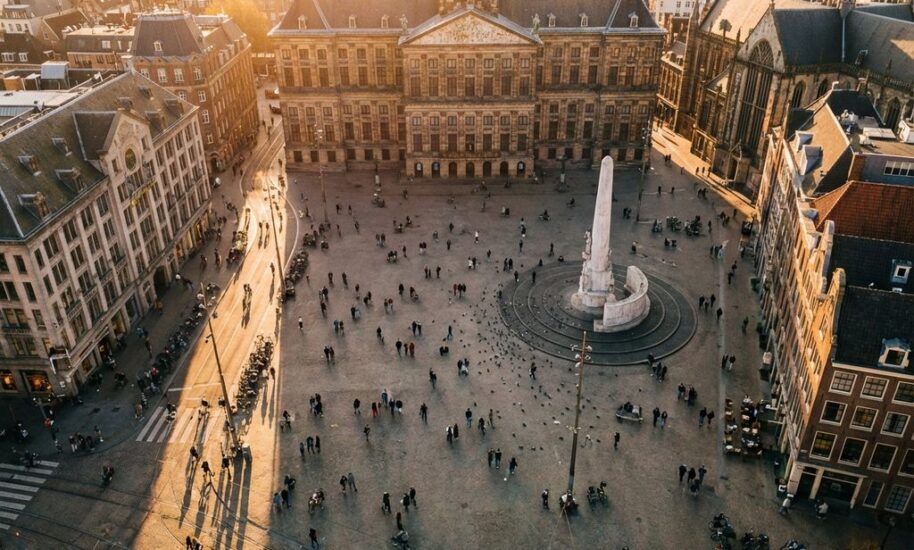
Dam Square is Amsterdam’s central plaza and the historic heart of the city, built on the site of the original dam across the Amstel River that gave Amsterdam its name. This iconic square serves as the zero point for all distance measurements in the Netherlands and hosts major national events, making it both a geographical and cultural centre. The square is surrounded by significant landmarks, including the Royal Palace, the Nieuwe Kerk, and the National Monument, representing centuries of Dutch history and culture.
What exactly is Dam Square and where did it get its name?
Dam Square gets its name from the literal dam that was built across the Amstel River in the 13th century. The original settlement was called “Amstelredamme,” meaning “dam on the Amstel,” which eventually became Amsterdam. This functional dam allowed merchants to control water levels and collect tolls from passing ships, creating the foundation for Amsterdam’s prosperity.
The square itself developed around this crucial infrastructure. What started as a practical necessity gradually transformed into a ceremonial space as Amsterdam grew in importance. The original wooden dam was eventually replaced with stone structures, and the area evolved from a working waterway into the grand plaza you see today.
The transformation from functional dam to ceremonial square took place over several centuries. As Amsterdam became a major trading port, the area around the dam became increasingly important for commerce and governance. The square’s current form largely dates from the 17th century, when many of the surrounding buildings were constructed during Amsterdam’s Golden Age.
Today, the name “Dam” still reflects this historic origin. When you stand on the square, you’re literally standing where the Amstel River once flowed freely. The cobblestones beneath your feet cover the spot where Amsterdam’s story began, making Dam Square not just a tourist destination but the birthplace of the entire city.
Why is Dam Square considered the heart of Amsterdam?
Dam Square functions as Amsterdam’s geographical and cultural centre, serving as the official zero point for all distance measurements throughout the Netherlands. This central location makes it the natural meeting place for both locals and visitors, while its role in hosting major national celebrations and demonstrations confirms its status as the country’s most important public space.
The square’s central position in Amsterdam’s layout makes it incredibly accessible. All major trams pass through or near the area, and it connects directly to the city’s main shopping streets and tourist areas. This accessibility means that whether you’re exploring Amsterdam attractions or following an Amsterdam itinerary, you’ll likely pass through Dam Square multiple times during your visit.
Beyond its practical importance, Dam Square holds deep cultural significance for the Dutch people. Major national events take place here, from royal celebrations to remembrance ceremonies. The square becomes a focal point during King’s Day celebrations, New Year’s festivities, and important national moments, making it a living symbol of Dutch identity.
The square also serves as a natural orientation point for visitors. Its distinctive landmarks and central location make it easy to find, while the surrounding streets lead to many of Amsterdam’s most famous districts. Whether you’re planning Amsterdam activities or simply wandering the city, Dam Square provides a reliable reference point that helps you navigate Amsterdam’s sometimes confusing street layout.
What are the most important buildings and monuments on Dam Square?
Dam Square is surrounded by several iconic structures that represent different periods of Dutch history. The Royal Palace dominates the western side, originally built as Amsterdam’s city hall in the 17th century and later converted to a royal residence. The Nieuwe Kerk (New Church) stands adjacent to the palace, hosting royal ceremonies and cultural exhibitions despite being over 600 years old.
The National Monument occupies the square’s centre, erected in 1956 to commemorate Dutch victims of World War II. This 22-metre white stone obelisk contains soil from all Dutch provinces and former colonies, making it a powerful symbol of national unity and remembrance. The monument serves as the focal point for annual Remembrance Day ceremonies each May.
On the square’s eastern side, you’ll find Madame Tussauds Amsterdam, housed in a historic building that adds to the square’s architectural diversity. The museum building itself dates from the early 20th century and represents the more commercial development that has shaped modern Dam Square.
Several other significant buildings frame the square, including the historic Bijenkorf department store and various banks and hotels that reflect Amsterdam’s commercial heritage. Each structure tells part of Amsterdam’s story, from medieval church construction through Golden Age prosperity to modern tourism development. These buildings collectively create an architectural timeline that spans nearly eight centuries of Dutch history.
How has Dam Square changed throughout Amsterdam’s history?
Dam Square has transformed from a medieval marketplace beside a working dam into a modern tourist destination and ceremonial space. The original square was smaller and more functional, serving primarily as a fish market and trading area where merchants conducted daily business around the Amstel River dam.
During Amsterdam’s Golden Age in the 17th century, the square underwent major reconstruction. The impressive Royal Palace was built, and the surrounding area was redesigned to reflect Amsterdam’s growing wealth and international importance. This period established the square’s grand character and many of the architectural features that still define it today.
The 19th and 20th centuries brought significant changes to the square’s function and appearance. The area became more ceremonial, hosting national events and political gatherings. The addition of the National Monument after World War II marked the square’s evolution into a space for national remembrance and celebration.
Modern Dam Square balances its historical significance with contemporary needs. While it remains an important ceremonial space, it has also become a major tourist destination and transportation hub. The square now accommodates millions of visitors annually while maintaining its role in Dutch national life. Street performers, tourists, and locals share the space daily, creating a dynamic environment that reflects both Amsterdam’s past and its present role as an international city.
Today’s Dam Square represents the culmination of centuries of urban development. What began as a practical solution to river management has evolved into one of Europe’s most recognisable public spaces, demonstrating how cities adapt and grow while preserving their essential character. For those seeking deeper insights into the city’s evolution, Amsterdam tips can help you discover the hidden stories behind these historic transformations.
Dam Square embodies Amsterdam’s remarkable journey from a small fishing village to an international metropolis. Understanding the square’s history and significance enhances any visit to Amsterdam, whether you’re following Amsterdam tours or exploring independently. The square continues to evolve while maintaining its central role in Dutch culture and Amsterdam’s urban landscape. When we guide visitors through this historic heart of Amsterdam, we help them connect with the stories and significance that make Dam Square far more than just another stop on an Amsterdam itinerary. To learn more about our approach to sharing Amsterdam’s rich heritage, or to contact us for personalized guidance, we’re here to help you discover the deeper meaning behind this remarkable square.

