


 Wish list
What language barriers might you encounter in Amsterdam?
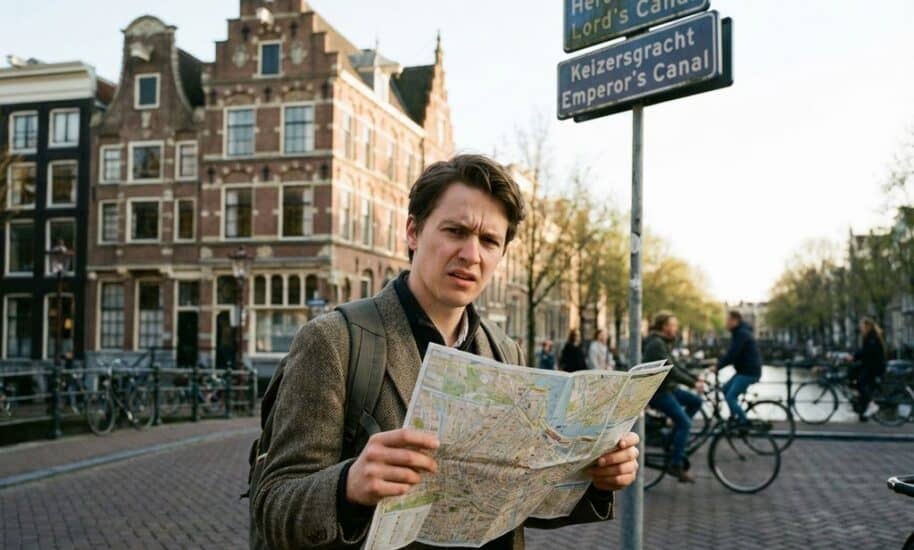
Language barriers in Amsterdam are generally minimal due to widespread English proficiency among residents and service providers. Most tourists can navigate the city comfortably using English, particularly in tourist areas, restaurants, and shops. However, learning basic Dutch phrases enhances your experience and shows cultural respect to locals, who appreciate the effort.
How widely is English spoken in Amsterdam?
English is exceptionally well spoken throughout Amsterdam, with approximately 90% of residents having conversational English skills. The Netherlands consistently ranks among the top non-native English-speaking countries globally, making communication straightforward for English-speaking visitors.
In tourist-heavy areas like the city centre, the Jordaan district, and major attractions, English is the standard language for visitor services. Restaurant staff, shop assistants, museum workers, and hotel personnel typically speak fluent English. Most menus are available in English, and many establishments proactively offer English-language service to international guests.
The coverage varies slightly between neighbourhoods. Central areas around Dam Square, the canal belt, and popular districts maintain near-universal English proficiency in commercial settings. In residential neighbourhoods farther from the centre, you might encounter fewer English speakers among older residents or in traditional local establishments, though younger Dutch people almost universally speak excellent English.
Public transport announcements are bilingual, and most signage includes English translations. Even informal interactions with locals typically proceed smoothly in English, as Amsterdam’s international character means residents are accustomed to English conversations.
What Dutch phrases should tourists learn before visiting Amsterdam?
Learning essential Dutch phrases demonstrates cultural respect and often delights locals, even when they respond in English. Basic greetings and polite expressions create positive interactions and show appreciation for Dutch culture during your Amsterdam travel experience.
Essential greetings include “Hallo” (hello), “Dank je wel” (thank you), “Alsjeblieft” (please/you’re welcome), and “Sorry” or “Pardon” (excuse me). These simple phrases work in most situations and are easy to pronounce for English speakers.
For restaurant interactions, useful phrases include “De rekening, alsjeblieft” (the bill, please), “Wat raadt u aan?” (What do you recommend?), and “Ik wil graag…” (I would like…). Many establishments appreciate the effort, even when staff immediately switch to English.
Navigation phrases prove helpful: “Waar is…?” (Where is…?), “Kunt u me helpen?” (Can you help me?), and “Spreekt u Engels?” (Do you speak English?). Learning numbers one through ten helps with prices and addresses.
Cultural courtesy phrases like “Prettige dag” (Have a nice day) and “Tot ziens” (Goodbye) leave positive impressions. While not necessary for communication, these expressions show respect for local customs and often result in warmer interactions with Amsterdam residents.
Which situations might require Dutch language skills in Amsterdam?
Dutch language skills become beneficial in specific administrative, traditional, and local community situations where English may not be readily available. While most tourist activities proceed smoothly in English, certain scenarios favour Dutch communication for optimal outcomes.
Government offices and administrative tasks sometimes require Dutch, particularly for complex procedures like residence permits, tax matters, or municipal services. While many civil servants speak English, official documents are primarily in Dutch, and some older staff members may prefer Dutch communication.
Traditional local markets, particularly neighbourhood markets outside tourist areas, may have vendors who primarily speak Dutch. The famous Noordermarkt and smaller community markets often feature older Dutch vendors who appreciate Dutch conversation, though younger staff typically accommodate English speakers.
Healthcare situations beyond basic tourist needs may require Dutch. While doctors and hospital staff speak English, local GP practices, pharmacies in residential areas, and administrative healthcare procedures often proceed more efficiently in Dutch.
Traditional brown cafés (oude kroegen) in local neighbourhoods sometimes cater primarily to Dutch-speaking regulars. These authentic establishments offer genuine local experiences, but interactions with older patrons and some staff may be limited without Dutch language skills.
Legal matters, banking beyond basic tourist services, and employment-related activities typically require Dutch proficiency. These situations extend beyond typical tourist needs but become relevant for extended stays or business purposes.
How can tourists overcome language challenges while exploring Amsterdam?
Multiple practical strategies help tourists navigate any language challenges in Amsterdam effectively. Modern technology, local resources, and strategic planning ensure smooth communication even when Dutch language skills are limited.
Translation apps like Google Translate offer real-time camera translation for menus, signs, and documents. The app’s conversation feature enables two-way translation for complex discussions. Offline translation capabilities work without internet connectivity, making them reliable in all situations.
Most younger Amsterdam residents speak excellent English and willingly help tourists. Hotel concierges, tourist information centres, and museum staff provide comprehensive assistance in English. Many locals proactively offer help when they notice tourists struggling with directions or information.
Guided tours eliminate language barriers entirely while providing expert local knowledge. Professional guides offer comprehensive Amsterdam travel tips, navigate complex historical information, and facilitate interactions with local culture. Our cultural city tours through Amsterdam’s historic centre provide two-hour explorations with German-speaking guides who share insider knowledge about the city’s hidden gems, restaurant recommendations, and neighbourhood insights.
Visual communication works effectively in Amsterdam’s tourist-friendly environment. Pointing at maps, showing photos of destinations, and using gestures typically achieve the desired results. Most service providers are experienced with international visitors and understand non-verbal communication cues.
Preparation helps significantly: download offline maps, save key addresses in Dutch, and research basic phrases for your specific activities. Many Amsterdam neighbourhood guide resources include phonetic pronunciations and cultural context that enhance your communication confidence throughout the city.

