


 Wish list
What local Amsterdam specialties enhance corporate dining experiences?
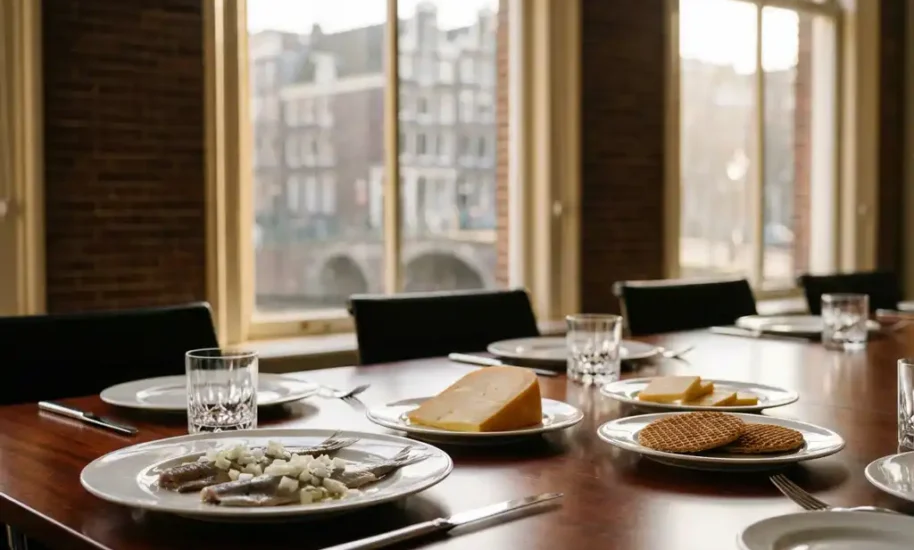
Amsterdam’s local specialties create exceptional corporate dining experiences by combining authentic Dutch culinary traditions with professional networking opportunities. Traditional dishes like bitterballen, Dutch cheese selections, and seasonal herring provide natural conversation starters while showcasing the city’s rich food culture. These specialties accommodate various dietary preferences and create memorable business entertainment that reflects Amsterdam’s unique character and hospitality traditions.
What makes Amsterdam’s local specialties perfect for corporate dining?
Amsterdam’s local specialties excel in corporate dining because they naturally encourage conversation and cultural exchange while maintaining professional elegance. Traditional Dutch dishes serve as excellent icebreakers, allowing international business partners to share authentic local experiences that go beyond typical corporate catering.
The city’s culinary heritage offers dishes that are both sophisticated and approachable, making them ideal for business settings. Dutch cheese platters featuring aged Gouda and Edam create relaxed networking opportunities, while traditional preparations like stamppot provide hearty, satisfying options that fuel productive business discussions.
Amsterdam’s food culture emphasizes quality ingredients and honest preparation methods, reflecting values that resonate well in professional environments. Local specialties often accommodate dietary restrictions naturally, with many traditional dishes being vegetarian-friendly or easily adapted for various preferences.
The seasonal nature of many Amsterdam specialties adds an element of timeliness to corporate events. Spring asparagus, summer herring, and winter comfort foods create relevant talking points that connect business dining to the local calendar and cultural rhythms of the city.
Which traditional Amsterdam dishes work best for business events?
The most successful traditional Amsterdam dishes for business events include bitterballen, Dutch cheese selections, smoked fish platters, and seasonal vegetables like white asparagus. These dishes are easy to eat during networking, accommodate most dietary restrictions, and showcase authentic Dutch culinary heritage without being overly challenging for international palates.
Bitterballen remain the quintessential choice for corporate networking events. These crispy, bite-sized croquettes filled with seasoned ragout are perfect for standing receptions and encourage mingling while providing a genuine taste of Amsterdam’s pub culture in an elegant presentation.
Dutch cheese platters featuring aged varieties like 18-month Gouda, cumin cheese, and local farm selections work exceptionally well for business dining events in Amsterdam. They’re naturally gluten-free, provide excellent protein, and create opportunities for guided tastings that enhance the corporate entertainment experience.
Smoked eel and herring preparations, when presented professionally, offer sophisticated options that showcase Amsterdam’s maritime heritage. These can be served as elegant canapés or incorporated into modern presentations that respect tradition while meeting contemporary business dining standards.
Seasonal specialties like white asparagus in spring or pumpkin preparations in autumn demonstrate Amsterdam’s connection to local agriculture and provide talking points about Dutch farming traditions and seasonal cooking practices.
How do you incorporate Amsterdam’s food culture into corporate entertainment?
Successfully incorporating Amsterdam’s food culture into corporate entertainment involves blending traditional dining customs with professional networking needs. Start with welcoming drinks such as jenever tastings, incorporate communal dining elements that reflect Dutch social traditions, and include seasonal specialties that connect guests to the local calendar and cultural practices.
Begin corporate events with traditional Dutch hospitality customs, such as offering coffee with small biscuits or stroopwafels upon arrival. This immediately establishes cultural authenticity while providing familiar comfort for international business visitors.
Communal dining approaches work particularly well for Amsterdam food experiences. Family-style presentations of traditional dishes encourage interaction and reflect the Dutch cultural emphasis on shared meals and open conversation during business relationships.
Seasonal timing adds authenticity to corporate catering events in Amsterdam. Spring events can feature fresh herring and early vegetables, while winter gatherings might include heartier fare like erwtensoep (split pea soup) or traditional stews that reflect Amsterdam’s comfort food traditions.
Consider incorporating brief cultural explanations about dishes and their significance in Amsterdam’s history. This educational element enhances the dining experience while providing natural conversation topics that support business networking objectives.
Partner with local suppliers and traditional producers to ensure authenticity. Using ingredients from Amsterdam’s markets and established food artisans adds credibility to the cultural experience while supporting the local food community.
What should international business visitors know about Dutch dining etiquette?
Dutch business dining etiquette emphasizes punctuality, directness, and egalitarian behavior. Arrive exactly on time, engage in straightforward conversation, and expect informal yet respectful interactions. Dutch hosts appreciate guests who show genuine interest in local food culture while maintaining professional decorum throughout the meal.
Punctuality stands as the most important aspect of business dining customs in the Netherlands. Arriving late, even by a few minutes, is considered disrespectful and can negatively impact business relationships before they begin.
Dutch dining conversations tend to be more direct than in many other cultures. Business topics often arise naturally during meals, and hosts appreciate guests who can engage in straightforward discussions about work while enjoying their food.
Table manner expectations remain relatively informal compared to highly formal dining cultures. However, basic courtesies like waiting for everyone to be served and keeping hands visible on the table are important for creating positive impressions.
Tipping practices in Amsterdam business dining typically involve rounding up the bill or adding 5–10% for excellent service. Excessive tipping can actually create awkwardness, as Dutch culture values modest, appropriate gestures over grand displays.
Dietary restrictions and preferences should be communicated clearly and early. Dutch hosts are generally accommodating and appreciate direct communication about food needs rather than polite suffering through unsuitable meals.
Amsterdam’s corporate dining culture creates unique opportunities to blend authentic local experiences with professional networking. The city’s culinary traditions naturally support business relationship building through shared cultural experiences and quality local ingredients. When planning your next Amsterdam business event, we can help you create memorable dining experiences that showcase the best of Dutch hospitality while supporting your professional objectives through expertly guided local insights.

