


 Wish list
What makes Amsterdam tours educational?
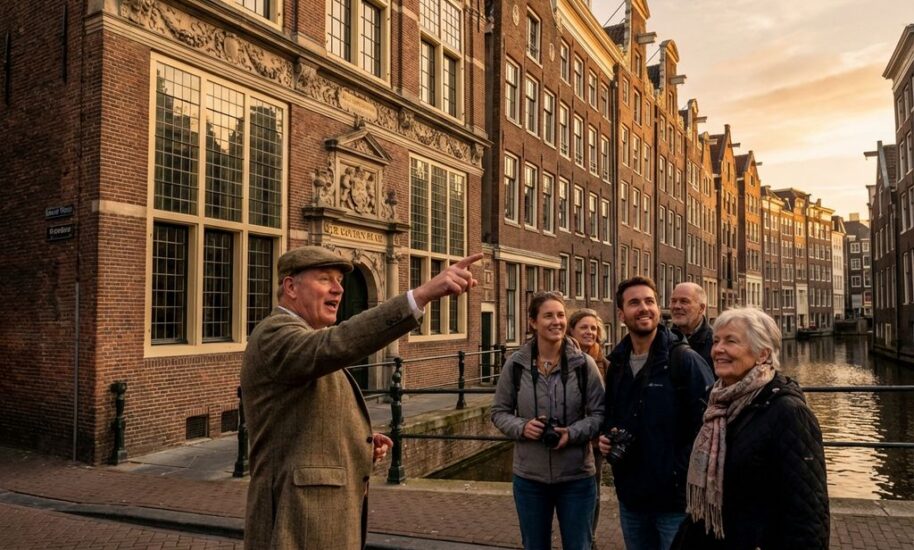
Amsterdam tours become educational through interactive storytelling, expert local knowledge, and meaningful historical context that transforms passive sightseeing into active learning experiences. The best tours combine personal anecdotes, cultural insights, and hidden stories that reveal the city’s layered history. Small-group settings enable deeper engagement and personalised attention that enhance understanding.
What actually makes a tour educational instead of just sightseeing?
Educational tours engage participants through interactive storytelling, historical context, and meaningful connections rather than simply pointing out landmarks. The difference lies in how guides present information and encourage active participation from visitors.
The key distinction between educational tours and basic sightseeing is the depth of engagement. Educational Amsterdam tours create learning experiences through several important elements. Guided city tours use storytelling techniques that connect historical events to present-day Amsterdam, making the past feel relevant and alive. They encourage questions and discussions, transforming the group into active participants rather than passive observers.
Interactive elements play a vital role in educational experiences. Guides might ask participants to observe architectural details, compare different building styles, or imagine how streets looked centuries ago. This active observation develops critical thinking skills and creates lasting memories.
Educational tours also provide context that explains why certain events happened and how they shaped modern Amsterdam. Rather than simply stating that the Jordaan was a working-class neighbourhood, educational guides explain the economic conditions that created it, how residents lived, and why it evolved into today’s trendy area.
The pacing of educational tours allows time for reflection and understanding. Guides pause at significant locations, giving participants moments to absorb information and ask follow-up questions. This approach ensures that learning happens gradually and naturally throughout the experience.
How do expert guides transform Amsterdam’s streets into living classrooms?
Expert guides use personal stories, local knowledge, and immersive techniques to create outdoor learning environments. They connect historical facts to visible evidence in the cityscape, making abstract concepts tangible and memorable for participants.
Knowledgeable local guides possess a deep understanding of Amsterdam’s cultural nuances that extends far beyond basic historical facts. They share personal experiences of living in the city, explaining how neighbourhoods have changed, which local traditions continue, and what daily life looks like for residents today.
These guides excel at pointing out details that visitors would otherwise miss. They highlight subtle architectural features that reveal building ages, explain why certain streets follow particular patterns, and identify remnants of old city walls or filled-in canals. This attention to detail helps participants develop observational skills they can use throughout their Amsterdam itinerary.
Storytelling techniques bring historical figures to life. Expert guides describe Rembrandt’s daily routine, explain how Golden Age merchants conducted business, or share tales of resistance during World War II. These personal narratives create emotional connections that make historical events more memorable and meaningful.
Local guides also provide practical cultural insights that enhance understanding. They explain Dutch social customs, describe how the bicycle culture developed, and clarify why Amsterdam’s liberal policies evolved. This cultural context helps visitors appreciate the city’s unique character and understand contemporary Dutch society.
The best guides adapt their teaching style to group interests and energy levels. They recognise when participants need more detailed explanations or when it’s time to move forward. This flexibility ensures that learning remains engaging and appropriate for all participants.
What historical layers can you actually discover on Amsterdam walking tours?
Amsterdam walking tours reveal multiple historical periods through architecture, street layouts, and hidden stories spanning from medieval origins through Golden Age prosperity to modern developments. Each neighbourhood contains visible evidence of different eras.
Medieval Amsterdam becomes visible through the curved street pattern of the old city centre. Walking tours point out how modern streets follow ancient pathways, where the original city walls stood, and which buildings contain medieval foundations. The Oude Kerk area particularly showcases this early period, with narrow alleys and irregular plots that reflect organic medieval growth.
The Golden Age period dominates much of central Amsterdam’s appearance. Tours reveal this era through the famous canal ring, elegant merchant houses, and architectural details that display 17th-century wealth. Guides explain how the systematic canal expansion reflected urban planning principles and economic prosperity that made Amsterdam a global trading centre.
Industrial-period developments appear in neighbourhoods like the Jordaan and Plantage areas. Walking tours explore how 19th-century population growth created new residential areas, how transportation needs shaped street widths, and where old factories and warehouses have been adapted to modern uses.
World War II history emerges through memorial plaques, preserved hiding places, and stories of resistance and survival. Tours often include locations like the Jewish Quarter, explaining how the war dramatically changed Amsterdam’s demographics and culture.
Modern Amsterdam attractions showcase contemporary urban planning and cultural developments. Tours might explore how old industrial areas were transformed into cultural districts, how sustainable transportation policies developed, or how immigration patterns created today’s multicultural neighbourhoods.
Each historical layer remains visible through careful observation. Expert guides help participants recognise building materials that indicate construction periods, architectural styles that reflect different eras, and street names that commemorate historical events or figures.
Why do small group tours offer better educational experiences than large groups?
Small-group tours enable personalised attention, encourage active participation, and create intimate learning environments where participants feel comfortable asking questions and engaging in discussions with both guides and fellow travellers.
Group size directly impacts the quality of educational experiences. Small groups allow guides to tailor their presentations to participants’ interests and knowledge levels. When someone shows particular interest in architecture, art history, or local culture, guides can provide additional information and recommend relevant Amsterdam activities for independent exploration.
Question opportunities increase dramatically in smaller settings. Participants feel more comfortable interrupting with questions, requesting clarification, or sharing their own observations. This interactive dynamic creates collaborative learning experiences where everyone contributes to group understanding.
Practical advantages of small groups include better positioning for viewing important details, easier movement through crowded areas, and improved audio quality when guides speak. Everyone can see architectural features, read historical plaques, and hear explanations clearly without straining or missing information.
Small groups also foster connections between participants. People share their own travel experiences, compare observations, and often continue discussions after tours end. These social interactions enhance learning by providing multiple perspectives on the same information.
Guides can monitor comprehension more effectively with fewer participants. They notice when someone seems confused, adjust their pace accordingly, and ensure that everyone understands key concepts before moving forward. This personalised attention prevents participants from feeling lost or overwhelmed.
The intimate atmosphere of small groups encourages deeper engagement with sensitive historical topics. Discussions about wartime experiences, social issues, or cultural differences feel more appropriate and respectful in smaller settings where guides can gauge reactions and provide appropriate context.
Making the most of your Amsterdam tour experience
Educational Amsterdam tours transform simple sightseeing into meaningful learning experiences through expert guidance, interactive engagement, and comprehensive historical context. The combination of skilled storytelling, local knowledge, and small-group dynamics creates lasting memories and deeper understanding of this remarkable city.
When planning your Amsterdam attractions visits, consider how different tour styles match your learning preferences. Educational tours provide foundations for independent exploration, helping you recognise historical details and cultural nuances throughout your stay. For additional insights and recommendations, explore our Amsterdam tips to enhance your visit further.
We at Incredible Amsterdam specialise in creating these educational experiences through our cultural walking tours, where expert guides share their deep local knowledge in intimate group settings. Our comprehensive tours combine all these educational elements, revealing Amsterdam’s fascinating layers while providing practical insights for your continued exploration. To learn more about Incredible Amsterdam and our approach to educational touring, or to plan your visit, please contact us for personalised recommendations that will make your Amsterdam experience truly unforgettable.

