


 Wish list
What sustainable activities does Amsterdam offer?
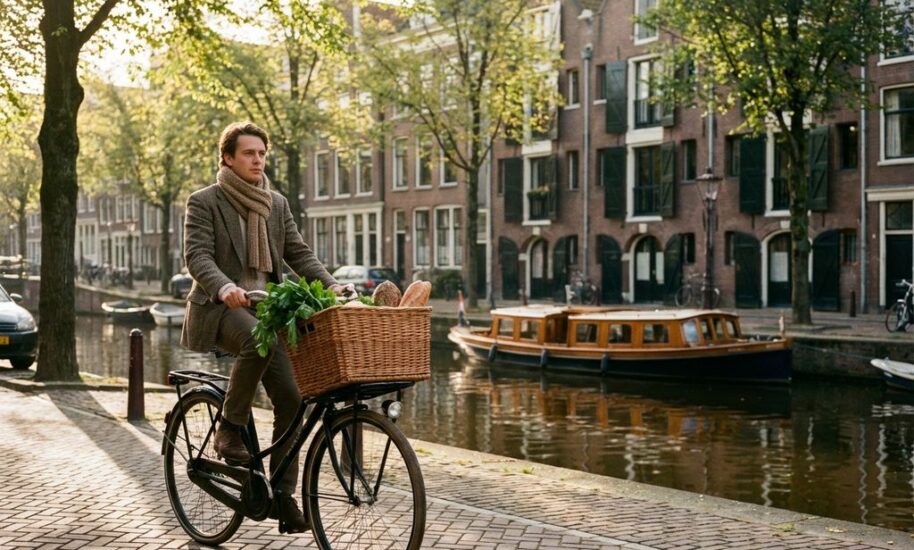
Amsterdam offers numerous sustainable activities that allow visitors to explore the city while minimising their environmental impact. From cycling through historic neighbourhoods to taking electric canal tours, the Dutch capital provides eco-conscious travellers with authentic experiences that support local conservation efforts and green initiatives. These sustainable options include environmentally friendly transport, green attractions, and responsible dining choices.
What makes Amsterdam a leader in sustainable tourism?
Amsterdam leads sustainable tourism through its comprehensive circular economy approach, extensive cycling infrastructure, and commitment to becoming carbon-neutral by 2030. The city actively promotes responsible travel through visitor management policies, green certifications for businesses, and investment in renewable energy systems throughout the tourism sector.
The city’s circular tourism strategy focuses on reducing waste, promoting local businesses, and encouraging longer stays with deeper cultural engagement. Amsterdam has implemented visitor caps in popular areas, redirected tourists to lesser-known neighbourhoods, and created green corridors connecting sustainable attractions.
Amsterdam’s extensive network of bike paths, electric public transport, and pedestrian-friendly zones makes it naturally suited to low-impact exploration. The city’s commitment to preserving its UNESCO World Heritage canal ring while implementing modern sustainability measures demonstrates how historic destinations can embrace environmental responsibility without compromising their cultural authenticity.
Which eco-friendly transportation options help you explore Amsterdam sustainably?
Cycling remains Amsterdam’s most sustainable transport option, with over 800 kilometres of bike paths connecting all major attractions and neighbourhoods. Electric boats, comprehensive public transport, and walking tours provide additional low-impact ways to experience the city while supporting environmental goals and reducing carbon emissions.
Bicycle rental offers the most authentic Amsterdam experience while producing zero emissions. The city’s flat terrain and dedicated cycling infrastructure make biking accessible for all fitness levels. Many rental companies now offer electric bikes for longer distances or for those preferring assisted cycling.
Public transport in Amsterdam increasingly runs on renewable energy, with electric trams, buses, and metro lines efficiently connecting all districts. Day passes encourage tourists to use public transport rather than taxis or private vehicles, significantly reducing individual carbon footprints.
Electric canal boats provide sustainable alternatives to traditional diesel-powered tours. These quiet vessels allow for wildlife observation while exploring Amsterdam’s historic waterways without disturbing the ecosystem or contributing to air pollution in the city centre.
What are the most sustainable attractions and activities in Amsterdam?
Amsterdam’s most sustainable attractions include green museums like the Van Gogh Museum with solar panels, organic markets such as Noordermarkt, and nature areas like Vondelpark and Amsterdamse Bos. These destinations actively promote environmental education, support local communities, and implement conservation practices that protect the city’s natural and cultural heritage.
The Rijksmuseum and Van Gogh Museum have achieved significant sustainability certifications through energy-efficient lighting, waste reduction programmes, and partnerships with local suppliers. Many museums now offer digital guides to reduce paper consumption and provide multilingual accessibility.
Amsterdam’s weekend markets, particularly Noordermarkt and Boerenmarkt, showcase local organic produce, sustainable fashion, and handcrafted goods. These markets support regional farmers, reduce transport emissions, and offer visitors authentic Dutch products while strengthening the local economy.
The city’s parks and green spaces, including Vondelpark, Oosterpark, and the expansive Amsterdamse Bos, provide natural retreats within the urban environment. These areas support biodiversity, offer free recreational activities, and demonstrate sustainable urban planning through native plant species and water management systems.
How can you choose responsible accommodation and dining options in Amsterdam?
Responsible accommodation in Amsterdam includes hotels with Green Key certification, eco-friendly hostels using renewable energy, and local guesthouses supporting community initiatives. Sustainable dining focuses on restaurants serving organic, locally sourced ingredients, plant-based options, and establishments committed to reducing food waste and supporting Dutch agricultural communities.
Many Amsterdam hotels now hold Green Key or EarthCheck certifications, indicating a genuine commitment to environmental practices including energy efficiency, waste reduction, and sustainable sourcing. These accommodations often provide bicycle rentals, use eco-friendly cleaning products, and support local environmental projects.
The city’s restaurant scene increasingly emphasises farm-to-table dining, with establishments sourcing ingredients from Dutch farms and urban gardens. Many restaurants offer extensive vegetarian and vegan menus, reflecting growing awareness of food sustainability and reduced environmental impact.
Local food markets and neighbourhood cafés provide authentic dining experiences while supporting small businesses and reducing food miles. These venues often feature seasonal menus, minimal packaging, and direct relationships with local producers, creating more sustainable and culturally meaningful dining experiences.
Amsterdam’s commitment to sustainable tourism creates opportunities for environmentally conscious visitors to enjoy authentic experiences while supporting the city’s green initiatives. By choosing eco-friendly transport, responsible attractions, and sustainable accommodation and dining options, travellers contribute to preserving Amsterdam’s unique character for future generations. These sustainable things to do in Amsterdam demonstrate how tourism can positively impact both local communities and the environment, making every visit meaningful and responsible.

