


 Wish list
What time of day is best for Amsterdam walking tours?
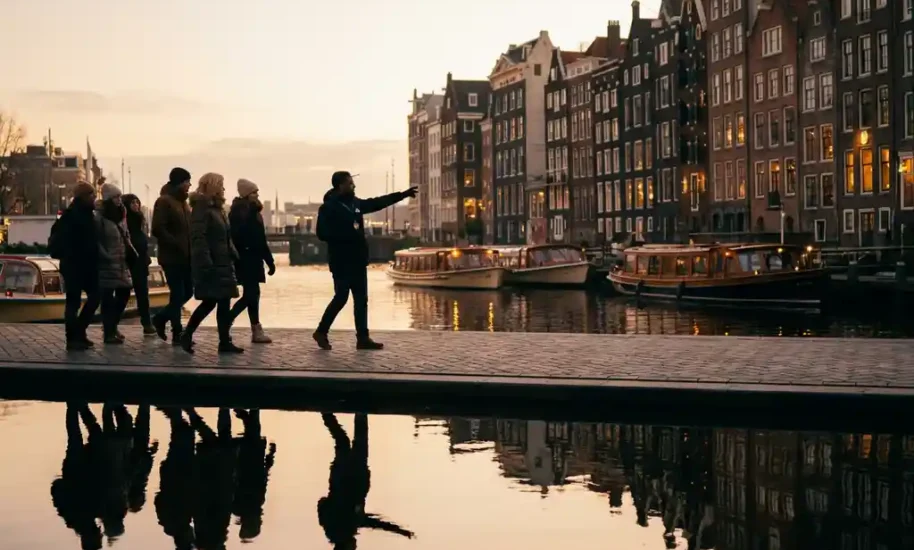
The best time for Amsterdam walking tours depends on your priorities: morning tours (9-11 AM) offer the best photo opportunities and fewer crowds, while evening tours (5-7 PM) provide magical lighting and a romantic atmosphere. Mid-morning generally strikes the ideal balance between good lighting, manageable crowds, and comfortable weather conditions.
Your choice of timing can dramatically impact your experience, from the quality of your photos to how easily you can navigate popular attractions. Different times of day offer distinct advantages depending on whether you prioritize photography, crowd avoidance, or atmospheric lighting.
Let’s explore the key factors that should influence when you schedule your Amsterdam walking tour.
Why do morning tours offer better photo opportunities?
Morning tours provide the best natural lighting conditions for photography, with soft, golden light that enhances Amsterdam’s historic architecture and canal reflections. The sun sits at an optimal angle between 9-11 AM, creating even illumination without harsh shadows that can ruin photos of the city’s iconic gabled houses and bridges.
The quality of morning light transforms Amsterdam’s already photogenic scenery into something truly spectacular. During these early hours, the low sun angle creates a warm glow that brings out the rich colors of the historic buildings along the canals. The famous Amsterdam gabled houses, with their distinctive stepped facades, photograph beautifully in this soft light without the stark contrasts you’ll encounter during midday hours.
Morning air tends to be clearer and less hazy than later in the day, which means sharper, more vibrant photos. You’ll also find that the canal water is typically calmer in the morning, creating perfect mirror-like reflections of the surrounding architecture. This is particularly stunning when photographing areas like the Herengracht or Prinsengracht, where the symmetrical reflections double the visual impact of your shots.
Another significant advantage is the absence of tour buses and large crowds that can obstruct your view of key landmarks. Popular photo spots like the Magere Brug (Skinny Bridge) or the picturesque corners of the Jordaan district remain relatively peaceful, allowing you to capture clean shots without having to wait for crowds to clear or work around other photographers.
How do crowd levels change throughout the day?
Crowd levels in Amsterdam follow a predictable pattern: lightest from 9-10 AM, moderate from 10 AM-2 PM, heaviest from 2-5 PM, and decreasing again after 6 PM. Morning walking tours encounter significantly fewer tourists at major attractions, making navigation easier and creating a more intimate experience.
The early morning hours offer a completely different Amsterdam experience. Between 9-10 AM, you’ll encounter mostly locals heading to work or walking their dogs, giving you an authentic glimpse of daily life in the city. Popular tourist areas like Dam Square and the area around the Royal Palace feel spacious and manageable, allowing your group to move freely and your guide to share stories without competing with noise from other tour groups.
As the day progresses, crowd dynamics shift dramatically. By 11 AM, you’ll start seeing other tour groups, but numbers remain reasonable. The period from 2-5 PM represents peak tourist hours when cruise ship passengers, day-trippers, and afternoon tour groups converge on the city center. During these hours, popular walking routes can become congested, particularly around the narrow streets in the Red Light District and the area surrounding the Anne Frank House.
Evening tours after 6 PM offer a sweet spot for crowd avoidance. Many day tourists have departed, and the atmosphere becomes more relaxed. However, this timing coincides with Amsterdam’s dinner rush, so while tourist crowds decrease, you might encounter more local foot traffic around restaurants and cafes.
Weekend crowd patterns differ slightly, with Saturday mornings being busier than weekday mornings, but Sunday mornings often provide the quietest walking tour conditions of the week.
What weather factors should influence your tour timing?
Amsterdam’s unpredictable weather makes timing important for comfort and safety during walking tours. Morning tours typically encounter the most stable weather conditions, while afternoon tours face higher chances of rain and stronger winds, especially during autumn and winter months.
Amsterdam’s maritime climate means weather can change rapidly throughout the day. Morning hours generally offer the most stable conditions, with calmer winds and lower chances of sudden rain showers. This stability makes morning tours particularly appealing during Amsterdam’s notoriously wet months from October through March, when afternoon downpours are common.
Temperature considerations vary by season but follow consistent daily patterns. During summer months, morning tours help you avoid the midday heat that can make walking uncomfortable, especially when exploring areas with limited shade like Dam Square or the broader sections of major canals. In winter, afternoon tours might seem appealing for warmer temperatures, but the trade-off often includes dealing with stronger winds that make the felt temperature much colder.
Wind patterns in Amsterdam intensify throughout the day due to the city’s flat topography and proximity to water. Morning tours benefit from calmer conditions, which is particularly important when walking along the canals where wind can be channeled and amplified by the water and surrounding buildings.
Seasonal daylight also impacts tour timing significantly. During winter months, afternoon tours risk ending in darkness, which can limit visibility of architectural details and make navigation more challenging. Summer offers more flexibility, but the extended daylight hours make evening tours particularly appealing for experiencing Amsterdam’s famous “blue hour” lighting.
When do Amsterdam’s attractions have the best accessibility?
Most Amsterdam attractions offer the best accessibility during morning hours from 9-11 AM when entrance queues are shortest and indoor spaces are less crowded. Museums and historic sites typically open at 9 or 10 AM with minimal wait times, while afternoon visits often require longer queues and more crowded viewing conditions.
Popular attractions like the Anne Frank House, Van Gogh Museum, and Rijksmuseum experience their heaviest crowds between 1-4 PM. Morning walking tours that include stops at these locations benefit from shorter lines and more comfortable viewing conditions inside. Even attractions that don’t require advance booking, such as the Royal Palace or Nieuwe Kerk, offer better accessibility in the morning when you can move through spaces more freely.
Outdoor attractions and viewpoints also provide better accessibility during morning hours. The climb up the Westerkerk tower, for example, is more enjoyable when you’re not competing with large crowds for viewing space at the top. Similarly, walking through the narrow streets of the Begijnhof or exploring the small courtyards throughout the city center feels more intimate and authentic when visitor numbers are lower.
Public transportation accessibility also varies throughout the day. Morning tours benefit from more reliable tram schedules and less crowded public transport, which is particularly relevant if your walking tour includes stops that require short tram rides between districts.
Restaurant and cafe accessibility follows the opposite pattern. Morning tours might limit your options for mid-tour refreshments, as many Amsterdam cafes don’t open until 10 or 11 AM. However, this timing works well for tours that conclude with lunch recommendations, allowing you to explore dining options when restaurants are opening for their lunch service.
How does evening lighting transform the tour experience?
Evening tours between 5-7 PM showcase Amsterdam’s magical transformation as historic buildings and bridges illuminate against the darkening sky, creating a romantic atmosphere that’s completely different from daytime experiences. The city’s canal-side lighting and historic street lamps create warm, golden reflections on the water that highlight Amsterdam’s unique character.
The transition from daylight to evening lighting reveals Amsterdam’s dual personality. As natural light fades, the city’s extensive lighting system gradually takes over, illuminating the historic canal houses, bridges, and public spaces with a warm glow that emphasizes the architectural details often lost in harsh daylight. The famous Amsterdam canal belt becomes particularly stunning during this “blue hour” when the sky provides a deep blue backdrop for the illuminated buildings.
Evening lighting transforms photography opportunities in unique ways. While morning tours offer better natural light for traditional photography, evening tours provide opportunities for dramatic shots with illuminated reflections and atmospheric lighting. The contrast between lit windows in canal houses and the darkening sky creates compelling compositions that capture Amsterdam’s cozy, lived-in character.
The social atmosphere of the city also shifts dramatically in the evening. As office workers transition to evening activities and restaurants begin their dinner service, you’ll experience Amsterdam’s vibrant social life. This timing allows walking tours to showcase not just the city’s history and architecture, but also its contemporary culture and evening energy.
However, evening tours require some practical considerations. Visibility of architectural details decreases as natural light fades, which might limit your guide’s ability to point out intricate building features or historical elements. Additionally, evening tours work best during months with later sunsets, making them less appealing during winter when darkness falls by 4 PM.
How Incredible Amsterdam helps with optimal tour timing
Incredible Amsterdam provides expert guidance to help you choose the perfect timing for your walking tour based on your specific interests and priorities. Our experienced local guides understand how different times of day affect your Amsterdam experience and can recommend the ideal schedule to match your goals.
Here’s how we ensure you get the most from your perfectly timed tour:
- Personalized timing recommendations based on your photography interests, crowd preferences, and weather conditions
- Multiple daily tour options allowing you to choose morning sessions for optimal lighting or evening tours for atmospheric experiences
- Real-time weather monitoring and flexible rescheduling to ensure comfortable walking conditions
- Strategic route planning that maximizes attraction accessibility during your chosen time slot
- Expert local insights about how timing affects specific neighborhoods and landmarks throughout the city
Whether you prioritize stunning photography opportunities in the morning light or prefer the romantic ambiance of evening canal illumination, our guides will ensure your tour timing perfectly matches your Amsterdam vision. Contact us today to discuss the ideal timing for your personalized Amsterdam walking experience.

