


 Wish list
What type of shoes are best for walking on Amsterdam’s cobblestones?
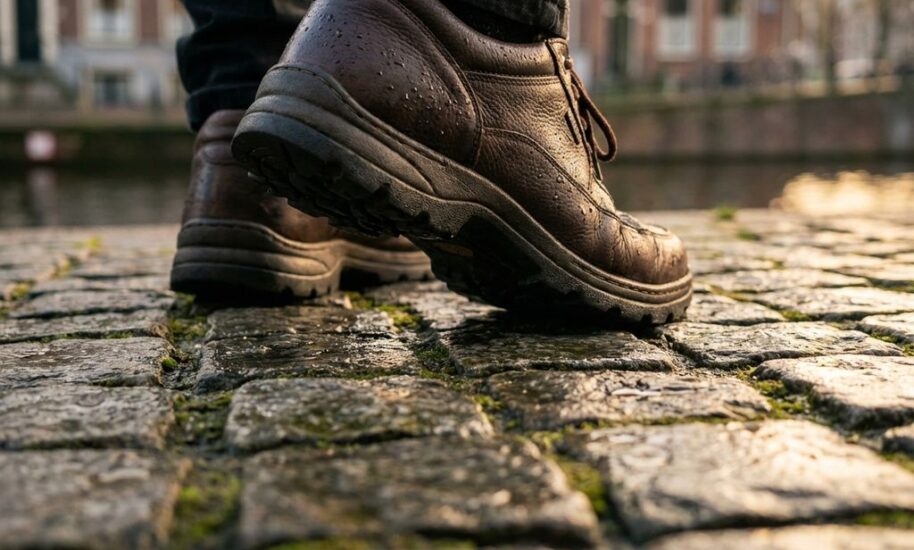
For walking on Amsterdam’s cobblestone streets, comfortable walking shoes with thick, flexible soles and good ankle support work best. Proper hiking boots or quality trainers with deep tread patterns provide the stability needed for uneven surfaces. The right footwear prevents foot fatigue and reduces the risk of slipping on wet cobblestones during your Amsterdam explorations.
What makes Amsterdam’s cobblestones so challenging for regular shoes?
Amsterdam’s cobblestones create unique walking challenges due to their irregular surfaces and significant gaps between stones. These historic streets feature traditional Dutch cobblestone construction with varying stone sizes and uneven placement that has shifted over centuries.
The gaps between cobblestones can trap thin shoe soles and create unstable footing, which is especially problematic for visitors wearing fashion shoes or thin-soled footwear. When wet from Amsterdam’s frequent rain, these surfaces become particularly slippery, making proper footwear essential for safe navigation through the city’s historic neighbourhoods.
Regular shoes often fail because their smooth soles lack the grip needed for cobblestone texture, while thin soles provide insufficient protection from the uneven pressure points created by individual stones. Tourists frequently experience foot discomfort after just a few hours of walking on these surfaces without appropriate footwear.
Which shoe features are most important for walking on cobblestones?
Thick, flexible soles with deep tread patterns are the most crucial features for cobblestone walking. The sole should be at least 15 mm thick to cushion your feet from uneven stone surfaces while remaining flexible enough to adapt to irregular terrain.
Ankle support becomes particularly important when navigating Amsterdam’s cobblestone streets, as the uneven surfaces can cause your foot to roll unexpectedly. Look for shoes that extend above the ankle or provide firm lateral support to prevent injury during extended walking tours.
Material flexibility allows your shoe to bend and adapt to the cobblestone surface rather than working against it. Quality walking shoes with breathable, water-resistant materials also help manage Amsterdam’s variable weather conditions while you explore different neighbourhoods.
Tread patterns should feature deep grooves and varied textures to provide maximum grip on both dry and wet cobblestones. Avoid completely smooth soles or minimal tread designs that offer insufficient traction on these historic surfaces.
What are the best types of shoes for Amsterdam’s cobblestone streets?
Hiking boots, quality walking trainers, and supportive athletic shoes perform best on Amsterdam’s cobblestone streets. These shoe categories offer the combination of sole thickness, ankle support, and grip needed for comfortable navigation of historic areas.
Walking shoes specifically designed for urban exploration work excellently, particularly those with memory foam cushioning and robust outsoles. Brands focusing on comfort-walking technology provide the support needed for extended periods exploring Amsterdam’s city centre on foot.
For warmer weather, choose breathable athletic trainers with substantial sole construction rather than lightweight running shoes. The extra weight provides better stability on uneven surfaces, while proper ventilation keeps feet comfortable during longer walking tours.
Waterproof hiking boots excel in Amsterdam’s wet conditions, offering superior ankle protection and grip. However, ensure they’re broken in properly before your trip, as stiff new boots can cause discomfort during extended walking sessions through the historic districts covered in our cultural city tours.
How do you choose the right shoe size and fit for cobblestone walking?
Choose shoes half a size larger than normal to accommodate foot swelling during extended cobblestone walking. Your feet will expand throughout the day, particularly when walking on uneven surfaces that require more muscle engagement than flat pavement.
Ensure adequate toe room by checking that you can wiggle your toes freely when standing. The additional space prevents pressure points that become painful when your foot shifts within the shoe on uneven cobblestone surfaces.
Break in new shoes at least two weeks before your Amsterdam trip by wearing them for progressively longer periods. Start with 30-minute walks and gradually increase to match the duration of planned walking tours through the city’s historic areas.
Consider the thickness of walking socks when fitting shoes, as quality cushioned socks provide additional comfort and help prevent blisters. Test your complete walking setup, including socks, shoes, and any orthotics, before relying on them for full-day exploration of Amsterdam’s cobblestone streets.
Proper footwear transforms your Amsterdam experience from potentially uncomfortable to thoroughly enjoyable. Whether you’re exploring independently or joining guided walking tours through the historic centre, the right shoes ensure you can focus on discovering the city’s beauty rather than managing foot discomfort. Quality footwear is particularly important for comprehensive cultural tours that cover significant ground across Amsterdam’s charming cobblestone districts.

