


 Wish list
Where do Amsterdam locals go that tourists often miss?
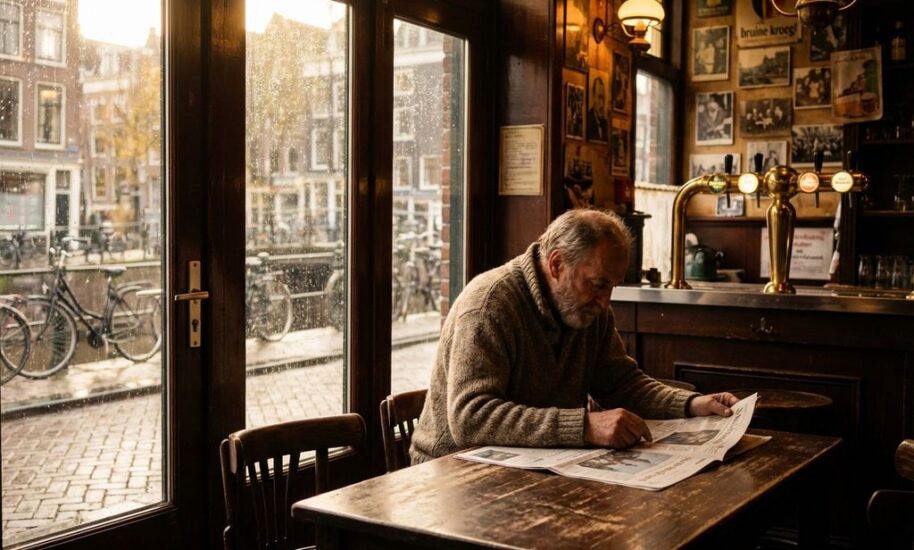
Amsterdam locals spend their time in residential neighbourhoods like De Pijp, Noord, and Oost, where authentic community life thrives away from tourist crowds. They frequent neighbourhood cafés, local markets, and lesser-known parks that offer genuine Dutch experiences. Understanding these local habits helps you explore Amsterdam beyond the typical tourist attractions and discover the city’s true character.
What neighbourhoods do Amsterdam locals actually hang out in?
Amsterdam residents gravitate towards De Pijp, Noord, and Oost for their daily social activities and community life. These districts offer authentic local atmospheres with independent shops, neighbourhood cafés, and community spaces that tourists rarely discover during their Amsterdam itineraries.
De Pijp, located south of the city centre, buzzes with local energy around Albert Cuyp Market. You’ll find residents shopping for fresh produce, meeting friends at corner cafés, and enjoying evening drinks at local bars. The neighbourhood maintains its working-class character while attracting young professionals who appreciate its authentic feel.
Amsterdam Noord has transformed from an industrial area into a creative hub where locals live and work. The neighbourhood features converted warehouses, artist studios, and waterfront spaces where residents gather for weekend markets and cultural events. Many locals cycle across the IJ river to enjoy Noord’s spacious parks and alternative cultural scene.
Oost attracts families and young professionals seeking more space and a stronger sense of community. The area around Oosterpark hosts local festivals and markets where neighbours meet regularly. Park Frankendael offers gardens and a farmhouse restaurant that locals visit for weekend brunches and evening walks.
These neighbourhoods provide insight into genuine Amsterdam life, where residents build communities around local businesses, seasonal markets, and neighbourhood events. When planning Amsterdam activities, consider spending time in these areas to experience the city’s authentic social fabric.
Where do locals go for coffee and food that tourists don’t know about?
Local Amsterdam residents frequent neighbourhood brown cafés, family-run eateries, and market stalls that operate away from main tourist routes. These establishments offer traditional Dutch hospitality, reasonable prices, and authentic cuisine that reflects the city’s genuine food culture.
Brown cafés (bruine kroegen) serve as community living rooms where locals meet for coffee, beer, and conversation. These traditional pubs feature dark wood interiors, candlelit tables, and regulars who’ve been visiting for decades. You’ll find them tucked into residential streets, serving simple food alongside local beers and jenever.
Neighbourhood markets provide fresh ingredients and prepared foods that locals rely on for daily meals. Beyond the famous Albert Cuyp Market, residents shop at smaller weekly markets in their own districts. These markets feature local cheese vendors, fresh bread stalls, and seasonal produce that reflects Dutch agricultural traditions.
Family-run restaurants in residential areas serve traditional Dutch cuisine alongside international dishes that reflect Amsterdam’s diverse population. These establishments focus on quality ingredients and reasonable prices rather than tourist appeal. Many have been serving the same neighbourhoods for generations, building loyal local followings.
Local food halls and smaller cafés near parks and community centres offer gathering spaces where residents meet regularly. These venues often feature locally roasted coffee, homemade pastries, and lunch options that cater to neighbourhood tastes rather than tourist expectations.
What outdoor spaces and parks do Amsterdam residents prefer over tourist hotspots?
Amsterdam locals prefer Oosterpark, Westerpark, and waterfront areas along the IJ river for outdoor recreation and relaxation. These spaces offer more room, fewer crowds, and authentic community atmospheres compared to busy tourist destinations like Vondelpark.
Oosterpark provides spacious lawns, walking paths, and regular community events that attract local families and dog owners. The park features a pond, playground areas, and open spaces perfect for picnics and sports activities. Locals appreciate its relaxed atmosphere and its connection to the surrounding Oost neighbourhood’s cafés and shops.
Westerpark combines natural green space with cultural venues in a former industrial area. Residents visit for weekend markets, outdoor concerts, and festival events throughout the year. The park’s size and varied landscape accommodate different activities, from jogging paths to quiet reading spots.
Waterfront areas along the IJ river, particularly in Noord, offer cycling paths, swimming spots, and beach areas where locals relax during warmer months. These spaces provide expansive views and fresh air away from the city centre’s density. Many residents cycle here for weekend recreation and evening walks.
Smaller neighbourhood parks and squares serve as daily gathering places for local communities. These intimate spaces feature playgrounds, benches, and small cafés where residents meet regularly. Park Frankendael, Sarphatipark, and various canal-side green spaces provide peaceful alternatives to crowded Amsterdam attractions.
Local residents also use the extensive network of cycling paths that connect parks and green spaces throughout the city. These routes offer scenic alternatives to tourist-heavy areas while providing practical transportation between neighbourhoods.
How do you experience Amsterdam like a local instead of a tourist?
Adopt local transportation habits, shop at neighbourhood markets, and participate in community activities to experience authentic Amsterdam life. This approach reveals the city’s genuine character beyond typical guided city tours and tourist-focused attractions.
Use public transport and cycling, as residents do, for daily movement around the city. Rent a proper Dutch bike and follow local cycling etiquette, including using designated bike lanes and parking in designated areas. Take trams and buses during rush hours to understand how locals navigate the city efficiently.
Shop at neighbourhood markets and local businesses rather than tourist-oriented stores. Visit weekly markets in different districts, buy fresh ingredients from local vendors, and support independent shops that serve residential communities. This provides insight into daily life and local economic patterns.
Participate in community activities and seasonal events that locals attend regularly. Join neighbourhood festivals, outdoor markets, and cultural events advertised in local venues rather than tourist guides. These activities offer genuine cultural exchange and community connection.
Establish routines around local cafés, parks, and community spaces. Choose a neighbourhood café for regular coffee visits, find a local park for daily walks, and discover community centres that host events and activities. This creates a deeper connection with specific areas and their residents.
Learn basic Dutch phrases and cultural customs that demonstrate respect for local culture. Understanding simple greetings, market interactions, and social norms helps build authentic connections with residents and local business owners. For more insights on navigating Amsterdam culture, check out our Amsterdam tips section.
Explore residential areas at different times of day to understand local rhythms and community life. Early morning market visits, afternoon park time, and evening neighbourhood walks reveal how locals structure their daily activities around community spaces and local businesses.
Discovering authentic Amsterdam requires moving beyond standard tourist routes to explore where residents actually live, work, and socialise. These local neighbourhoods, hidden food spots, peaceful parks, and community activities offer genuine insights into Dutch culture and city life. When you’re ready to explore Amsterdam’s historic centre with expert local knowledge, Incredible Amsterdam provides cultural walking tours that bridge tourist attractions with authentic local perspectives, helping you understand both the famous sights and the genuine Amsterdam that residents call home. If you’d like to learn more about Incredible Amsterdam or have questions about experiencing the city like a local, feel free to contact us.

