


 Wish list
Which Amsterdam canals offer the best photo opportunities?
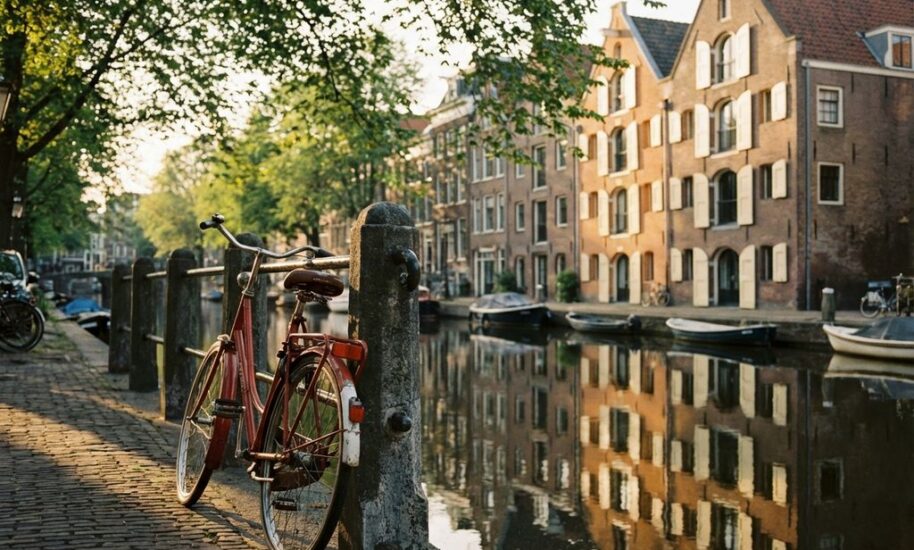
Amsterdam’s most photogenic canals include Herengracht, Prinsengracht, and Keizersgracht, each offering unique architectural backdrops and lighting conditions. The best photo opportunities occur during golden hour (sunrise and sunset), when warm light reflects off the water and illuminates the historic canal houses. Strategic viewpoints from bridges, along tree-lined stretches, and from boat tours provide diverse perspectives for capturing Amsterdam’s iconic waterways.
Which Amsterdam canals are the most photogenic for visitors?
The most photogenic Amsterdam canals are Herengracht, Prinsengracht, Keizersgracht, Singel, Reguliersgracht, and Brouwersgracht. Each canal offers distinct architectural features and visual compositions that create stunning photographs throughout the day.
Herengracht, known as the “Gentlemen’s Canal,” showcases Amsterdam’s most elegant 17th-century merchant houses. The stretch between Leidsestraat and Vijzelstraat features the famous Golden Bend, where grand mansions with ornate facades create impressive reflections in the calm water. The wide canal allows for excellent perspective shots that capture both sides of the waterway.
Prinsengracht offers diverse photographic opportunities along its 3.2-kilometre length. The canal passes major Amsterdam attractions, including the Anne Frank House, Westerkerk, and numerous houseboats that add colourful elements to compositions. The tree-lined sections near Noorderkerk provide natural framing for architectural photography.
Keizersgracht, the widest of the main canals, provides excellent vantage points for wide-angle photography. The canal’s generous width creates dramatic perspectives, particularly around the Nine Streets area, where charming bridges and historic buildings converge. The morning light along Keizersgracht illuminates the eastern facades beautifully.
Singel, Amsterdam’s innermost canal, features the famous floating flower market and the narrowest house in Amsterdam. These unique elements create interesting focal points for photography. The canal’s curved sections offer dynamic compositions that break away from typical straight-line canal shots.
Reguliersgracht provides intimate photography opportunities, with its seven consecutive bridges creating layered compositions. The canal’s narrower width and residential character offer a more personal perspective on Amsterdam living. Brouwersgracht, consistently rated among the world’s most beautiful streets, combines historic warehouses with modern houseboats for diverse photographic subjects.
What time of day offers the best lighting for canal photography?
Golden hour (about one hour after sunrise and one hour before sunset) provides the most flattering light for canal photography. During these times, warm, soft light enhances building facades and creates beautiful reflections on the water surface, while blue hour offers magical twilight conditions with illuminated windows and streetlights.
Morning golden hour, typically between 7:00 and 9:00 AM depending on the season, offers several advantages for canal photography. The low-angle sunlight illuminates the eastern facades of canal houses, creating depth and texture in architectural details. Morning light tends to be clearer and less hazy than evening light, producing sharp reflections on calm water surfaces.
Evening golden hour, occurring one to two hours before sunset, provides warm, romantic lighting that enhances Amsterdam’s historic atmosphere. The western light illuminates different building facades than morning light, offering varied photographic opportunities throughout the day. Evening sessions often feature more activity along the canals, adding life to compositions.
Blue hour occurs approximately 30 minutes after sunset, when the sky takes on deep blue tones while artificial lights begin to dominate. During this period, illuminated canal houses create striking contrasts against the twilight sky. Street lamps, bridge lighting, and warm window glows add atmospheric elements that transform daytime scenes into magical evening compositions.
Midday photography presents challenges but also opportunities. Harsh overhead lighting can create unflattering shadows on building facades, but it illuminates details in narrow alleyways and courtyards that remain shadowed during golden hour. Overcast days provide even, diffused lighting that works well for architectural photography and reduces harsh contrasts between light and shadow.
Different seasons affect optimal photography times significantly. Summer offers extended golden hours, with sunset occurring after 9:00 PM, while winter provides shorter but more dramatic lighting periods. Spring and autumn often feature the most reliable weather conditions for consistent outdoor photography sessions.
Where can you find the most Instagram-worthy canal photo spots?
The most Instagram-worthy canal photo spots include the Magere Brug (Skinny Bridge) over the Amstel River, the seven bridges view from Reguliersgracht, and the Bloemenmarkt floating flower market on Singel. These locations offer unique compositions that combine Amsterdam’s architectural heritage with photogenic elements like flowers, bridges, and distinctive houseboats.
Magere Brug provides one of Amsterdam’s most recognisable photography locations. The white wooden drawbridge creates elegant lines against the water, while the surrounding historic buildings provide context. Early morning and evening shots capture the bridge’s lighting beautifully, and the nearby Amstel Hotel adds architectural grandeur to compositions.
The seven bridges viewpoint on Reguliersgracht offers a unique perspective where multiple bridges align in a single frame. This spot requires precise positioning to capture all seven bridges, but the resulting image showcases Amsterdam’s canal engineering in a distinctive way. The location works best during quieter morning hours when fewer boats obstruct the view.
Bloemenmarkt combines colourful flowers with traditional canal house architecture. The floating market stalls create vibrant foreground elements, while the historic buildings provide classic Amsterdam backdrops. Spring and summer offer the most diverse flower displays, though the market operates year-round with seasonal variations.
The corner of Prinsengracht and Leliegracht features charming houseboats with flower boxes and unique decorations. This intersection provides intimate canal scenes that capture Amsterdam’s residential character. The narrow Leliegracht creates a tunnel-like perspective that draws viewers into the composition.
Brouwersgracht near the Noorderkerk offers wide canal views with historic warehouses and converted houseboats. The Saturday farmers’ market adds life and colour to weekend photography sessions. The bridge at this location provides elevated viewpoints for encompassing wider canal scenes.
Lesser-known spots include the quiet stretches of Egelantiersgracht in the Jordaan district, where authentic Amsterdam life unfolds away from tourist crowds. These residential canals offer genuine glimpses of local life, with bicycles, small cafés, and neighbourhood character that create authentic Amsterdam content.
How do you capture great canal photos from a boat tour?
Capturing great canal photos from a boat requires fast shutter speeds to counteract movement, shooting in burst mode for multiple options, and positioning yourself strategically within the boat. Use wider apertures for shallow depth of field, focus on architectural details at water level, and embrace reflections as compositional elements rather than obstacles.
Camera settings become crucial when shooting from moving boats. Set your camera to shutter priority mode with speeds of at least 1/250 second to freeze motion and prevent blur from boat movement. Higher ISO settings (400–800) help maintain fast shutter speeds while preserving image quality in varying light conditions throughout Amsterdam.
Positioning within the boat significantly impacts photo quality. Choose seats along the outer edges for unobstructed views and avoid positions where other passengers might inadvertently enter your frame. Sitting towards the front of the boat provides cleaner compositions without wake disturbance in the water, while rear positions capture the boat’s path through the canals.
Composition techniques differ when shooting from water level. The unique perspective reveals architectural details typically hidden from street level, including building foundations, water-level doorways, and the undersides of bridges. This viewpoint creates intimate connections with canal house architecture that ground-level photography cannot achieve.
Managing reflections becomes both a challenge and an opportunity during boat photography. Rather than fighting water movement, use gentle ripples to create artistic effects that add texture to images. Polarising filters can reduce unwanted reflections when needed, but often the natural water movement creates more dynamic compositions than perfectly still surfaces.
Timing shots with boat movement requires anticipation and patience. Identify interesting subjects before the boat reaches the optimal shooting position, then capture multiple frames as you approach and pass. The boat’s changing angle provides various perspectives of the same subject, offering diverse compositional options for later selection.
Weather conditions greatly influence boat photography success. Calm days produce clearer reflections and steadier shooting conditions, while light wind creates gentle water movement that adds life to compositions. Overcast conditions provide even lighting that reduces harsh contrasts between bright sky and shadowed canal houses, making exposure management easier throughout your Amsterdam tour experience.
Understanding Amsterdam’s canal photography opportunities enhances any visit to this remarkable city. Whether exploring on foot or from the water, each perspective offers unique ways to capture the architectural beauty and historic character that make these waterways so captivating. The combination of optimal timing, strategic positioning, and technical preparation ensures memorable photographs that reflect Amsterdam’s enduring charm.
For those wanting to discover the most photogenic locations with expert guidance, we offer comprehensive cultural walking tours through Amsterdam’s historic centre. Our experienced guides share insider knowledge about the best photography spots while providing fascinating insights into the city’s rich history and architectural heritage. For more information about our tours and photography tips, please contact us.

