


 Wish list
Which Amsterdam transport app is most reliable for tourists?
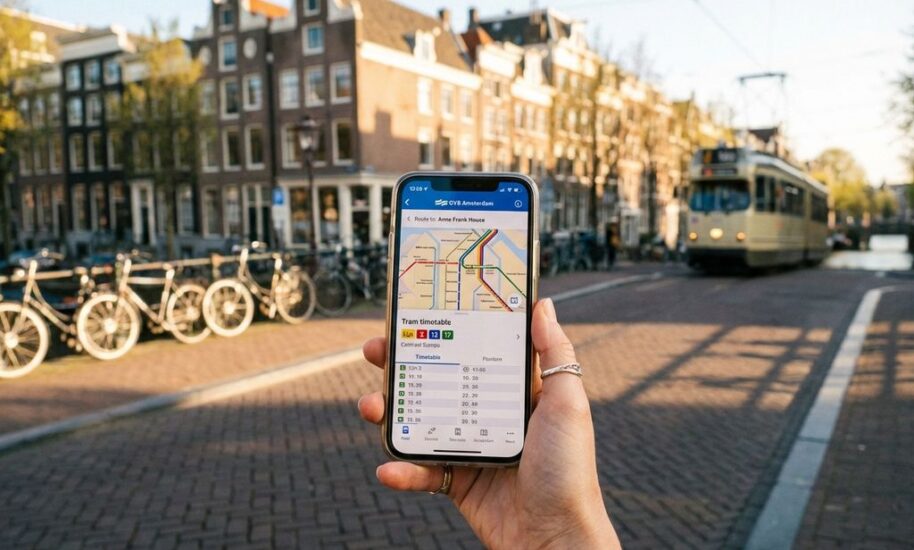
The most reliable transport app for Amsterdam tourists is 9292, which provides the most accurate real-time information for all public transport in the Netherlands. GVB is excellent for trams and metros within Amsterdam city limits, while Google Maps offers the best overall navigation by combining public transport with walking directions. Each app serves different tourist needs, from detailed local transport to comprehensive city navigation.
What are the main transport apps available for Amsterdam tourists?
Amsterdam tourists have four primary transport apps to choose from: GVB (the official Amsterdam public transport app), 9292 (the Netherlands’ national transport app), Citymapper, and Google Maps. Each serves different purposes depending on your travel needs and preferences.
The GVB app focuses specifically on Amsterdam’s local transport network, including trams, buses, and the metro. It provides route planning, real-time departures, and service updates for the city’s transport system. This makes it particularly useful for tourists staying within Amsterdam’s central areas and popular neighbourhoods.
9292 covers all public transport across the Netherlands, making it invaluable for tourists planning day trips to nearby cities or using intercity trains. The app integrates buses, trams, trains, and ferries into comprehensive journey planning. For those exploring beyond Amsterdam’s city centre, 9292 becomes essential for navigating the broader Dutch transport network.
Citymapper offers a modern interface with detailed walking directions and multiple route options. Google Maps provides the most comprehensive navigation solution, combining public transport with walking, cycling, and driving directions. Both apps excel at helping tourists understand their surroundings and find alternative routes when needed.
Which Amsterdam transport app offers the most accurate real-time information?
9292 receives the most accurate real-time data because it connects directly to the national transport database that all Dutch transport operators use. GVB provides equally accurate information for Amsterdam-specific services, while third-party apps like Citymapper and Google Maps may have slight delays in updates.
The accuracy advantage of 9292 stems from its direct integration with the transport operators’ systems. When a tram is delayed or a service is cancelled, this information flows immediately into 9292’s database. During peak tourist seasons and service disruptions, this real-time accuracy becomes crucial for making quick travel decisions.
GVB matches this accuracy level for Amsterdam’s local transport network because it is the official operator app. However, its coverage is limited to GVB services only. If your journey involves NS trains or regional buses, GVB cannot provide the same level of real-time information.
Google Maps and Citymapper typically receive updates within 2–5 minutes of the official sources, which is still quite reliable for most tourist purposes. The slight delay rarely affects journey planning, but during major disruptions or events, the official apps (9292 and GVB) provide faster updates and alternative suggestions.
How do Amsterdam transport apps handle tourist-specific needs?
Most Amsterdam transport apps offer full English-language support and tourist-friendly features like offline maps, attraction integration, and simplified interfaces. 9292 and Google Maps excel at connecting tourist destinations, while GVB provides the clearest information about ticket types and pricing for visitors.
Language support is comprehensive across all major apps, with English interfaces that include explanations of transport terminology. This helps tourists understand the difference between various ticket types, transport zones, and service announcements. The apps also provide English notifications for service disruptions or route changes.
Tourist-attraction integration varies significantly between apps. Google Maps excels at combining transport directions with nearby restaurants, museums, and points of interest. Citymapper provides excellent walking directions from transport stops to specific attractions, often including multiple route options and estimated walking times.
Offline functionality becomes essential when exploring Amsterdam’s various neighbourhoods without reliable internet. 9292 allows users to download route information for offline viewing, while Google Maps enables offline map downloads for specific areas. This feature proves invaluable when navigating the charming streets of Jordaan or exploring the cultural attractions around Museumplein.
The apps also handle tourist-specific challenges like luggage-friendly routes and accessibility information. They can suggest lifts instead of stairs and indicate which trams have low floors for easy boarding with suitcases.
What’s the difference between free and paid transport app features in Amsterdam?
All essential transport features are completely free across Amsterdam’s main transport apps. GVB, 9292, and Google Maps provide full functionality without subscription fees. Only Citymapper offers premium features, but these are not necessary for typical tourist needs in Amsterdam.
The free versions of GVB and 9292 include everything tourists need: real-time departures, route planning, service alerts, offline maps, and journey history. These apps generate revenue through partnerships with transport operators rather than user subscriptions, ensuring tourists get comprehensive functionality without additional costs.
Citymapper’s premium subscription offers features like smart departure alerts, journey export options, and enhanced customisation. However, these advanced features primarily benefit daily commuters rather than tourists visiting Amsterdam for a few days. The free version provides excellent route planning and real-time information that satisfies most visitor requirements.
Google Maps remains entirely free for transport planning, though it monetises through location-based advertising and business listings. This model actually benefits tourists, as they receive restaurant recommendations and attraction information alongside transport directions.
For tourists exploring Amsterdam’s historic centre and canal ring, the free versions of these apps provide everything needed for confident navigation. The money saved on app subscriptions can be better spent on experiencing Amsterdam’s cultural attractions or joining guided tours that offer local insights and historical context about the city’s fascinating neighbourhoods and landmarks.

