


 Wish list
Which art galleries are worth seeing in Amsterdam?
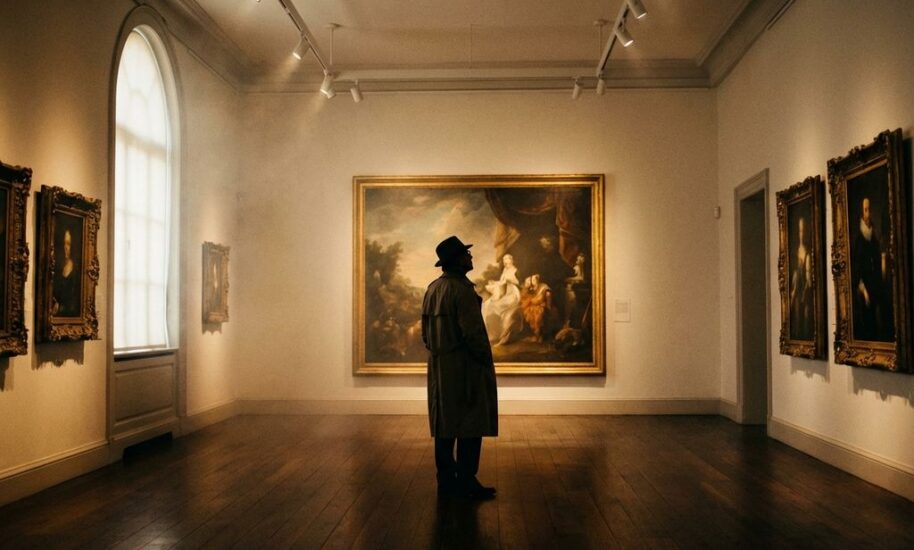
Amsterdam’s art scene offers an exceptional blend of world-renowned museums housing masterpieces from the Dutch Golden Age alongside cutting-edge contemporary galleries showcasing emerging talent. The city features must-see institutions like the Rijksmuseum and Van Gogh Museum, plus vibrant independent spaces throughout historic canal districts, making it one of Europe’s premier art destinations.
What makes Amsterdam’s art scene so special for visitors?
Amsterdam uniquely combines centuries of artistic heritage with a thriving contemporary scene, creating an unmatched cultural experience. The city’s Golden Age legacy lives alongside modern innovation, offering visitors everything from Rembrandt masterpieces to experimental installations within walking distance of one another.
The historic canal ring setting distinguishes Amsterdam from other European art capitals. Many galleries occupy beautifully preserved 17th-century merchant houses, creating intimate viewing experiences you won’t find in purpose-built modern museums. This architectural backdrop adds depth to every art encounter, whether you’re viewing classical paintings or contemporary sculptures.
Amsterdam’s compact size makes it exceptionally gallery-friendly. You can easily visit multiple world-class museums and independent galleries in a single day, moving seamlessly between different artistic periods and styles. The city’s bike-friendly infrastructure and excellent public transport mean you’ll spend more time appreciating art and less time traveling between venues.
The local art community remains refreshingly accessible. Many galleries welcome visitors for informal conversations about exhibitions, and you’ll often encounter artists themselves at openings and events. This approachable atmosphere makes Amsterdam’s art scene feel inclusive rather than intimidating, perfect for both seasoned collectors and casual enthusiasts exploring the many things to do Amsterdam has to offer.
Which world-famous museums should be your first priority?
The Rijksmuseum, Van Gogh Museum, and Stedelijk Museum form Amsterdam’s essential art triangle, each offering irreplaceable collections that define different aspects of artistic achievement. These three institutions provide comprehensive coverage from Dutch Golden Age masters to contemporary international movements.
The Rijksmuseum houses the world’s finest collection of Dutch Golden Age paintings, including Rembrandt’s “The Night Watch” and Vermeer’s intimate domestic scenes. Beyond paintings, you’ll discover decorative arts, historical artifacts, and beautiful Asian collections. The museum’s recent renovation created stunning galleries that perfectly complement the masterpieces within.
The Van Gogh Museum contains the largest collection of Vincent van Gogh’s works, tracing his artistic development from early dark paintings to the vibrant canvases created in France. The museum provides crucial context about his life and influences, making his artistic journey comprehensible and deeply moving. Temporary exhibitions often explore his relationships with contemporary artists.
The Stedelijk Museum focuses on modern and contemporary art from 1870 onwards. You’ll encounter works by Mondrian, Kandinsky, and Warhol alongside cutting-edge installations by current artists. The museum’s bold architecture reflects its forward-thinking approach, and rotating exhibitions ensure there’s always something new to discover.
Consider purchasing a Museumkaart if you’re planning multiple visits. This annual pass provides unlimited access to most Dutch museums and pays for itself after just three major museum visits, making it excellent value for art enthusiasts.
Where can you discover contemporary and emerging artists in Amsterdam?
Amsterdam’s contemporary art scene thrives in the Jordaan district, De Pijp neighborhood, and the emerging Noord area, where independent galleries, artist-run spaces, and creative collectives showcase experimental work by local and international emerging artists.
The Jordaan district hosts numerous small galleries tucked between vintage shops and cozy cafés. Galerie Fons Welters and Torch Gallery represent established contemporary artists, while smaller spaces like Galerie Bart focus on emerging talent. The area’s relaxed atmosphere makes gallery hopping feel natural and enjoyable.
Amsterdam Noord has become the city’s creative hub, with former industrial spaces transformed into artist studios and exhibition venues. NDSM Wharf hosts regular art events and open studio days where you can meet artists directly and see works in progress. The area feels authentically creative rather than commercially polished.
De Pijp offers a mix of established galleries and experimental spaces. Annet Gelink Gallery and Grimm Gallery show internationally recognized contemporary artists, while project spaces like W139 support more experimental and community-based art practices. The neighborhood’s multicultural character influences much of the art shown here.
Many galleries participate in Amsterdam Art Weekend, held twice yearly, when spaces stay open late and offer special exhibitions. This provides an excellent opportunity to experience the contemporary scene intensively while meeting artists, curators, and fellow art lovers in a festive atmosphere.
How do you plan the perfect art gallery route through Amsterdam?
Plan your art gallery route by clustering venues geographically and balancing major museums with smaller galleries, allowing two to three hours for large museums and 30–45 minutes for independent spaces. Start early to avoid crowds at popular museums and save energy for discovering hidden gems later.
Museum Quarter clustering works perfectly for major institutions. Visit the Rijksmuseum, Van Gogh Museum, and Stedelijk Museum on the same day since they’re within walking distance. Book timed-entry tickets in advance, especially for the Van Gogh Museum, to avoid disappointment and long queues.
Create themed routes that match your interests. Art history enthusiasts might combine the Rijksmuseum with the Amsterdam Museum and Museum Van Loon for comprehensive Dutch cultural context. Contemporary art lovers could focus on the Stedelijk Museum, then explore Noord’s experimental spaces and Jordaan galleries.
Consider practical factors when planning. Major museums are busiest between 11 a.m. and 3 p.m., so visit early in the morning or late in the afternoon when possible. Many independent galleries close on Mondays, while some only open Thursday through Sunday. Check opening hours and plan accordingly to avoid disappointment.
Allow time for breaks between venues. Amsterdam’s café culture provides perfect opportunities to process what you’ve seen while planning your next stops. Many galleries are located near excellent restaurants and cafés, making it easy to combine cultural exploration with culinary discoveries.
Use the excellent public transport system or rent a bike to move efficiently between districts. The city’s compact size means most art venues are easily accessible, and traveling between them becomes part of the Amsterdam experience. Walking through the historic center between galleries offers additional architectural and cultural discoveries.
Amsterdam’s art scene rewards both careful planning and spontaneous discovery. While the major museums require advance booking and dedicated time, the city’s wealth of independent galleries and creative spaces means you’ll always find something unexpected and inspiring around the next corner. Whether you’re drawn to Golden Age masters or contemporary experimentation, Amsterdam offers an art experience that combines world-class quality with genuine local character.

