


 Wish list
Which museums should you definitely visit in Amsterdam?
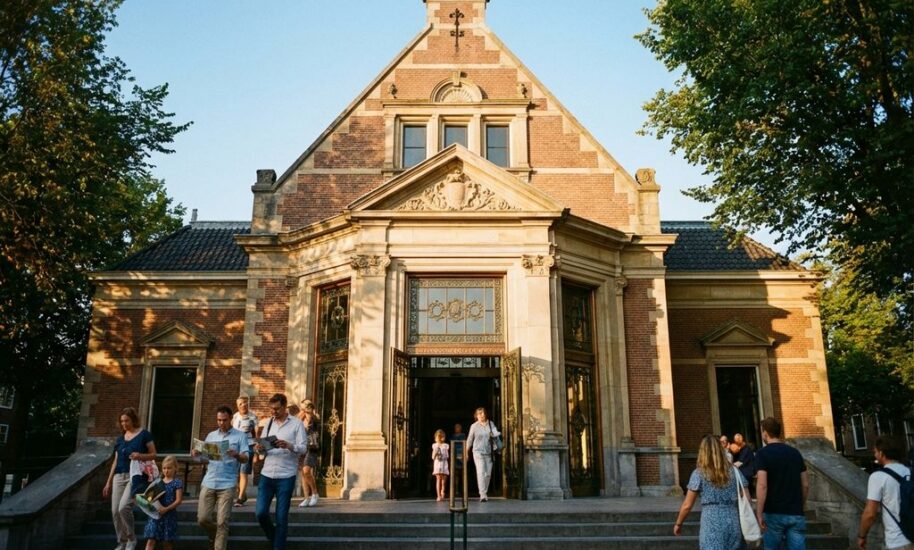
Amsterdam’s essential museums include the Rijksmuseum for Dutch art and history, the Van Gogh Museum for the world’s largest collection of his works, and the Anne Frank House for its powerful historical significance. These three museums form the cultural heart of Amsterdam and represent the city’s artistic heritage, creative legacy, and important role in world history. Each offers unique insights into different aspects of Dutch culture and global significance.
What are the absolute must-see museums in Amsterdam?
The Rijksmuseum, Van Gogh Museum, and Anne Frank House are Amsterdam’s three essential museums that every visitor should prioritise. These institutions showcase the city’s artistic mastery, cultural heritage, and historical importance on a global scale.
The Rijksmuseum stands as the Netherlands’ national museum, housing masterpieces by Rembrandt, Vermeer, and other Dutch Golden Age masters. Its collection spans 800 years of Dutch art and history, including the famous “Night Watch” painting and exquisite Delft blue ceramics. The museum’s stunning architecture and comprehensive galleries make it perfect for understanding Amsterdam’s cultural foundation.
The Van Gogh Museum contains the world’s largest collection of Vincent van Gogh’s paintings, drawings, and letters. You’ll see iconic works like “Sunflowers” and “The Bedroom” while learning about the artist’s troubled life and revolutionary techniques. The museum also features works by his contemporaries, providing context for his artistic development.
The Anne Frank House preserves the secret annex where Anne Frank wrote her famous diary during World War II. This deeply moving experience offers insight into Amsterdam’s wartime history and the human impact of the Holocaust. The museum maintains the original hiding place and displays personal artefacts that bring Anne’s story to life.
The Stedelijk Museum rounds out Amsterdam’s museum quartet with its outstanding collection of modern and contemporary art. It features works by Picasso, Warhol, and Dutch design masters, making it essential for contemporary art enthusiasts exploring things to do in Amsterdam.
How do you skip the long lines at Amsterdam’s most popular museums?
Book tickets online in advance and visit during early morning hours or late afternoon to avoid the longest queues. Peak times occur between 11am and 3pm, especially during the summer months and school holidays when crowds are heaviest.
The most effective strategy is purchasing timed-entry tickets directly from museum websites. This guarantees your entry slot and eliminates waiting in ticket lines. Many museums offer mobile tickets that you can show on your phone, speeding up the entry process considerably.
Consider the I amsterdam City Card or Museumkaart for multiple museum visits. These passes provide skip-the-line access at many institutions and often include additional benefits like free public transport. The cards pay for themselves when visiting three or more museums.
Visit museums during off-peak hours for the best experience. Early morning slots (9–10am) and late afternoon times (after 4pm) typically have shorter queues and less crowded galleries. Weekday visits generally offer better conditions than weekends.
Seasonal timing matters significantly. The summer months (June–August) and Dutch school holidays create the busiest periods. Spring and autumn offer more manageable crowds while still providing pleasant weather for combining museum visits with other things to do in Amsterdam.
Some museums offer special evening openings or early-access tours that provide exclusive experiences with minimal crowds. These premium options often include guided tours or special exhibitions that enhance your visit beyond standard entry.
What’s the difference between Amsterdam’s art museums and which should you choose?
The Rijksmuseum focuses on classical Dutch masters and historical artefacts, the Van Gogh Museum specialises in post-impressionist art, and the Stedelijk Museum showcases modern and contemporary works. Your choice depends on whether you prefer historical art, specific artists, or contemporary creativity.
The Rijksmuseum serves as Amsterdam’s comprehensive art and history museum. It houses the world’s finest collection of Dutch Golden Age paintings, including works by Rembrandt, Vermeer, and Frans Hals. The museum also displays decorative arts, historical artefacts, and Asian art collections. Plan 3–4 hours for a thorough visit, as the collection spans multiple floors and centuries.
The Van Gogh Museum offers an intimate journey through one artist’s revolutionary career. Beyond Van Gogh’s paintings, you’ll discover his drawings, letters, and personal story. The museum also features works by his contemporaries like Gauguin and Toulouse-Lautrec. This focused approach makes it perfect for visitors wanting deep insight into post-impressionist art and Van Gogh’s influence on modern painting.
The Stedelijk Museum caters to contemporary art enthusiasts with its cutting-edge exhibitions and design collections. It features works from 1870 to the present day, including pieces by Mondrian, Picasso, and Warhol. The museum also showcases Dutch design, photography, and video art. Its rotating exhibitions ensure fresh experiences for repeat visitors.
For first-time visitors with limited time, the Rijksmuseum provides the broadest cultural overview. Art lovers should prioritise the Van Gogh Museum for its unique collection. Contemporary art enthusiasts will find the Stedelijk Museum most engaging. Many visitors combine two museums in one day, particularly the closely located Rijksmuseum and Van Gogh Museum.
Which lesser-known Amsterdam museums offer the best hidden gem experiences?
The Museum Willet-Holthuysen, Rembrandt House Museum, and Amsterdam Museum provide intimate experiences away from tourist crowds. These smaller institutions offer detailed insights into Amsterdam’s daily life, artistic heritage, and urban development that larger museums cannot match.
The Museum Willet-Holthuysen presents life in a 17th-century canal house with original furnishings, art collections, and period rooms. Located on the elegant Herengracht, this museum shows how wealthy Amsterdam merchants lived during the Golden Age. The preserved kitchen, garden, and private quarters create an authentic historical atmosphere.
The Rembrandt House Museum occupies the actual house where Rembrandt lived and worked for nearly 20 years. You’ll see his reconstructed studio, printing workshop, and living quarters filled with period furniture and art collections. Daily etching demonstrations show Rembrandt’s techniques, providing hands-on understanding of his artistic process.
The Amsterdam Museum tells the city’s complete story from medieval fishing village to modern metropolis. Interactive exhibits cover the Golden Age, colonial history, and contemporary developments. The museum’s location in a former orphanage adds historical context, and its DNA exhibition traces Amsterdam’s cultural evolution.
The Houseboat Museum offers a uniquely Amsterdam experience aboard an actual 1914 cargo ship converted into living space. This floating museum demonstrates how many locals live on the city’s famous houseboats, complete with authentic furnishings and explanations of houseboat regulations and lifestyle.
These hidden gems complement the major museums perfectly and represent excellent things to do in Amsterdam for visitors seeking authentic local experiences. They’re typically less crowded, more affordable, and provide personal perspectives on Amsterdam’s rich cultural heritage that you won’t find elsewhere.
Amsterdam’s museum landscape offers something for every interest and schedule. Whether you’re drawn to world-famous masterpieces or intimate historical settings, the city’s cultural institutions provide comprehensive insights into Dutch heritage and artistic achievement. Combining major museums with hidden gems creates a well-rounded cultural experience that captures Amsterdam’s unique character and enduring appeal.

