


 Wish list
Why do Amsterdam locals avoid certain tourist areas?
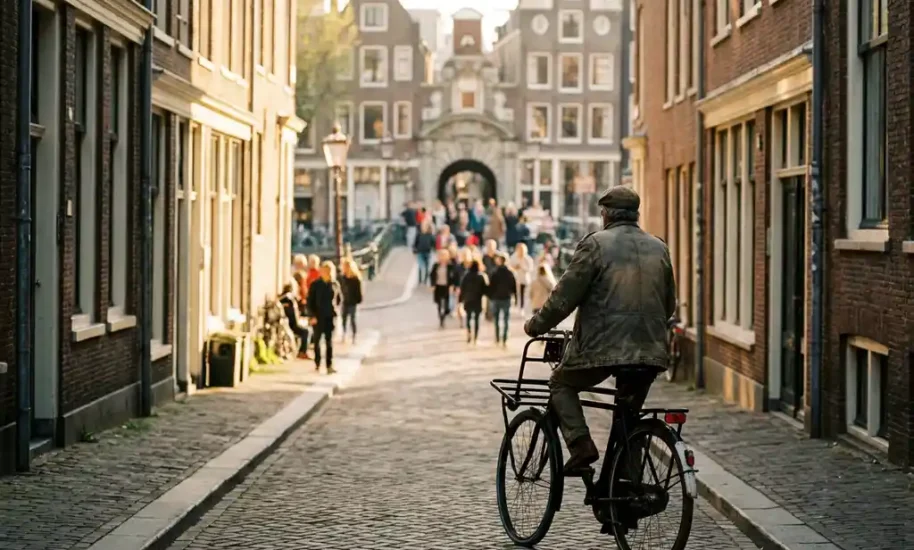
Amsterdam locals avoid certain tourist areas because these spaces become overcrowded, overpriced, and lose their authentic neighborhood character during peak tourism periods. Areas like Dam Square, the Red Light District, and parts of the Jordaan can become so congested with tour groups and souvenir shops that they’re no longer enjoyable for daily life.
The contrast between tourist Amsterdam and local Amsterdam is striking. While visitors flock to the same handful of attractions, residents have developed strategies to navigate around these hotspots and have discovered entirely different parts of the city where authentic Amsterdam culture thrives. Understanding this divide helps explain why certain neighborhoods feel like theme parks while others maintain their genuine Dutch character.
Which specific Amsterdam areas do locals actively skip?
Amsterdam locals consistently avoid Dam Square, the Red Light District during evening hours, Leidseplein, Rembrandtplein, and the tourist-heavy sections of the Jordaan neighborhood. These areas become virtually impassable during peak tourist seasons due to massive crowds and inflated prices.
Dam Square represents the epicenter of tourist activity, surrounded by souvenir shops, overpriced cafes, and constant tour groups. Locals rarely have reason to visit unless they work nearby or need to access the Royal Palace for official events. The square’s transformation from a historic gathering place to a tourist photo opportunity has made it feel foreign to many residents.
The Red Light District becomes particularly challenging for locals during weekend evenings when bachelor parties and curious tourists create bottlenecks on narrow streets. Many residents who live in the area time their errands for early morning hours or take alternative routes to avoid the chaos.
Leidseplein and Rembrandtplein, Amsterdam’s main nightlife squares, attract primarily international visitors seeking familiar chain restaurants and tourist-oriented entertainment. Locals prefer quieter neighborhood bars and authentic Dutch establishments scattered throughout residential areas.
Even parts of the beloved Jordaan have become difficult for residents to navigate, particularly the streets closest to Anne Frank House where queues of tourists create pedestrian traffic jams throughout the day.
What makes tourist areas unbearable for Amsterdam residents?
Tourist areas become unbearable for Amsterdam residents due to extreme overcrowding, noise pollution, inflated prices, and the replacement of local businesses with souvenir shops and chain restaurants. The sheer volume of visitors fundamentally changes the character and usability of these neighborhoods.
Overcrowding creates practical problems for residents trying to navigate their daily routines. Simple tasks like grocery shopping, cycling to work, or meeting friends become complicated when streets are packed with slow-moving tourists stopping for photos. The narrow medieval streets weren’t designed for the current volume of foot traffic, creating bottlenecks that can take 20 minutes to walk through areas that should take five.
Noise levels in tourist areas have increased dramatically, with large tour groups, street performers, and late-night party crowds disrupting residential peace. Many locals report difficulty sleeping or enjoying their homes due to constant chatter and activity outside their windows.
The economic transformation hits residents particularly hard. Local bakeries, hardware stores, and neighborhood cafes have been replaced by souvenir shops selling mass-produced trinkets and restaurants with inflated prices targeting tourists. This forces residents to travel further for basic necessities and eliminates gathering places where communities naturally formed.
The cultural shift may be most significant of all. Areas that once reflected authentic Amsterdam life now feel like outdoor museums designed for visitors rather than living neighborhoods where people build relationships and maintain traditions.
How do locals navigate around tourist hotspots?
Amsterdam locals navigate around tourist hotspots by using alternative routes, timing their activities for off-peak hours, and relying on bicycles to move quickly through less crowded parallel streets. Most residents have developed detailed mental maps of tourist-free pathways through the city.
Bicycle routes become particularly important for local navigation. While tourists typically walk along main canals and central streets, residents use the extensive network of smaller canals and residential streets that run parallel to major attractions. These routes often prove faster and more pleasant than dealing with pedestrian crowds.
Timing plays a huge role in local movement patterns. Many Amsterdam residents schedule errands for early morning hours before tour groups arrive, or late afternoon after day-trip visitors have departed. Weekend mornings offer particularly peaceful windows for accessing central areas that become chaotic later in the day.
Public transportation provides another avoidance strategy. Locals often take trams or buses to bypass walking through tourist zones entirely, even for relatively short distances. The GVB public transport system allows residents to move efficiently around the city without entering crowded pedestrian areas.
Digital tools help locals plan routes that avoid tourist concentrations. Many residents check crowd-tracking apps or social media updates before heading into central Amsterdam, adjusting their plans based on current conditions in popular areas.
Where do Amsterdam locals actually spend their time?
Amsterdam locals spend their time in residential neighborhoods like Amsterdam Noord, Oud-West, De Pijp’s quieter sections, and the Oosterpark area, where authentic cafes, local markets, and community spaces maintain genuine Dutch neighborhood character. These areas offer the amenities residents need without tourist-oriented businesses.
Amsterdam Noord has become particularly popular with young locals and families. This former industrial area across the IJ river offers spacious parks, innovative restaurants, and cultural venues like EYE Film Museum without the crowds of central Amsterdam. The free ferry ride creates a natural barrier that keeps casual tourists away while providing residents with easy access to a more relaxed environment.
Oud-West attracts locals with its mix of authentic brown cafes, independent shops, and Vondelpark access. The neighborhood maintains traditional Amsterdam character while offering modern amenities. Residents appreciate being able to cycle to central areas when needed while living somewhere that feels genuinely Dutch.
The eastern sections of De Pijp, away from the touristy Albert Cuyp Market area, provide locals with excellent restaurants, cozy bars, and the beautiful Sarphatipark. This area demonstrates how neighborhoods can maintain authentic character even when adjacent to popular tourist destinations.
Oosterpark and surrounding streets offer locals a perfect balance of urban amenities and green space. The area’s diverse population creates a vibrant community atmosphere with excellent international food options and regular cultural events that cater to residents rather than visitors. For those seeking to discover these hidden gems, our Amsterdam tips provide insider knowledge about these authentic local neighborhoods.
What’s the difference between tourist Amsterdam and local Amsterdam?
Tourist Amsterdam centers around a small historic core with major attractions, souvenir shops, and international chain restaurants, while local Amsterdam spreads across diverse residential neighborhoods with authentic Dutch businesses, community gathering spaces, and everyday amenities that serve residents’ daily needs.
The geographic scope differs dramatically between these two versions of the city. Tourist Amsterdam occupies roughly the area within the canal ring plus a few specific attractions like Anne Frank House and some museums. This represents less than 10% of the city’s total area but receives the vast majority of visitor attention.
Local Amsterdam encompasses dozens of distinct neighborhoods, each with its own character, local businesses, and community identity. Residents experience Amsterdam as a collection of village-like areas connected by excellent public transportation and cycling infrastructure.
The business landscape reveals the starkest contrast. Tourist areas feature souvenir shops, chain restaurants, and businesses designed for one-time purchases by visitors. Local neighborhoods support bakeries, butchers, independent cafes, and specialty shops that build relationships with regular customers over years.
Social dynamics also differ completely. Tourist Amsterdam involves brief interactions focused on transactions and photo opportunities. Local Amsterdam revolves around community relationships, regular gatherings at neighborhood cafes, and participation in local events and traditions that strengthen neighborhood bonds.
Understanding these differences helps explain why Amsterdam feels like two completely different cities depending on where you spend your time. Many visitors miss out on the authentic Amsterdam experience by staying within the tourist bubble, never discovering the incredible Amsterdam that locals know and love.
How Incredible Amsterdam helps with discovering authentic local neighborhoods
Incredible Amsterdam provides the perfect solution for travelers who want to experience the real Amsterdam that locals cherish, moving beyond overcrowded tourist hotspots to discover authentic neighborhood culture. Our approach focuses on:
- Expert local guides who live in residential neighborhoods and share insider knowledge about hidden gems
- Small group tours that access areas where large tourist groups cannot comfortably visit
- Authentic experiences in local cafes, markets, and community spaces that reflect genuine Dutch culture
- Flexible itineraries that avoid peak tourist hours and crowded central areas
- Personal recommendations for continuing your exploration of local Amsterdam independently
Ready to discover the Amsterdam that locals love? Contact us to plan your authentic Amsterdam adventure and experience the city beyond the tourist crowds.

